The essence of what to pay attention to after a skin care treatment is this: do not strain the skin, protect it from the sun, stay away from harsh products and follow the clinic’s instructions on when to wash your face. These rules change according to the type of treatment and your skin’s reaction. For this reason, the personal recommendation of the doctor or specialist who performed the procedure always comes before general information.
The first hours after a skin care treatment
In the first hours, the aim is not to strain the skin, which is starting to renew, with anything. After the procedure the skin may be sensitised, slightly red or tight.
- Do not touch, rub or scratch your face unnecessarily.
- Do not try a new product other than the moisturiser or repair product recommended to you.
- Stay away from hot environments, heavy sweating and treatments that warm the face.
- Keep in mind that feelings such as redness and tightness may occur in the first days but should gradually decrease.
When can you wash your face
When you can wash your face after a skin care treatment changes according to the procedure performed, and the person who performed it gives the most accurate time. The expected time after a simple cleansing treatment and after a more intensive medical procedure is not the same.
For this reason there is no single answer to the question “how many hours after a skin care treatment can I wash my face”. The general rule is this: wait until the stated time has passed, then wash your face with lukewarm water and a mild, soap-free cleanser. Do not rub with a towel; pat gently until dry. The reason for not washing the face for a while after the procedure is that the products applied to the skin continue to act, and to prevent the sensitised surface from being irritated by friction.
The same logic applies to bathing. Showering is mostly possible, but very hot water, steam, saunas and Turkish baths are avoided until the time the doctor allows. Take care not to hold the water directly on your face.
Which products should not be used
After professional skin care, products that peel, irritate or increase sensitivity should not be used for a while. Which products to leave out and until when is determined by the instruction given after the procedure.
- Mechanical exfoliators such as peels, scrubs and brushes
- Products containing acids (AHA, BHA, salicylic acid, etc.)
- Retinol and similar strong active ingredients
- Alcohol-based toners and perfumed creams
- Heavy, covering makeup products
If you want to know what to put on your face, follow as simple a routine as possible: a mild cleanser, a moisturiser and sunscreen. If your doctor has recommended a special repair cream, use it as recommended.
Going out in the sun and using sunscreen
After skin care, the sun can harm sensitised skin; for this reason it is important to avoid direct sun and use sunscreen. Newly renewed skin is more vulnerable to UV rays, and the sun can increase the risk of spots forming.
- Avoid long exposure to direct sun.
- When going out, apply the sunscreen your doctor finds suitable and reapply if necessary.
- Make use of physical protection such as a hat and sunglasses.
- Consider postponing tanning beds and intensive sunbathing plans for the period after the procedure.
Can you smoke after a skin care treatment
Since smoking can negatively affect the recovery of the skin, it makes sense to stay away from it as much as possible on the day of the procedure and in the following days. Smoking negatively affects blood flow and oxygen transport to the skin, which can slow the healing process and make the skin look dull.
How long you need to stay away may vary according to the treatment performed. Ask your doctor about this clearly before the procedure, and let them set a period specific to you.
How to manage purging and peeling
Skin purging can appear as temporary breakouts resulting from blockages under the skin rising to the surface after treatment, and it is an expected reaction in some people. Breakouts after skin care can occur especially in acne-prone skin or after treatments with active ingredients.
Peeling and scabbing can also be part of the skin’s renewal process. Pay attention to the following:
- Do not squeeze pimples or pick scabs; this increases the risk of scarring and infection.
- Do not pull off peeling areas with your hands; wait for them to fall off on their own.
- Use moisturiser and sunscreen regularly.
- Keep the routine simple instead of adding new products.
Do’s and don’ts after medical skin care
Because the treatment acts deeper in medical skin care, the rules in the following period are generally more careful, and you must proceed according to the doctor’s instructions. If you would like general information about medical skin care, you can take a look at this page; for the service itself, you can review the Izmir Medical Skin Care page.
What to do:
- Follow the given care instruction exactly
- Keep the skin moist and protected
- Use sunscreen regularly
- Do not skip follow-up appointments
What not to do:
- Apply harsh peels and scrubs
- Enter places such as saunas, Turkish baths and hot pools without permission
- Smoke and go out in intense sun
- Plan another skin procedure without consulting the doctor
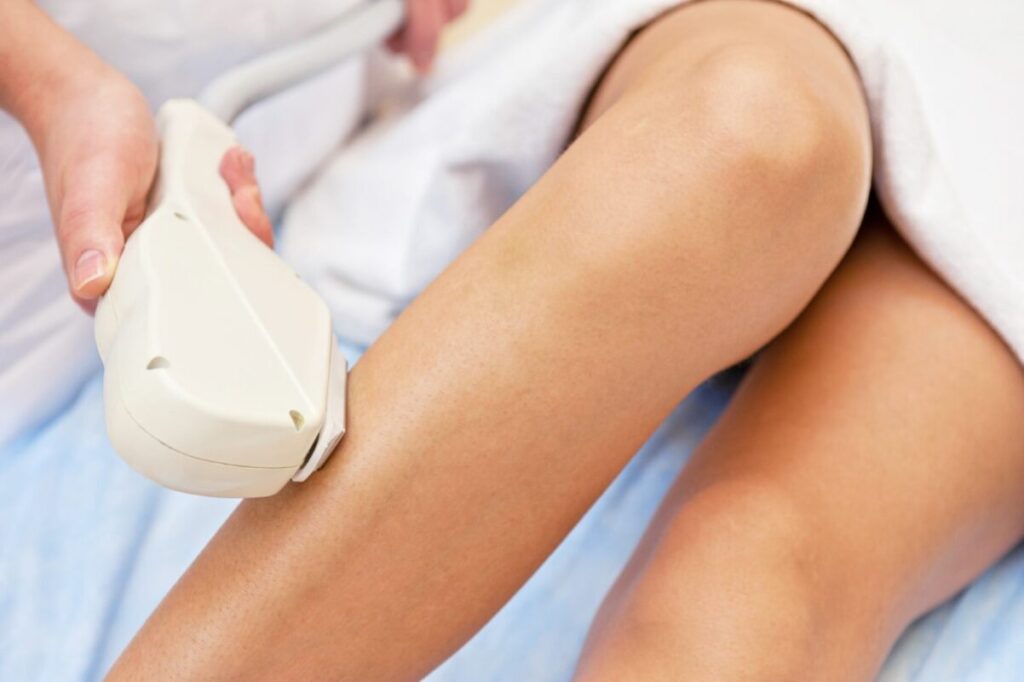
The same care is needed with lasers. Whether a laser can be done after skin care depends on the type of procedures and the time between them; plan the schedule together with your doctor. For care after laser hair removal, you can also look at our article what to pay attention to after laser hair removal.
When the clinic should be consulted
If symptoms are increasing instead of decreasing, or if they worry you, you should consult the clinic. Get in touch without waiting in the following cases:
- Redness or swelling that keeps increasing
- Marked pain, burning or a feeling of heat
- Blistering, a pus-like look or widespread scabbing
- Excessive itching or suspected allergy
- Breakouts and peeling lasting longer than expected
If you would like an evaluation for your personal situation, you can make an appointment.
Frequently asked questions
What should be paid attention to after a skin care treatment?
The basic rules are not rubbing the skin, staying away from harsh products and products with active ingredients, protecting yourself from the sun and following the clinic’s instruction on when to wash your face. It is also necessary to avoid smoking and hot environments for a while.
Can you smoke after a skin care treatment?
Since smoking can negatively affect the recovery of the skin, it is better to stay away from it as much as possible. You can ask the doctor who performed the procedure how long to wait.
When can I wash my face after a skin care treatment?
The time varies according to the procedure performed; the clinic tells you after which hour you can wash. Wait until then, and afterwards use lukewarm water and a mild cleanser.
Which products should I not use after professional skin care?
Do not use products that can irritate, such as peels, scrubs, acidic products, retinol, alcohol-based toners and heavy makeup, until the time the doctor allows. A simple moisturiser and sunscreen are mostly enough.
Does going out in the sun after skin care do harm?
Yes, sensitised skin is easily affected by the sun and the risk of spots may increase. Avoid direct sun, use sunscreen and make use of physical protection such as a hat.
Is skin purging normal after skin care?
In some people temporary breakouts can be an expected reaction. However, if there are symptoms such as severe redness, pain or blistering, it is necessary to consult the clinic.
Will there be peeling after skin care, and how should I manage it?
Depending on the treatment, mild peeling and scabbing may be seen. Do not pick the scabs, keep the skin moist and use sunscreen; if the situation worries you, consult your clinic.