
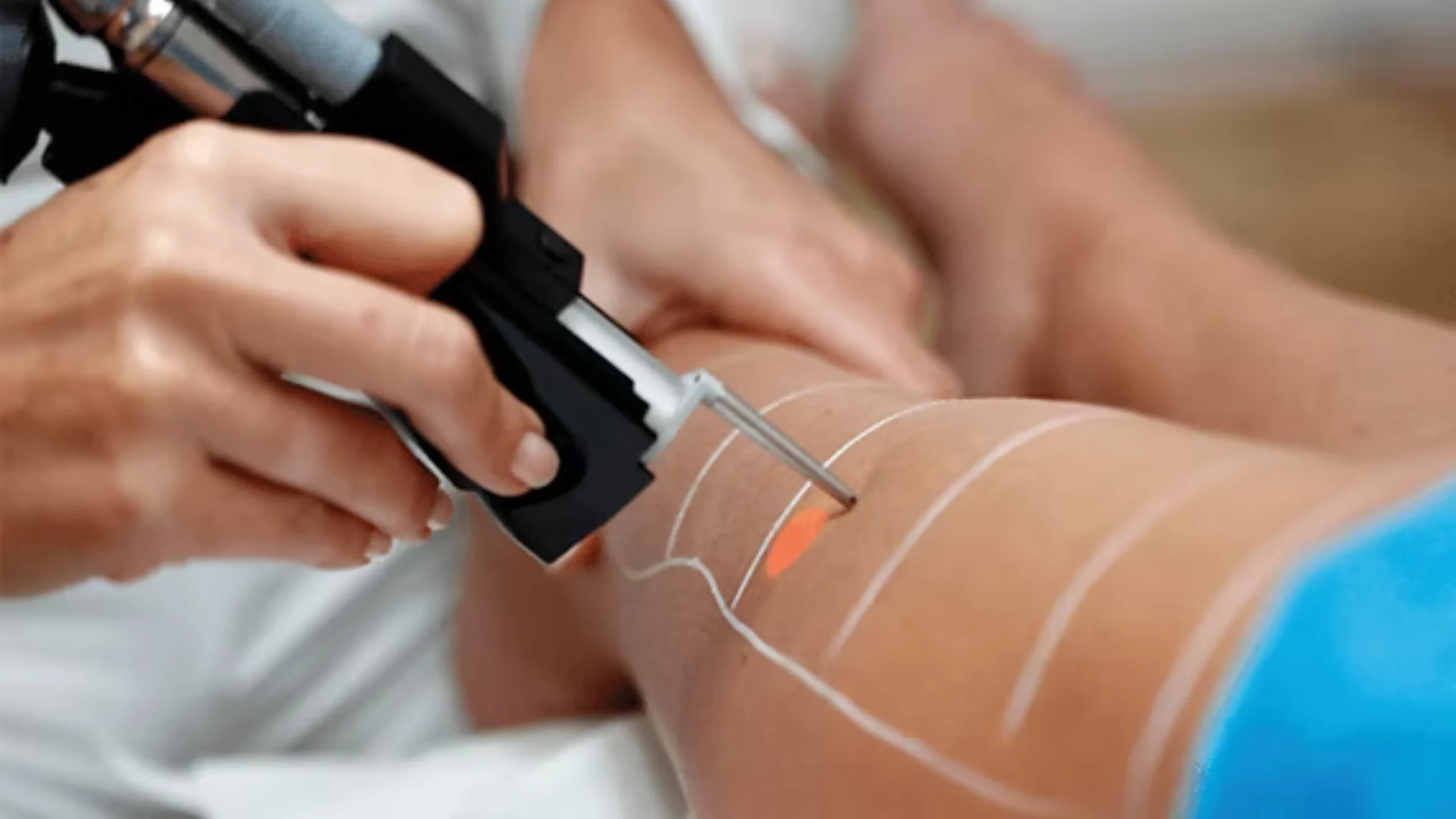
Alexandrite Laser Hair Removal
Alexandrite laser hair removal is a modern medical aesthetic hair-removal method that uses light energy at a wavelength of 755 nanometers to target the melanin pigment in the hair root, permanently destroying unwanted hair without damaging surrounding tissue. It shows high clinical efficacy especially in individuals with fair skin and dark hair, and offers a comfortable, fast procedure thanks to its integrated cooling systems.
What Is Alexandrite Laser Hair Removal?
Alexandrite laser hair removal is a medical procedure based on solid-state laser technology developed to permanently solve the problem of unwanted hair in the field of aesthetics and dermatology. It takes its name from the chrysoberyl crystal (Alexandrite) used as the laser source. The 755 nm wavelength light produced through this crystal sends destructive energy to the hair roots. This method, whose success in destroying hair follicles has been clinically proven worldwide, is known especially for the speed and practicality it provides on large body areas.
- 755 nm Light Spectrum: The wavelength most highly absorbed by the melanin pigment found in the hair root.
- Permanent Treatment: Eliminates the hair follicle’s capacity to regrow hair from the same root by disrupting the follicle’s matrix structure.
- Contact-Free Application Option: In some device types, it allows hygienic shots to be made using air-puff systems without direct contact with the skin.
How Does Alexandrite Laser Hair Removal Work?
The Alexandrite laser system’s operating principle is based on a wavelength-focused physical rule called “selective photothermolysis.” As the beams emitted from the laser device pass through the skin’s surface, they bypass the cells that give the skin its color and are absorbed directly by the melanin (coloring matter) pigment concentrated in the hair shaft and root. This absorbed, intense light energy converts into very high heat energy at the hair root within milliseconds. This sudden thermal damage permanently coagulates (burns) the vascular connections that nourish the hair and the root cell matrix, rendering them non-functional.
- Melanin Targeting: The beam’s focus solely on the dark-colored hair root ensures the surrounding tissue is protected.
- Heat Conduction: Heat traveling from the hair shaft toward the root destroys the follicle’s hair-production center.
- Hair “Popping”: The sudden rise in heat in the hair shaft at the moment of the shot causes the hair to separate from the root and shoot out to the surface as it burns.
Which Areas Is Alexandrite Laser Hair Removal Applied To?
Alexandrite laser hair removal has a flexible technology that, by its nature, can be safely applied to almost every anatomical area of the body. However, the areas where the system performs best are those where the hair structure is relatively thick and dark-colored. In areas with very fine, hormonally influenced hair, such as the face, great care must be taken due to the risk of “paradoxical hypertrichosis” (hair being triggered to thicken), and alternative wavelengths should be selected if necessary.
The main areas where the system is most frequently and successfully applied are as follows:
- Lower and Upper Leg Area: Thanks to its large surface area, this is the area that benefits most from the system’s high shot-speed advantage.
- Underarms and Genital Area: The dark, thick nature of the hair here allows the energy to be absorbed by the follicle to the maximum degree.
- Back, Chest, and Shoulders: Primarily preferred for clearing deeply rooted thick hair, especially in male patients.
- Arms and Bikini Line: Applied comfortably on sensitive lines where aesthetic smoothness is sought and hair density is high.
Who Is Alexandrite Laser Hair Removal Suitable For?
This medical hair-removal method is suitable for any man or woman who has completed puberty, whose hormonal development has entered a stable phase, and whose hair in the area to be treated is dark-colored. Since the system relies on the contrast between fair skin tone and dark hair color, individuals with Type I, Type II, and Type III skin structures on the Fitzpatrick skin scale are the most ideal candidates for this procedure. It can be safely applied to the entire population except those who are pregnant, those with an active skin infection, or those using medications that create light sensitivity.
- Fair-Skinned Individuals: Since the amount of melanin on the skin’s surface is low, laser energy is delivered directly to the root without burning the skin.
- Those with Dark-Colored Hair: Root destruction occurs at a maximum level in people with black or brown hair.
- Those Wanting Fast Results: Highly suitable for individuals who want to see hair shedding with the naked eye as early as the first session.
Which Skin and Hair Types Is Alexandrite Laser Hair Removal Effective On?
The clinical success of the Alexandrite laser depends directly on the degree of contrast between skin color and hair color. Due to the physical properties of the wavelength, the beams detect and destroy dark black, coarse hair on white skin within seconds. In individuals with very dark skin (dark brown/black complexions), because melanin density in the skin is higher, the beam may be absorbed by the upper layer of the skin instead of the hair root, leading to a risk of burns. Similarly, since blonde, white, red, or gray hair lacks melanin pigment, this system cannot have an effect on these hair types.
| Fitzpatrick Skin Type | Hair Structure and Color | Expected Clinical Efficacy Level |
|---|---|---|
| Type I – II (Very Fair / White Skin) | Coarse, Black, or Dark Brown | Maximum Efficacy (80% – 90% Permanent Reduction) |
| Type III – IV (Wheat / Light Brown Skin) | Dark-Colored, Thick Hair | High Efficacy (Successful Results with Controlled Dose Adjustment) |
| Type V – VI (Very Dark / Brown Skin) | All Hair Types | Low Efficacy (Not Recommended Due to Burn Risk) |
| All Skin Types | Blonde, White, Red, Vellus (Peach Fuzz) | Ineffective (Does Not Absorb the Beam Due to Insufficient Pigment) |
Why Is Skin Analysis Important Before Alexandrite Laser Hair Removal?
A detailed skin and hair analysis performed by a specialist clinician before the procedure is the most vital step determining both the safety and overall success of the hair-removal process. During the skin analysis, the patient’s exact phototype is determined, and the depth of the hair roots and the effect of hormonal status on the hair are examined. Thanks to this analysis, the amount of energy to be used in the laser device (Joules/cm²) and the shot duration in milliseconds are adjusted with millimetric precision. Randomly chosen high doses, without proper analysis, lead to permanent burns and spots on the skin, while low doses trigger the hair more rather than eliminating it.
- Dose Optimization: Precisely determining the maximum yet safest energy level the skin can tolerate.
- Side-Effect Prevention: Eliminating the risks of hypopigmentation (white spots) or hyperpigmentation (dark spots) that may occur after the procedure.
- Correct Device Selection: If the hair structure is not suitable for the Alexandrite wavelength, directing the patient to Diode or Nd:YAG systems without wasting time.
What Should Be Paid Attention to Before Alexandrite Laser Hair Removal?
There are certain medical rules the patient must follow before the procedure in order to have a successful session and prevent the skin from showing excessive sensitivity to the laser beam. Since the laser targets the root, no mechanical hair-removal method that removes the root should be used in the period before the session. In addition, the upper layer of the skin not being stimulated by sun or tanning beds is a requirement for the safety of the procedure.
The main points to pay attention to before coming to the session are as follows:
- Procedures that pull hair out from the root, such as waxing, tweezing, epilators, or threading, must absolutely be stopped at least 3-4 weeks in advance.
- Sunbathing, tanning beds, and self-tanning creams should be avoided for at least 1 month before the procedure.
How Is an Alexandrite Laser Hair Removal Session Performed?
An Alexandrite laser hair removal session is carried out with structured steps that prioritize clinical hygiene and patient comfort. The area to be treated is first cleaned, freed from makeup residue or cosmetic creams. Both the practitioner and the patient wear special protective goggles to prevent the laser beams from damaging the retina of the eye. The device head is held at a certain distance from the skin’s surface and rapid scanning shots are made; a slight smell of singed hair at the moment of the shot, indicating that the hair roots are burning, is a natural and expected sign of the process.
- Local Preparation: It is checked that the hair in the application area has been shortened with a razor before the session.
- Shooting Process: Thanks to the device’s large spot (shot area) size, dozens of hair roots are scanned simultaneously with a single shot.
- Moisturizing: At the end of the session, the procedure is completed by applying barrier-repairing medical creams that will soothe the skin.
How Many Sessions of Alexandrite Laser Hair Removal Are Needed?
Hair follicles in the human body exist in three different growth stages (Anagen – growth, Catagen – regression, Telogen – resting); laser beams have a destructive effect only on hair that is in the actively growing “Anagen” phase. In each session, an average of 15% to 20% of hair roots can be caught in this phase. For this biological reason, it is essential that the process be repeated over multiple sessions to achieve a permanent result. Although it varies depending on the body area and the person’s hormonal structure, the average number of sessions needed for a satisfactory result falls within a certain range.
| Treatment Area | Average Number of Sessions | Waiting Period Between Sessions |
|---|---|---|
| Body Areas (Legs, Underarms, Genital) | 6 – 8 Sessions | 6 – 8 Weeks |
| Back and Chest Area (Male Patients) | 8 – 10 Sessions | 6 – 8 Weeks |
| Hormonally Sensitive Areas (Face, Linea Alba) | 8 – 12 Sessions | 4 – 6 Weeks |
How Long Does an Alexandrite Laser Hair Removal Procedure Take?
One of the greatest clinical advantages of Alexandrite laser technology is its high scanning speed and large shot (spot) diameter. The device can fire more than one shot per second and can scan an area of approximately 18-24 mm in diameter with each shot. This radically shortens hair-removal times, especially for large areas such as the entire legs, back, or full body. For individuals with time constraints who are seeking a comfortable medical aesthetic process, the Alexandrite system is one of the most practical solutions.
- Small Areas (Underarms, upper lip, etc.): Completed in a very short time, approximately 2 to 5 minutes.
- Large Areas (Full legs, full back): Comfortably finished in an average of 20 to 30 minutes.
- Full-Body Protocol: All body areas can be scanned in a total of 45-60 minutes.
How Does the Cooling System Work in Alexandrite Laser Hair Removal?
To prevent the high heat generated at the hair root during the laser shot from damaging the skin’s surface (epidermis) and to minimize the pain the patient feels, devices use advanced integrated cooling systems. Alexandrite lasers typically use gas-based cryogen cooling (DCD) or external cooling-tip systems that continuously blow cold air. This technology freezes the upper skin by spraying sub-zero cold air/gas onto the skin right before or simultaneously with the laser beam; this way, the damage remains confined to the hair root in the lower layer.
- Epidermal Protection: Prevents the skin’s upper layer from overheating, reducing heat-induced spotting and burns to zero.
- Anesthetic Effect: Because the intense cold temporarily numbs nerve endings, the procedure is perceived as almost entirely painless.
- Continuous Comfort: The uninterrupted airflow throughout the session lowers the skin’s irritation coefficient.
What Should Be Paid Attention to After Alexandrite Laser Hair Removal?
The first 24-48 hours after the session end is a critical phase in which the skin tries to protect itself against external stimuli and is sensitive. Due to the thermal damage delivered to the hair roots, the pores are open and prone to infection. For this reason, meticulously protecting the treated areas from excessive heat, chemicals, and mechanical friction is a medical requirement for the skin to heal smoothly.
The rules to follow at home after the procedure are as follows:
- Hot water should not touch the treated areas for the first 24 hours; no bathing or showering should be done.
- Sauna, Turkish bath, tanning beds, pools, the sea, and heavy sports activities that cause excessive sweating should be avoided for at least 1 week.
- Harsh exfoliating gloves, peeling procedures, or alcohol-containing perfumed cosmetic products that could irritate the skin should not be used.
Is Redness Normal After Alexandrite Laser Hair Removal?
Immediately after an Alexandrite laser session, mild to moderate redness (erythema) on the skin’s surface and small, insect-bite-like swellings around the hair roots (perifollicular edema) are completely normal, temporary, and even a clinical reaction indicating that the procedure has achieved its goal. This picture is proof that the hair root has been successfully destroyed by the laser energy and that a local inflammation process has begun there. Depending on the skin’s sensitivity level, this redness generally fades away entirely on its own within a few hours, or at the latest within 24-48 hours in very sensitive skin.
- Clinical Normalcy: Not a burn to be feared, but a physiological indicator of successful damage delivered at the follicular level.
- Soothing Process: Ice application or aloe-vera-containing gels can be applied to the area after the session to speed the fading of redness.
- Prolonged Cases: If the redness lasts longer than 3 days or turns into blistering or crusting, the treating physician should definitely be consulted.
Why Is Sun Protection Important After Alexandrite Laser Hair Removal?
After laser hair removal, the skin’s topmost protective layer becomes temporarily sensitive, and melanocyte (color-producing) cells become overly sensitive to external factors. Exposing the skin unprotected to the sun’s ultraviolet (UV) rays during this phase triggers melanocytes to secrete melanin uncontrollably. As a result, persistent sun spots called “Post-inflammatory Hyperpigmentation” may form on the skin, or conversely, white spots where the skin has lost color may appear. Sun protection is the most uncompromising stage of the process for spot-free skin quality.
- Sun-Spot Risk: UV rays can create permanent brown pigmentation spots in the fresh tissue stimulated by the laser.
- Broad-Spectrum Protection: Medical sunscreens with at least SPF 50 or higher and mineral filters should be preferred.
- Timing: Exposed areas such as the face and arms should be protected from the sun not only in summer, but even during the winter months.
When Are the Results of Alexandrite Laser Hair Removal Seen?
One of the aspects of Alexandrite laser technology that satisfies patients the most is that its results are much faster and more visible compared to other systems. Some of the hair burned during the session detaches from the root and sheds right away, that very minute. Hair whose root has burned but which remains beneath the skin begins to fall out entirely on its own, along with the skin’s natural renewal process, within an average of 2 to 3 weeks; at this stage, when pulled by hand, the hair comes out effortlessly, as if pulling hair out of butter. As regular sessions progress, hair-reduction success evolves into permanent smoothness.
- First 15 Days: The phase in which hairs appear to grow, surfacing, and then shed away when the skin is rubbed.
- After the 3rd Session: Visible thinning in hair density, thinning in hair thickness, and delayed regrowth periods begin.
- End of Protocol: Once the planned series of sessions is completed, a permanent, lifelong reduction of 80% to 90% in hair population is achieved.
What Are the Advantages of Alexandrite Laser Hair Removal?
Alexandrite laser systems are a powerful technology that has not lost its popularity in hair-removal applications at modern medical aesthetic clinics for many years. The advantages the system offers are not limited to application speed alone; they also make it the priority choice for patients in terms of session comfort, hygiene standards, and the permanence of the results obtained.
Its clinically established main advantages can be listed as follows:
- High Selectivity: Destroys only the hair follicle without damaging surrounding tissue and capillaries.
- Instant Shedding Effect: The speed at which hair clears from the surface after the session is much more pronounced than with other systems.
- Contact-Free and Hygienic: Reduces infection risk to zero thanks to mechanisms that shoot through air without direct skin contact.
- Ingrown Hair Treatment: Treats the problem of ingrown hairs growing beneath the skin from the very first sessions by drying out the root.
What Is the Difference Between Alexandrite Laser Hair Removal and Other Laser Hair Removal Methods?
Laser hair-removal technologies are basically distinguished from one another by the wavelength of light used (the depth to which the light travels in the tissue); each wavelength has a different clinical target and mechanism of action. While the Alexandrite laser directly targets the melanin pigment in the hair root at a 755 nm wavelength, the Diode laser at 810 nm focuses on more deeply situated roots, and the Nd:YAG laser at 1064 nm focuses on the vascular supply. The table below compares these three main systems used in medical aesthetic clinics with clear clinical parameters:
| Laser Technology | Light Wavelength | Target Mechanism | Skin and Hair Structure Most Effective On |
|---|---|---|---|
| Alexandrite Laser | 755 nm | Direct Melanin Pigment | Fair Skin – Dark, Coarse Hair (Fast Shedding) |
| Diode Laser | 810 nm | Hair Root and Surrounding Cells | Brown/Olive Skin – Fine Hair and Deeply Rooted Hair |
| Nd:YAG Laser | 1064 nm | Capillaries Feeding the Hair | Very Dark/Brown Skin Types – Deepest Hair Roots |
How Should Aftercare Be Done Following Alexandrite Laser Hair Removal?
Following a proper home-care moisturizing routine is essential for the skin to quickly regain its homeostasis (natural balance) after the session and for barrier integrity to be repaired. Since treated areas will tend toward dryness and flaking, medical ingredients that will intensely moisturize the skin should be used. Avoiding rough handling of the skin during the aftercare process will directly increase the comfort of the hair-removal experience.
- Barrier Repairers: Medical creams containing Centella asiatica, hamamelis virginiana (witch hazel), or panthenol should be applied generously twice a day.
- Natural Soothers: The skin’s heat load and sensitivity should be relieved with pure aloe vera gels free of alcohol and parabens.
- Gentle Cleansing: In the first few days, pH-balanced, gentle cleansing gels that do not dry out the skin should be preferred when washing the face or showering.
Is the Alexandrite Laser Hair Removal Procedure Safe?
Alexandrite laser hair removal is a medical procedure approved by the FDA (U.S. Food and Drug Administration) whose reliability and side-effect profile have been proven worldwide. Because laser beams produce non-ionizing (radiation-free) light energy, it is physically impossible for them to damage internal organs or trigger cancer; the light can only reach as far as the hair follicle just beneath the skin. The only rule for safety is that the procedure be carried out not in unlicensed, informal settings, but in expert clinical environments capable of correct dose adjustment.
- Contains No Radiation: The light spectrum is at a safe wavelength that will not cause cell mutation.
- Does Not Leave Permanent Damage: When operated with the correct parameters, there is no question of it affecting sweat glands or lymph nodes.
Frequently Asked Questions About Alexandrite Laser Hair Removal
Below are the most common practical concerns in the minds of people considering Alexandrite laser technology to get rid of unwanted hair, along with their straightforward, clear clinical answers:
Are Alexandrite laser hair removal sessions very painful?
The sensation felt during the procedure varies depending on the person’s pain threshold and hair density, but it is generally described as feeling like a rubber band snapping against the skin or a slight tingling sensation. Thanks to the powerful sub-zero cryogen or cold-air-blowing systems in the devices, this sense of pain remains at a minimum; sessions can be completed comfortably without the need for local anesthetic cream.
Does hair grow back years after it has been completely eliminated?
It is biologically impossible for hair roots that have been successfully destroyed following a completed protocol to produce hair again; the smoothness achieved is permanent. However, there are dormant stem cells present in the human body. During major endocrine changes such as pregnancy, menopause, or heavy hormonal medication use, these dormant roots can be triggered and produce a few scattered fine hairs; in this case, a single touch-up session per year is sufficient.
Is it dangerous to get Alexandrite laser hair removal during the summer months?
Since the Alexandrite laser is sensitive to melanin pigment in the skin, applying it to skin tanned by summer sun exposure is clinically not recommended at all, as it greatly increases the risk of spots and burns. However, if a person is completely protected from the sun during summer, keeps their skin tone at its original shade, and regularly uses a high-factor medical sunscreen after the session, they can safely continue their sessions without a break even during summer.
Does the Alexandrite laser eliminate fine vellus (peach fuzz) hair, or does it trigger it?
Fine, blondish vellus hairs on the face, upper arms, or back are not suitable targets for the Alexandrite wavelength. As the beam attempts to catch the small amount of melanin in these fine hairs, it cannot fully destroy the root; instead, it may increase blood flow there, waking dormant roots and causing the hair to thicken (become triggered). Diode or Q-Switched laser technologies are a much more correct choice for fine hair.
What should be used to shorten hair that grows out between sessions?
Procedures that pull the root out of place, such as waxing, tweezing, threading, or epilators, must absolutely not be used to remove hair that has grown out between sessions, because for the next session, the hair root that the laser will target needs to be present within the follicle. Only a surface razor or hair-trimming devices should be used to shorten hair throughout the process.
Who Are We? & About Özel Demiderm Polyclinic
Özel Demiderm Polyclinic is a licensed healthcare institution that combines its long-standing corporate experience in dermatology, laser technologies, and medical aesthetics with an internationally standard device fleet to provide reliable healthcare service to its patients. In its Alexandrite Laser Hair Removal protocols, carried out for the permanent, safe, and recurrence-free treatment of unwanted hair problems, it aims for the most optimal success outcomes by centering evidence-based medical principles and personalized dermatological hair analysis.
In all laser applications carried out under the roof of Demiderm Polyclinic, the principles of absolute hygiene, high patient safety, transparency, and honesty are operated with uncompromising commitment. In our clinical practices, original, FDA-approved Alexandrite laser systems with high cooling performance are calibrated with millimetric precision according to the patient’s Fitzpatrick phototype and hair morphology. Our goal is not to impose rote package programs on every patient, but to select the most correct wavelength (Alexandrite, Diode, or integrated systems) according to the person’s hair structure, achieving maximum session comfort and smooth results without harming the skin. If you want to permanently get rid of your ingrown hairs and persistent hair problems, and start your treatment process with scientific assurance in an expert polyclinic setting, you can confidently take your first step toward transformation by contacting the expert staff of Özel Demiderm Polyclinic for your detailed skin analysis.