
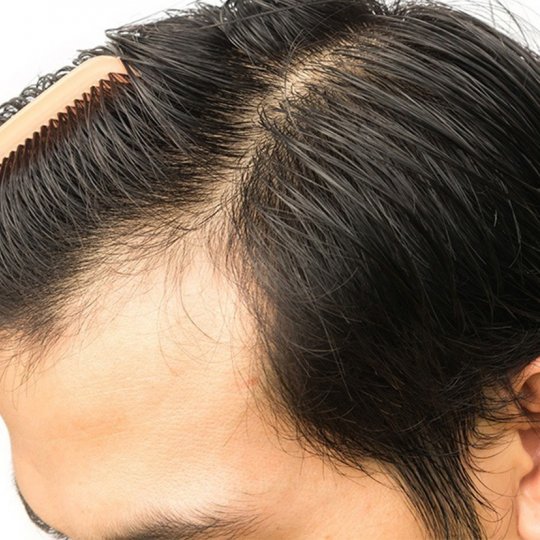
What is Exosome Therapy?
Exosome therapy is a biotechnological treatment method aimed at transferring extracellular vesicles (sacs), ranging in size between 30 and 150 nanometers, secreted into the extracellular environment during the cultivation of stem cells, into damaged tissue after purification. Exosomes are nano-structures that carry the therapeutic and regenerative properties of stem cells but do not contain a cell nucleus or DNA chain on their own. These sacs, enabling cells to communicate with each other, stimulate the aged or damaged cells in the target tissue, triggering them to synthesize protein and repair themselves again. Its difference from classical stem cell treatments is that it offers a sterile healing mechanism as if completely outside the risks of tissue rejection or uncontrolled tumor formation since it does not involve live cell transfer.
- Nano-Sized Carriers: Thanks to their ultra-small structures that can easily pass through cell membranes, they can penetrate into the deepest layers of the target tissue.
- Paracrine Signaling: They deliver repair instructions solely through the nervous system and biochemical stimuli without changing the genetic codes of the cells.
- Biological Extracellular Matrix: They reconstruct the microenvironment needed by the skin and hair follicles at a cellular level.
How is Exosome Application Performed?
Exosome application is a progressive procedure carried out with minimally invasive (non-surgical) techniques via medical tools determined according to the needs of the patient’s skin or hair structure in a clinical environment. Prior to the procedure, the area to be treated is thoroughly cleansed to be purified from sebum, makeup debris, and environmental dirt and numbed with topical local anesthetic creams. After the sterile exosome solution stored in a frozen chain is brought to room temperature and activated, it is delivered to the papillary dermis layer of the skin or the deep hypodermis plane where hair follicles are located via micro-needling (Dermapen/Dermaroller) devices or special blunt-tipped injection cannulas.
- Micro-Needling Integration: A method of homogeneously absorbing the exosome solution into the lower layers of the skin through thousands of micro-channels opened on the skin surface.
- Pinpoint Micro-Injection: A technique of leaving the product directly under the scalp or deep scars with very fine-tipped mesotherapy needles.
- Soothing Phase: Applying barrier-repairing cold compresses to soothe the sensation of heat developing due to injection stimulation after the procedure is finished.
For What Purposes is Exosome Therapy Preferred?
This high-technology regenerative process is preferred in cases where the natural self-renewal speed of the skin and hair follicles slows down, and structural damage cannot be resolved through traditional methods (classical mesotherapy or plasma applications). Aging, ultraviolet damage, and genetic shedding patterns cause the fibroblast and keratinocyte cells beneath the tissue to enter a metabolically lazy phase. Exosome therapy directly targets these cells and is selected as a clinical doping mechanism to rewind their biological ages, repair scars, erase spots, and extend the anagen (growth) phase of hair follicles.
- Deep Tissue Restoration: Repairing damaged connective tissue networks beneath acne scars, burn scars, and stretch marks radically,
- Cellular Illumination: Breaking the color pigmentation cycle of melasma and stubborn spots developing due to chronic sun damage,
- Hair Restoration: Halting shedding by nourishing the root structure of miniaturized (thinned) hair strands with growth factors.
Who is Exosome Therapy Suitable For?
Exosome therapy is suitable for any adult individual who is experiencing loss of elasticity in their skin, struggling with deep acne scars or spots, facing hair loss problems, and wishing to achieve a healthier tissue structure. Since the system does not involve live cell transfer or artificial filler substances, it exhibits an extremely high tissue biocompatibility across all skin phototypes and age groups (provided they are over 18 years old). However, individuals with an active history of cancer, those undergoing chemotherapy/radiotherapy, and people with open wounds or active infections in the application area are not suitable candidates for this procedure.
| Indication Area | Skin / Hair Condition | Clinical Suitability and Approach Parameter |
|---|---|---|
| Early and Advanced Aging Signs | Fine lines, loss of elasticity, sagging. | Fully suitable; provides dermal thickening through fibroblast activation. |
| Atrophic Scars (Acne Pits) | Ice-pick, boxcar, rolling type acne scars. | Fully suitable; smooths by filling damaged septae at a cellular level. |
| Chronic Spots and Tone Inconsistency | Melasma, sunspots, post-inflammatory erythema. | Fully suitable; homogenizes tone by suppressing melanocyte production. |
| Androgenetic Alopecia (Hair Loss) | Thinned, lifeless, weakened hair structures. | Fully suitable; cuts shedding by nourishing hair roots with vascular networks. |
To Which Areas Can Exosome Application Be Done?
The ultra-small molecular structure and high cellular diffusion capacity possessed by exosome solutions allow for working safely across all anatomical soft tissue regions of the body that develop dehydration, wear, scars, or shedding. Procedure parameters are calibrated at the moment of the session by the clinician according to the anatomical skin thickness and hair follicle depth of the area to be treated. This flexibility ensures that both the face and the neck or scalp are holistically healed within a single protocol.
- Facial Area (Full Face): For narrowing pores, repairing acne scars, and achieving an anti-aging effect,
- Neck and Décolleté Line: In softening transverse lines developing with age and recovering sagging,
- Scalp: In halting male and female pattern hair loss and stimulating new hair growth,
- Dorsum of the Hand Tissue: In eliminating wrinkles and age spots that appear with the thinning of the skin.
Why is Skin Analysis Important Before Exosome Therapy?
Each person’s skin thickness, cell renewal rate, moisture coefficient, and the size of the free radical damage they are exposed to present a unique pathological pattern; therefore, processes started without digital or clinical analysis are far from clinical efficiency. Pre-procedure analysis allows for determining how far beneath the dermis layer the scars descend and deciding through which transfer method (injection or micro-needling) exosomes will be delivered to the tissue. A correct analysis process optimizes session frequency by measuring the basal state of melanocyte cells in skin where spot treatment is planned, definitively preventing the risks of post-procedure temporary spot darkening.
- Cellular Barrier Measurement: Predicting the cell repair speed by measuring the skin’s moisture and lipid balance.
- Scar Morphology Detection: Determining the correct needle millimeters by drawing the depth map of acne scars.
- Security Screening: Checking whether there is an active viral (herpes, etc.) focus on the skin surface that could be overlooked.
How is the Exosome Therapy Process Planned?
The planning of the exosome treatment protocol is conducted over a progressive clinical calendar based on the degree of the patient’s current tissue damage, biological age, social life rhythm, and the moisture/protein deficit of their cells. In the planning process, the self-renewal period of the skin and hair follicles (cellular turnover period) is taken as a basis; correct resting periods that will ensure the nervous system and tissues remain regulated are placed between sessions. The table below features the structured development scheme of a standard exosome treatment cure:
| Treatment Phase | Session Period | Clinical Strategy and Cellular Purpose |
|---|---|---|
| Phase 1: Cellular Signaling (Initial) | 1st Session (Day 0) | Transfer of exosomes into the tissue, fibroblast stimulation, and acute moisture/radiance increase. |
| Phase 2: Tissue Remodeling | 2nd Session (Days 21 – 30) | Peak of Collagen Type I synthesis, elevation of the base of scars, and spot control. |
| Phase 3: Consolidation and Stabilization | 3rd Session (Day 60) | Moving the gained tissue elasticity to the permanent phase, stabilization of pores and follicles. |
Which Ingredients Are Found in the Exosome Content?
The power enabling exosomes to work like a cellular miracle in damaged tissues comes from the quality of the rich, synergistic, and biologically active components contained within the nano-vesicles. These ingredients are not artificially synthesized in a laboratory environment; they are natural elements produced by stem cells themselves. This rich cargo carried by extracellular vesicles functions as biological command files that directly ignite the protein synthesis mechanism (ribosomes) once entering the target cell.
The basic components forming the rich molecular cargo of exosomes are as follows:
- Growth Factors (TGF-B, VEGF, EGF): Core proteins that trigger new blood vessel formation, cell division, and epidermal tissue repair.
- Cytokines and Interleukins: Anti-inflammatory agents that soothe chronic inflammation in the tissue, calming the skin and hair roots.
- Micro RNA (miRNA) and Messenger RNA (mRNA): Genetic instructions that silence the aging genes of target cells and activate collagen-producing genes.
- Essential Amino Acids and Coenzymes: Building blocks used by cells as raw materials when weaving new protein chains and elastin.
How Does Exosome Application Support Skin Regeneration?
The aging and wearing process of the dermis is characterized by the disruption of intercellular communication and a radical slowdown in the rate of collagen production by fibroblasts. Exosome application supports skin regeneration by bringing the “paracrine signaling” mechanism into play from the moment it is transferred to the tissue. Nano-vesicles fuse with the membranes of target cells and empty their mRNA and growth factors inside the cell; this biological injection resets the cell’s aged metabolism, triggering it to synthesize protein at high speed and clean waste materials like a fresh cell.
- Intercellular Communication Bridge: Re-establishes broken connections between cells, ensuring the tissue moves holistically.
- Epidermal Turnover Acceleration: Facilitates the arrival of vital tissue from below by increasing the rate of shedding aged, spotted cells in the upper skin.
- Tissue Engineering Effect: Prolongs the lifespan of damaged cells by halting their programmed cell death (apoptosis).
Does Exosome Therapy Support Collagen Production?
Yes, exosome therapy maximizes and increases the synthesis of Collagen Type I and Collagen Type III, which are the primary protein structures responsible for the skin’s tautness and youthfulness, at the cellular level. Clinical research shows that exosome injections multiply the number of fibroblasts (collagen-producing cells) and their production capacity in the application area. This process is not about creating volume from the outside with an artificial filler substance; it is about building an organic dermal thickening by forcing the skin’s own collagen factory to work at maximum capacity again.
- Fibroblast Proliferation: Triggers the numerical multiplication and rejuvenation of collagen-producing cells.
- Matrix Structuring: Coordinates the weaving of newly produced collagen fibers into smooth and tight bonds.
- Permanent Firmness: Since the produced collagen is the skin’s own biological tissue, the tightness effect achieved is long-lasting.
How Does Exosome Application Contribute to Skin Elasticity?
The skin’s capacity to defy gravity, stretch, and return to its former form depends on the quality of the elastin fibers in the dermis layer; as we age, these fibers sag and break. Exosome application provides a permanent contribution to skin elasticity by directly activating the elastin gene (ELN) via the specific micro RNA chains it contains. When the moisture and protein quality of the extracellular matrix reaches its ideal, the holding power of elastin fibers to each other increases; this develops a distinct recovery and anti-sagging resistance across the face and jawline.
- Elastin Fiber Restoration: Repairing broken and non-functional elastin networks through cellular protein synthesis.
- Anti-Sagging Barrier: Giving the dermal layer an elastic resistance against the gravitational force pulling tissues downward.
- Tissue Flexibility: Establishing a flexible and moist tissue architecture that prevents the skin from drying and folding.
Is Exosome Therapy Used in Fine Lines and Wrinkles?
Yes, exosome therapy is successfully used particularly in shallowing the depth and smoothing of crow’s feet around the eyes, forehead lines, and perioral (around the mouth) vertical wrinkles. Wrinkles occur as a result of the thinning of the dermal layer and the collapse of collagen networks along folding lines. The intensive neocollagenesis (new collagen production) process stimulated by exosomes fills the spaces beneath wrinkle furrows with new and fresh tissue cells; the skin stretches and flattens, and that shaded, tired expression created by wrinkles is eliminated.
- Line Shallowing: Organic filling of contours collapsed due to dehydration and collagen loss from the inside out.
- Preservation of Natural Expression: Since it does not paralyze muscles, it fully preserves the unique mime and expression of the face.
- Superficial Smoothness: The optical appearance of fine lines is alleviated along with the acceleration of the epidermal cell cycle.
Is Exosome Therapy Effective in Spots and Tone Inconsistencies?
Yes, exosome therapy is extremely powerful and effective in eliminating stubborn sunspots, melasma, and post-inflammatory hyperpigmentation (spots) defects left behind after acne. A spot is born as a result of melanocyte cells producing excessive color pigment (melanin) due to ultraviolet rays or subcutaneous inflammation. Thanks to the anti-inflammatory cytokines and special micro RNA blockers they contain, exosomes calm and suppress the uncontrolled pigment secretion of melanocytes at a cellular level; this halts new spot formation while ensuring current spots fade quickly.
- Melanogenesis Inhibition: Blocking the activity of color-producing enzymes (tyrosinase) at a cellular level.
- Anti-Inflammatory Cell Repair: Soothing subcutaneous chronic micro-inflammation processes that trigger spots.
- Homogeneous Skin Clarity: As sessions progress cumulatively, brown shadows across the face disperse, giving rise to a clear skin tone.
Can Exosome Application Be Used in Hair Treatment?
Yes, exosome application is the latest and most powerful technological method reached by the trichology world regarding halting hair loss, thickening miniaturized weak hair strands, and vitalizing follicles in the resting phase. The primary pathology in hair loss is the narrowing of the vascular networks that nourish hair follicles and stem cells stopping division. Exosomes injected into the scalp directly activate the Wnt/β-catenin signaling pathway, extending the growth (anagen) phase of hair follicles and triggering capillary formation, ensuring roots are nourished with blood again.
- Follicular Vitalization: Re-initiating weak, down-like roots beneath the scalp to produce thick hair strands again.
- Anagen Phase Extension: Protecting the current hair population by preventing the hair from passing into the shedding phase (telogen).
- Hair Transplantation Support: Radically increases the adherence speed and survival rate of transplanted grafts into the tissue following hair transplantation operations.
How Many Sessions of Exosome Therapy Are Applied?
Since the regenerative repair mechanism initiated by extracellular vesicles requires an accumulated (cumulative) tissue repair cycle, repeating the process as a specific series of sessions is mandatory in order to derive a permanent and rational success from the treatment. Although a single session creates moisture and rapid radiance in the tissue, completing cures to finish deep scar or settled spot / hair treatment is a clinical rule. Session numbers are determined by the specialist physician according to the chronicity of the patient’s complaint.
- General Skin Renewal and Anti-Aging: A cure of 3 sessions is generally applied 3 weeks apart to increase skin quality.
- Deep Acne Scars and Pits: Intensified protocols of 4 to 6 sessions are planned to compensate for tissue loss.
- Hair Loss Treatments: Specific cures of 3-4 sessions are the gold standard to stimulate roots and cut shedding.
How Long Does the Exosome Application Take?
Exosome application is a highly practical medical procedure with a relatively short clinical stay that fully adapts to the busy time constraints of modern urban life. The active transfer phase is completed in a short timeframe of an average of 15 to 20 minutes, depending on the technique of the practicing specialist and the width of the application area. The longest part of the session duration consists of the numbing time of the local anesthetic cream administered so that the patient feels no soreness at the moment of injection or micro-needling.
- Preparation and Numbing Phase: 20 – 30 Minutes (Waiting for the topical numbing cream and skin disinfection).
- Active Application Phase: 15 – 20 Minutes (Absorbing the solution through micro-channels or making pinpoint injections).
- Closing and Soothing: 10 Minutes (Applying a soothing mask and spreading restorative epithelizing creams).
What Should Be Considered After Exosome Therapy?
The care discipline to be followed by the patient in the home environment after the procedure is of vital importance in order to preserve the success of the exosome session, ensure that the opened micro-channels or injection points are protected from external infections, and protect the structure of the sensitized tissue. Since cells are in the synthesis phase with newly transferred growth factors at this stage, avoiding aggressive external interventions that would disrupt the skin’s homeostatic balance is a clinical necessity.
Critical rules that must be meticulously followed in the post-procedure period are as follows:
- Water should absolutely not touch the treated areas, the face should not be washed, and makeup should not be applied for the first 24 hours following application.
- Heavy concealing cosmetic products such as thick foundation and powder that clog pores should not be used on the stage for the first 48 hours.
- Saunas, Turkish baths, solariums, hot showers, steam rooms, and heavy sports activities that increase the edema coefficient should be discontinued for at least 1 week.
- Aggressive granular scrubs should not be performed on the skin surface for at least 1 month; medical sunscreens with high factors (SPF 50+) should be applied regularly.
What Are the Advantages of Exosome Application?
Exosome technology is the most popular application of regenerative medicine among medical aesthetic and hair restoration alternatives, both with its direct mechanism of action shown on a cellular base and its high safety profile that does not involve surgical risks. Generating solutions to the core problems of the skin and hair without using artificial substances possesses powerful advantages that bring this method to the forefront in long-term protective protocols.
- Zero Rejection Risk: Since it does not contain live cells or genetic DNA material, it does not involve risks of allergy, reaction, or tissue rejection.
- Ultra High Concentration: It contains multiple times more growth factors and cytokines compared to traditional PRP applications.
- Four Seasons Safety: Since it does not chemically peel the skin or create heat damage, it is safely administered during the summer months as well without the risk of spots.
- Quick Social Return: The recovery burden is so low as to be almost negligible; patients return to completely normal life comfort within a few days.
Is Exosome Therapy Safe?
Exosome therapy is one of the innovative medical applications whose safety profile has been certified at the highest level in the biotechnology and regenerative medicine world. Since there are no live cells, cell nuclei, or foreign DNA chains in the content of the solutions, complications such as uncontrolled multiplication of cells (risk of tumor formation) or the body rejecting the product by developing antibodies are medically physically impossible. Products are completely purified from pathogens by being subjected to ultra-filtration and purification processes in a laboratory environment; therefore, the patient’s risk coefficient of being harmed is close to zero in sessions conducted under the supervision of a specialist physician.
- Sterile and Pure: It has a pure vesicle formulation entirely cleared of cellular remnants.
- Does Not Contain Radiation or Heat: Since it performs entirely mechanical and biochemical stimulation, it does not leave permanent thermal damage in the tissue.
What Are the Frequently Asked Questions About Exosome Therapy?
The most common practical questions arising in the minds of people planning to apply for exosome injection protocols to increase skin and hair quality and their clear, uncensored medical counterparts are presented below:
Do exosome injections cause a lot of pain or ache during the session?
Prior to the procedure, clinically powerful topical local anesthetic (numbing) creams are applied to the skin and expected to numb for an average of 25-30 minutes. In addition, since the needles used in the injection are microscopically sized medical tips, the sensation felt during the session consists only of a slight bug bite or tingling sensation; unbearable pain is absolutely out of the question.
What is the fundamental difference between exosome therapy and classical PRP applications?
In PRP treatment, platelets taken from the patient’s own blood are used, and the growth factors they secrete are limited; furthermore, as the patient’s age advances, the cell quality and repair power in their blood also drop. Exosome therapy, on the other hand, is a much more advanced biotechnological doping that is purified in a laboratory environment, independent of the age factor, and contains approximately 100 to 1000 times higher concentration of growth factors, cytokines, and mRNA compared to PRP.
Are the achievements obtained after the treatment protocol permanent?
Cells produced as a result of collagen synthesis, subcutaneous repair, and hair root vitalization triggered via exosomes are the body’s own organic structures; therefore, they do not melt and disappear like temporary fillers, the achieved success is permanent. However, the human body’s natural aging cycle continues uninterruptedly due to aging, gravity, and environmental stressors. Therefore, it is clinically recommended to perform a reminder session once a year to maintain the gained form.
Will there be scabbing or bruising on my face after exosome therapy?
Depending on micro-needling or injection methods, it is completely normal to experience mild pinkness, a tight feeling on the skin on the day of the procedure, and very small micro-edemas similar to bug bites at the needle sites. These findings fade away completely on their own within an average of 24-48 hours without leaving any marks thanks to the skin’s homeostasis mechanism; wide scabbing or heavy bruising like in deep chemical peelings is not experienced in this process.
Can a person who has fillers or botox on their face have an exosome vaccine?
Yes, they can have it safely; in fact, these procedures are synergistic processes that support each other tremendously. Botox halts expression wrinkles, filler provides volume, and exosomes carry the skin’s quality, cellular moisture, and radiance upward. The only detail to consider is that if a fresh filler or botox application has been performed on the face, to wait at least 2-3 weeks for tissue stabilization before moving on to the exosome session.
About Us & Special Demiderm Policlinic
Special Demiderm Policlinic is a licensed health institution that offers corporate health assurance to its clients by blending its long years of institutional experience in the fields of dermatology, medical aesthetics, and non-surgical skin/hair renewal technologies with registered medical device and product equipment at international standards. It produces high success charts by centering evidence-based medicine disciplines and personalized dermatological analyses in Exosome Therapy protocols carried out for the permanent, safe, and recurrence-free treatment of aging, hair loss, deep acne scars, and stubborn spot problems.
In all medical injection interventions carried out within Demiderm Policlinic; absolute sterilization, high patient safety, transparency, and honesty principles are operated with an uncompromising determination. In our clinical practices, only premium exosome formulations whose worldwide reliability has been certified are administered with millimetric dosage calibrations by our expert physician staff according to the patient’s scar depth, hair loss stage, and skin phototype. Our goal is not to turn everyone into look-alike artificial facial forms by offering rote package programs; but to analyze the quality of each client’s own authentic facial and hair anatomy with a bare eye to achieve maximum session comfort and the highest natural smoothness without damaging tissues and vascular pathways. If you are tired of seeing the pits of your acne scars, the shadows of your spots, or the thinning in your hair when you look in the mirror and want to start your treatment process with scientific assurance in an expert clinic environment; you can safely initiate your journey of change and permanent smoothness by contacting the expert staff of Special Demiderm Policlinic in line with your detailed skin and hair analysis.