
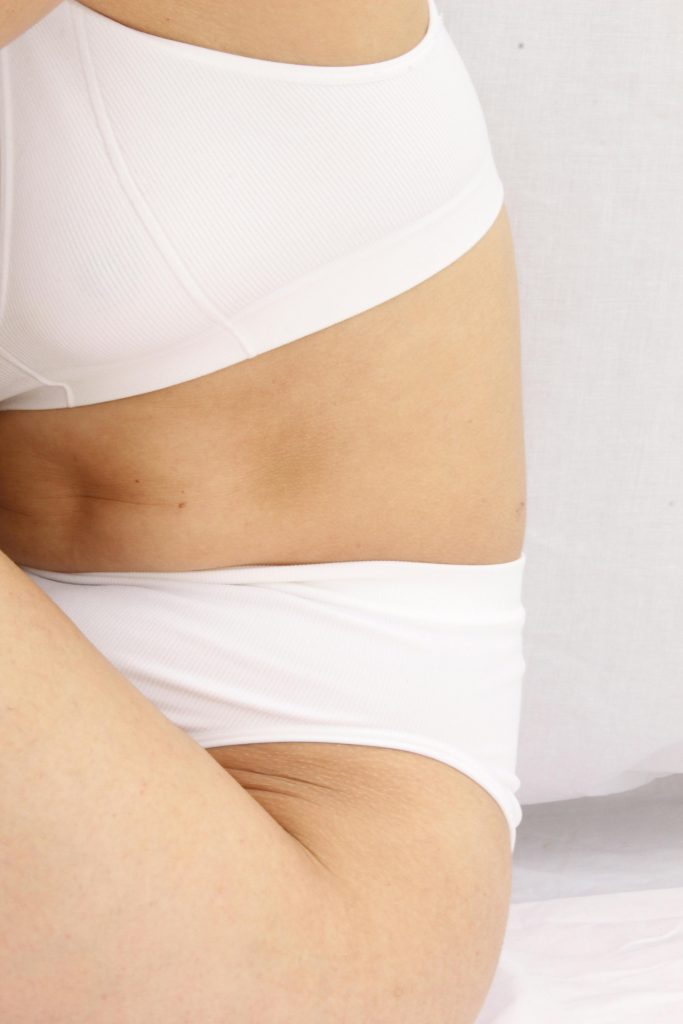
Why Does Cellulite Develop in People Who Exercise in Bornova?
Bornova is undoubtedly the youngest, most dynamic district of Izmir, with the most widespread sports culture. The sports ecosystem created by the Ege University campus, the morning runners in the Aşık Veysel Recreation Area, the modern fitness centers around Küçükpark, and the pilates studios around Forum Bornova are the clearest indications that the people of the region have adopted an active lifestyle. However, when we examine the profile of clients who apply to clinics in Bornova with cellulite complaints, we encounter a surprising fact: The vast majority of these people are women who exercise regularly, have sufficient muscle mass, and are at their ideal weight. So, how can a woman who does squats 4 days a week, runs regularly in Aşık Veysel, or goes to pilates still have an orange peel appearance? This situation is not only a cosmetic disappointment but also a major cause of loss of motivation. “I exercise, but my cellulite doesn’t go away; on the contrary, it gets more prominent,” is a common paradox heard in Bornova.
The general consensus is that cellulite is a problem of “excess fat.” If this were true, female athletes with a body fat percentage in the 18-20% range shouldn’t have cellulite. However, the scientific truth is this: Cellulite is a connective tissue disease related not to the amount of fat tissue, but to the “architecture” and “microcirculation” of the fat tissue. Exercise strengthens muscles and promotes fat burning; however, exercise cannot break down fibrotic bands (septa) that pull the skin vertically downwards, or alter genetically determined estrogen receptors. On the contrary, strenuous training without proper guidance can lead to “oxidative stress” and “lactic acid” accumulation in the body, impairing tissue quality and increasing the appearance of cellulite.
The Athlete’s Paradox: Lactic Acid and Oxidative Stress
One of the common mistakes made in the fast-paced gyms of Bornova is overloading the body beyond its recovery capacity. Muscles produce energy while working, and as a byproduct of this process, “Lactic Acid” and “Free Radicals” are produced. Under normal conditions, the body cleanses these wastes through the lymphatic and circulatory systems. However, when Bornova’s humid air, insufficient water intake, and excessive training combine, the body may struggle to cleanse these wastes.
Danger of Acidosis: Lactic acid accumulating in the tissue makes the pH balance of the environment acidic (Tissue Acidosis). The acidic environment causes the interstitial fluid (matrix) to gel and slows down lymphatic flow. The body tries to protect itself from this acidic environment by retaining water in that area (edema) and surrounding it with tough connective tissue. The result: Even though your muscles get stronger, the skin and fat tissue on top are edematous, hard, and have a cellulite-like appearance. In other words, excessive exercise, if not managed correctly, can become a source of inflammation that feeds cellulite.
Clothing Selection and the “Leggings” Trap
The clothes worn during exercise are at least as effective as the workout itself in cellulite formation. Tight, restrictive, and synthetic sports leggings, which have become almost a “uniform” in the streets of Bornova, on campus, or in gyms, can pose a serious obstacle to the circulatory system. These leggings, sold under the names “shaping” or “firming,” put pressure on the main lymph nodes in the groin area (inguinal lymph nodes).
The lymphatic system is the body’s scavenger, carrying toxins upwards from the legs. If there is a barrier (tight leggings) in the groin area, lymphatic fluid cannot rise and pools in the legs. This pooling causes swelling (edema) of the leg tissue and increases the appearance of cellulite. There is a world of difference between leggings that support blood circulation with “medical compression” properties worn during exercise and those that are simply “tight”.
Bornova’s Coffee Culture and the Effect of Cortisol
Bornova is famous for its countless cafes, especially around Küçükpark and Süvari Street. Many individuals who exercise consume high amounts of caffeine before training with the thought of “giving energy” or “speeding up fat burning”. Caffeine can speed up metabolism when consumed in moderation; however, excessive consumption (3-4 cups of filter coffee or certified pre-workout products per day) stimulates the adrenal glands, increasing the secretion of “Cortisol” (stress hormone).
Cortisol is a hormone that increases water retention (edema) in the body and reduces skin quality. Furthermore, excessive caffeine is a strong diuretic. If you don’t replace the water you lose while drinking coffee (dehydration), your body traps the existing water in the tissues. Dehydrated fascia (connective tissue) sticks together, loses its elasticity, and cellulite dimples appear deeper. So, that innocent coffee you drink before a workout can turn into a cellulite-friendly beverage if it’s not balanced with water.
Muscle Mass vs. Skin Connections: Anatomical Facts
Another common misconception among women who exercise is: “If I build up my leg muscles, my skin will stretch and cellulite will disappear.” This partThis is accurate but incomplete. Muscle tissue is deep; cellulite, on the other hand, is between the fat tissue above the muscle and the skin. In women, there are vertical bands called “septa” that connect these two layers.
No matter how much you increase muscle size, if these bands holding the fat tissue above them are fibrotic (hardened and shortened), muscle growth can make these bands even tighter and accentuate dimples. Therefore, it is vital to add exercises that stretch the fascia (Pilates, yoga, stretching) to your routine instead of just focusing on muscle-based (hypertrophy) training.
Athlete’s Cellulite vs. Sedentary Cellulite: Differences Table
The table below shows the differences between the cellulite mechanism in a woman who exercises and one who does not. This distinction is critical for determining a management plan.
| Parameter | Cellulite in Athletes (Fit Cellulite) | Cellulite in Sedentary Individuals |
|---|---|---|
| Root Cause | Oxidative stress, lactic acid, edema, trauma. | Fat cell growth, muscle laxity. |
| Tissue Structure | Tissue is tough (fibrotic), muscles are tense. | Tissue is soft (flask), muscles are weak. |
| Circulation Problem | Usually lymphatic obstruction (Overload). | Venous insufficiency (Slow blood circulation). |
| Nutritional Error | Excessive protein powder, artificial sweeteners, caffeine. | Diet heavy in carbohydrates and sugar. |
| Solution Approach | Drainage, massage, stretching, alkaline diet. | Fat burning, muscle strengthening, diet. |
Management Strategies: What to Do in Bornova?
If you have cellulite despite exercising, Giving up sports is not the solution; making your training and care routine “cellulite-friendly” is the solution.
- Post-Workout Drainage: After running or weight training in the gym, resting with your legs elevated or taking a cold shower (cold plunge) helps to disperse lactic acid.
- Fascia Stretching: Be sure to add a “Foam Roller” massage to your training program. This relaxes the membrane (fascia) on the muscle, opening up lymphatic flow.
- Professional Support: For hardened (athlete type) cellulite, instead of manual massages or vacuum systems; Methods that improve tissue quality and break down fibrosis, such as acoustic wave therapy (AWT) or mesotherapy, can crown the effect of sports.
- Alkaline Diet: To balance the acidic load created after training, it is necessary to eat plenty of greens, lemon water, and a diet rich in antioxidants (vitamin C).
Conclusion: A Holistic Perspective
In conclusion, cellulite seen in women who exercise in Bornova is not an indicator of failure, but a signal of “overload” or “circulatory blockage” in the body. Building muscle is great, but neglecting the health of the skin and connective tissue on these muscles makes it difficult to achieve aesthetic goals. Cellulite is a multi-factorial condition that can be managed not only by burning fat, but also by relaxing circulation, stretching the tissue, and maintaining hormonal balance. Don’t give up on sports, but listen to your body and adjust your workouts to a frequency that is “healing” rather than “destructive”.