
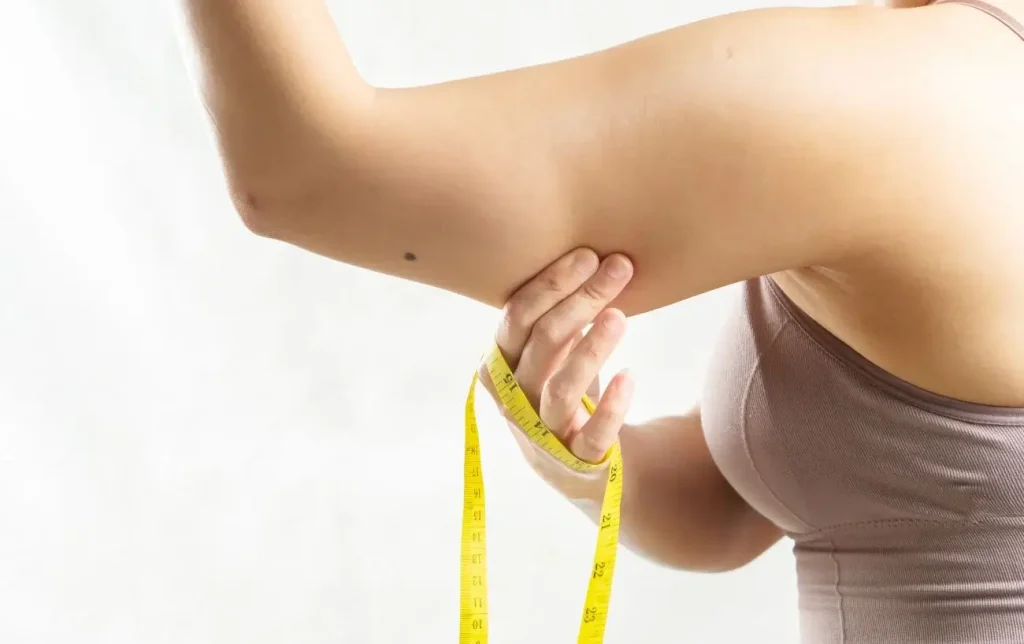
Why Doesn’t Stubborn Cellulite Go Away with Diet in Narlıdere?
Narlıdere, İzmir’s most peaceful district where green and blue meet, and which is famous for its thermal springs, is known for the high quality of life it offers its residents. Morning walks in Sahilevleri, the olive oil wonders of Aegean cuisine, and the relaxing effect of thermal facilities are all indicators of the importance the people of the region place on healthy living. However, many women living in Narlıdere have a common complaint: “No matter how much I diet, no matter how much I walk, that orange peel appearance on my legs just won’t go away.” This situation is not only an aesthetic concern but also creates a great loss of motivation. So, in a district that is the center of healthy eating and exercise, why can cellulite be so resistant? The answer lies in the fact that cellulite is not simply a “fat” problem, but a complex “circulatory and connective tissue” problem of anatomical and hormonal origin.
Contrary to popular belief, cellulite (Gynoid Lipodystrophy) is not just a problem for overweight individuals. Even extremely fit women who exercise regularly and are at their ideal weight, as you might see on the streets of Narlıdere, can have advanced cellulite. This is because cellulite is not related to the amount of fat tissue, but to “how the fat tissue is packaged” and “how it adheres” to the skin. Dieting can reduce the volume of fat cells; however, it cannot correct the fibrotic bands and impaired microcirculation that trap these cells. This is where the limitations of dieting begin.
Anatomical Fact: Fibrotic Bands and the “Bed” Effect
To understand why cellulite doesn’t go away with diet, we need to take a microscopic look beneath the skin. Women’s subcutaneous fat tissue has a different architecture than men’s. Between the dermis (skin) and muscle tissue are vertical “septa” (bands of connective tissue) that connect the skin to the underlying tissues. You can think of this structure like the buttons and springs of a mattress (skin surface).
Fat cells are packed between these vertical bands. When fat cells enlarge due to hormonal changes, genetic factors, or circulatory disorders, or when these vertical bands harden and shorten (fibrosis), the skin surface is pulled downwards while the fat lobules protrude upwards. This is the reason for that bumpy “orange peel” appearance on the skin surface. When you diet, you can empty the inside of the fat cells, but you cannot loosen these hardened, calcified, and inelastic bands (septa). As long as the bands continue to pull the skin downwards, the dimpling appearance may persist even if the person loses weight. The thermal waters of Narlıdere can relax the muscles, but this fibrotic structural damage under the skin requires more specific approaches.
Hormonal Factors and the Role of Estrogen
Cellulite is seen in 90% of women, and the biggest cause is the hormone “estrogen.” Estrogen regulates not only the reproductive system but also the vascular structure and collagen synthesis. Cellulite formation is triggered during periods of intense hormonal fluctuations such as puberty, pregnancy, and pre-menopause.
Estrogen can activate the collagenase enzyme by stimulating fibroblasts; this leads to the breakdown of the existing collagen structure and the weakening of the subcutaneous connective tissue. When the connective tissue weakens, fat cells herniate more easily into the dermis layer. No diet program (neither ketogenic nor intermittent fasting) can change the genetic sequence of estrogen receptors in your body or your hormonal cycle. Therefore, structural damage of hormonal origin cannot be corrected with calorie restriction alone.
Circulatory Disorder and the “Toxic” Cycle
One of the most critical factors in the onset of cellulite is a “microcirculation” disorder. Living in a seaside area like Narlıdere means high humidity. However, the sedentary work routine or prolonged standing brought about by modern life slows down blood and lymph circulation in the legs.
Vicious Cycle:As fat cells grow, they put pressure on the thin capillaries around them. This pressure impairs tissue oxygenation and hinders lymphatic drainage (waste removal system). Toxins and fluid (edema) accumulating in the tissue increase inflammation in the area. In response to this inflammation, the body “quarantines” that area and surrounds it with harder fibers (fibrosis). This hardening further impairs circulation. Diet is insufficient to resolve this mechanical pressure and hardened tissue.
What Diet Can and Cannot Do: A Comparative Table
The table below clearly shows the difference between the effects of healthy eating on our bodies and the structural realities of cellulite. This table answers the question, “I’m thin but I have cellulite.”
| Mechanism of Action | Effect of Diet and Exercise | Effect on Cellulite Structure | Result |
|---|---|---|---|
| Fat Cell Volume | Shrinks fat cells (Lipolysis). | Even though the cell shrinks, its location does not change. | Provides partial improvement, does not completely eliminate. |
| Fibrotic Bands (Septa) | Has no effect. | Bands do not stretch or break. | Dimplings are permanent. |
| Skin Elasticity | Rapid weight loss damages the skin It can loosen. | Loosened skin makes cellulite more noticeable. | Sometimes it can worsen the appearance. |
| Microcirculation | Supports general circulation. | Cannot open the blood vessel in the constricted area. | It is supportive but not a solution. |
| Edema Reduction | Edema is eliminated with salt restriction. | Provides temporary relief. | When the swelling subsides, the cellulite appears to have decreased. |
Narlıdere Lifestyle and Cellulite
Management
It’s possible to integrate the advantages of living in Narlıdere into cellulite management, but it’s important to know its limitations. Walks in Sahilevleri or the Narlıdere forests activate the “muscle pump” system, supporting venous return (the return of deoxygenated blood to the heart) in the legs. This is a great measure to slow down the formation of new cellulite. However, in established (Stages 3 and 4) cellulite, circulatory support alone cannot break down fibrotic tissue.
The thermal springs in the region dilate superficial vessels with the effect of hot water, providing a temporary increase in circulation. However, cellulite tissue responds better to hot-cold changes (contrast baths). Simply entering hot water can increase edema in people prone to varicose veins or with poor circulation. Therefore, applying a cold shower after a thermal bath is important for vascular gymnastics.
Cellulite Degrees and Realistic Expectations
Knowing the degree of cellulite is important to understand why results are not achieved with diet alone.
Stage 1: Only visible upon compression. (Largely controllable with diet and exercise).
Stage 2: Visible when standing, disappears when lying down. (Requires circulatory support).
Stage 3: Visible both when standing and lying down. (May be painful, fibrosis has progressed).
Stage 4: Tissue is hard, nodules are palpable.
“Stubborn” cellulite in stages 3 and 4 is no longer a fat problem, but a tissue damage problem. At this stage, dieting is only beneficial for general body health; professional, mechanical, or energy-based stimulation methods (Radiofrequency, Acoustic Wave, etc.) are needed to soften the hardened tissue in the cellulite area. These methods aim to trigger the body to remodel the collagen in that area.
Conclusion: A Holistic Approach is Essential
In conclusion, you should stop blaming yourself for your persistent cellulite despite Narlıdere’s clean air and healthy food. The failure of your diet isn’t due to a lack of willpower, but rather because the biological structure of cellulite is too complex to be solved by diet alone. Cellulite management requires a combination of healthy eating (anti-inflammatory diet), regular exercise, hormonal balance, and professional treatments targeting subcutaneous connective tissue.
There is no miracle diet; however, understanding your body’s anatomy and acting with the right expectations is your greatest strength in this process.