
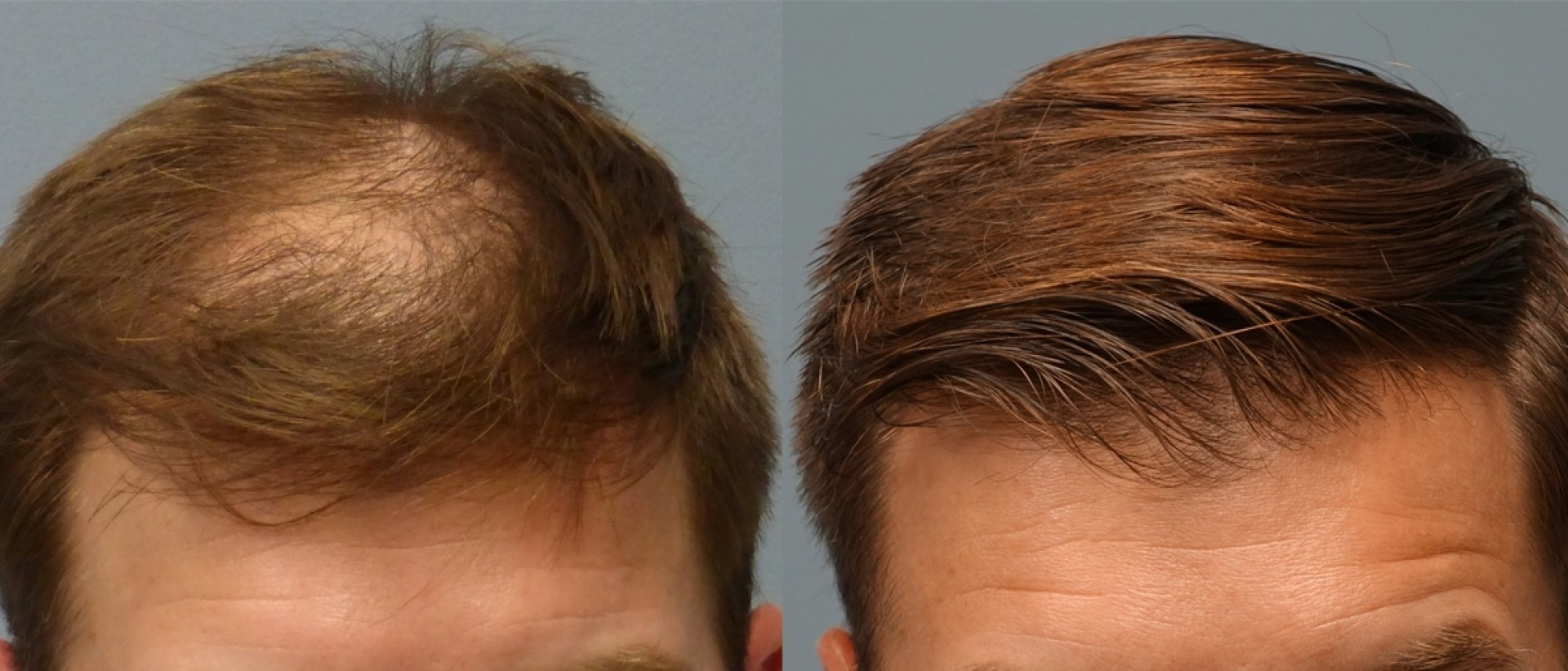
Private Demiderm Polyclinic: Hair Transplant in Izmir
Your hair is not just a part of your appearance; it is one of the most important instruments of your identity, energy, and self-expression. The thinning or hair loss you see when you look in the mirror does not remain merely an aesthetic issue; over time, it can turn into social withdrawal, loss of self-confidence, and psychological strain. As Private Demiderm Polyclinic, a well-established institution in the heart of the Aegean—Izmir—we define hair transplantation not merely as a surgical procedure, but as a comprehensive “art of restoration” that elevates a person’s quality of life.
With today’s advanced technology, baldness or hair thinning is no longer a hopeless fate. However, when not managed by the right hands, this delicate process can easily turn into disappointment. Carrying the responsibility of being one of the first names that comes to mind when hair transplant in Izmir is mentioned—whether you are a local resident of Izmir or a health tourist coming from abroad—after reading this guide, you will have full command of every step of your hair transplant journey.
What Is Hair Transplantation?
Hair transplantation, in its simplest definition, is the procedure of restoring bald areas of the scalp with healthy follicles taken from the person’s own body. Yet this definition alone cannot fully describe the biological miracle behind the process. Medically referred to as “Autologous Transplantation,” this procedure carries zero risk of tissue rejection because both the donor and recipient are the same person.
The fundamental principle of the operation is based on the “Donor Dominance” theory. Hair follicles located between the two ears and in the nape area are genetically resistant to dihydrotestosterone (DHT), the hormone responsible for hair loss. These follicles are biologically coded not to fall out. Through hair transplantation, we relocate these genetically powerful follicles to the bald areas. Once transplanted, they retain their original genetic code even in their new location. In other words, hair transplantation is not merely relocating hair; it is the transfer of the non-shedding trait to hairless areas. At Private Demiderm Polyclinic, our procedures consider not only hair growth, but also natural growth angle, direction, density, and the aesthetic design of the frontal hairline as an integrated whole.
Who Is Suitable for Hair Transplantation?
Not every individual experiencing hair loss is an ideal candidate for hair transplantation. Certain physiological and anatomical conditions must be met to achieve successful results. During your research on hair transplant clinics in Izmir, it is crucial to choose clinics that thoroughly analyze your medical suitability rather than those claiming “we transplant hair for everyone.” An ideal candidate profile includes the following:
1. Type and Stability of Hair Loss:
The most suitable candidates are individuals with genetically driven “Male Pattern Hair Loss” (Androgenetic Alopecia). In this type of hair loss, the donor area is usually preserved. In very young patients (under 20) whose hair loss is still actively progressing, it may be recommended to postpone the procedure or support it with medical treatments, as the final pattern of loss cannot yet be predicted.
2. Adequacy of the Donor Area:
Hair transplantation cannot create something out of nothing. To cover bald areas, the donor reserve in the nape must have sufficient density and quality. In cases where the donor area is weak, beard (submental) or chest hair can be used as supportive sources, but the primary source should always be the nape.
3. Scalp Health:
There should be no active scalp diseases (such as psoriasis, eczema, lichen planus, etc.) in the area to be transplanted. In addition, scalp blood circulation must be sufficient to nourish the newly transplanted follicles. Hair transplantation can also be performed on scarred tissues resulting from accidents or burns using specialized techniques.
4. Systemic Health Condition:
In patients with heart disease, high blood pressure, or diabetes, hair transplantation can be performed with medical approval as long as the condition is under control. However, blood-borne diseases or conditions that suppress the immune system require special protocols. At Private Demiderm Polyclinic, patient safety is our top priority, and we never proceed without a detailed medical history (anamnesis).
What Are the Hair Transplantation Methods?
With technological advancements, hair transplantation has evolved from a surgical operation into a minimally invasive aesthetic procedure. The methods we apply at our clinic reflect the most up-to-date global standards. The choice of technique depends on the patient’s hair structure, the extent of baldness, and the budget.
1. Sapphire FUE (Follicular Unit Extraction) Method
This is the revolutionary, advanced version of the classic FUE technique. In FUE, hair follicles are extracted one by one. The main difference appears during the channel-opening phase. While classic methods use steel blades, this technique uses tips made from sapphire crystal, one of nature’s most precious stones.
The greatest advantage of sapphire tips is their smoothness and sharpness. This minimizes tissue trauma, allows micro-level channel openings, and significantly accelerates healing. Sapphire tips also enable denser channel creation, increasing the number of follicles per square centimeter and resulting in a much fuller appearance. In searches for hair transplant prices in Izmir, Sapphire FUE stands out as one of the most preferred options in terms of price-performance balance.
2. DHI (Direct Hair Implantation) Technique
Commonly known as the “Pen Technique” or “Unshaven Hair Transplant,” DHI is one of the most sophisticated forms of hair transplantation. In this method, channel opening and follicle implantation are combined using medical pens called “Choi Implanter Pens.”
The harvested follicle is placed into the pen and directly implanted into the scalp. Since there is no need to open channels beforehand, bleeding is minimal. The biggest advantage of DHI is the ability to perform densification without shaving the hair, implanting directly between existing hairs. This makes DHI indispensable for female patients and professionals who wish to return to work immediately.
How Is Hair Transplantation Performed?
A hair transplant operation typically lasts between 6 and 8 hours and requires patience and precision. At Private Demiderm Polyclinic, the process is managed in the following stages:
This is the most artistic part of the procedure. A frontal hairline is designed according to your facial structure, forehead muscles, and age. This line determines naturalness. A perfectly straight line looks artificial, so microscopic irregularities are created for a natural transition.
Step 2: Local Anesthesia and Preparation:
To ensure the patient feels no pain, the donor and recipient areas are numbed using special devices (sometimes needle-free anesthesia). After this stage, the patient remains awake throughout the operation and may watch TV, listen to music, or chat.
Step 3: Harvesting the Grafts (Follicles):
Using micromotor devices, follicles in the nape area are loosened one by one and extracted with tweezer-like instruments. These follicles are living tissues and are preserved in special cold solutions (+4°C) used in organ transplantation, then categorized as single, double, or triple grafts.
Step 4: Channel Opening (for FUE/Sapphire FUE):
Channels are created in the recipient area according to the natural growth direction (left, right, or forward) and angle (usually 40–45 degrees). The angle of these channels determines whether the hair looks natural or “spiky.”
Step 5: Implantation:
In the final stage, the prepared grafts are meticulously placed into the opened channels. Single grafts are used along the frontal line for a soft transition, while double and multiple grafts are placed toward the back for volume.
How Is Hair Transplantation Performed in Men and Women?
Hair loss patterns and aesthetic expectations differ significantly between genders, making a one-size-fits-all approach ineffective.
Hair Transplantation in Men: Men typically experience receding temples (Norwood Scale) and crown thinning. The goal is to create a more masculine, defined hairline. To maximize graft numbers, fully shaved techniques are commonly preferred.
Hair Transplantation in Women: Women usually experience diffuse thinning (Ludwig Scale), with the frontal hairline often preserved. The biggest concern for female patients is shaving. At our clinic, we offer “Window Technique” or “Unshaven DHI” specifically for women. Only a small, hidden donor area is shaved, while implantation is performed between existing hairs without shaving the recipient area.
How Long Does Hair Transplantation Take?
The duration is not standard; it varies based on graft count, technique (DHI takes longer), and tissue structure. On average, an operation lasts 6–8 hours. Breaks for meals and personal needs are provided to ensure comfort. Mega sessions of 4,000–5,000 grafts may take longer but are necessary for maximum results in a single session.
Pre-Operative Preparation and Important Considerations
The foundation of success is laid at home. Preparing your body reduces complication risks.
Blood Thinners: Aspirin, vitamin E, ginseng, and ginkgo biloba increase bleeding risk and should be discontinued one week prior under medical supervision.
Smoking and Alcohol: Smoking reduces blood oxygen and constricts vessels, increasing the risk of graft loss (necrosis). Alcohol interferes with anesthesia and thins the blood. Both should be avoided at least one week before the procedure.
Post-Operative Process and Healing Timeline
Once the operation is completed, only 50% of the journey is done. The remaining 50% depends on aftercare. Here is what to expect:
| Time Period | Expected Condition and Recommendations |
|---|---|
| First 3 Days | The most critical phase. Avoid touching or wetting the area; keep the head elevated. |
| Days 3–10 | First wash is performed. Scabbing begins and is gently removed with recommended products. |
| Weeks 2–4 | Shock Loss Phase: Transplanted hair falls out suddenly. This is normal. |
| Months 3–4 | New hairs begin to emerge as thin “baby hairs.” |
| Months 6–8 | Hair thickens, darkens, and volume increases. About 60–70% of the result is visible. |
| Month 12 | Final result. Hair has fully grown and matured. Crown results may take up to 18 months. |
Why Are the First Weeks After the Procedure So Important?
During the first 10 days, follicles establish blood supply (revascularization). At this stage, they are like newly planted saplings and can be dislodged easily. After day 10, they integrate fully, eliminating this risk. Hence, extreme care is essential during the first week.
Frequently Asked Questions About Hair Transplantation
Will the Transplanted Hair Fall Out?
Excluding shock loss, the answer is No. These hairs retain their non-shedding genetic code. However, like all hair, they may thin slightly with advanced age.
Is the Procedure Painful?
Thanks to modern anesthesia, hair transplantation is painless. Only mild discomfort may be felt during the initial anesthesia, lasting 1–2 minutes.
How Is the Process for Patients Coming from Outside Izmir?
Private Demiderm Polyclinic welcomes patients from across Turkey and Europe. Online analysis is done beforehand. Arrival on the morning of the procedure is sufficient, followed by post-op checkups and optional accommodation at partner hotels.