
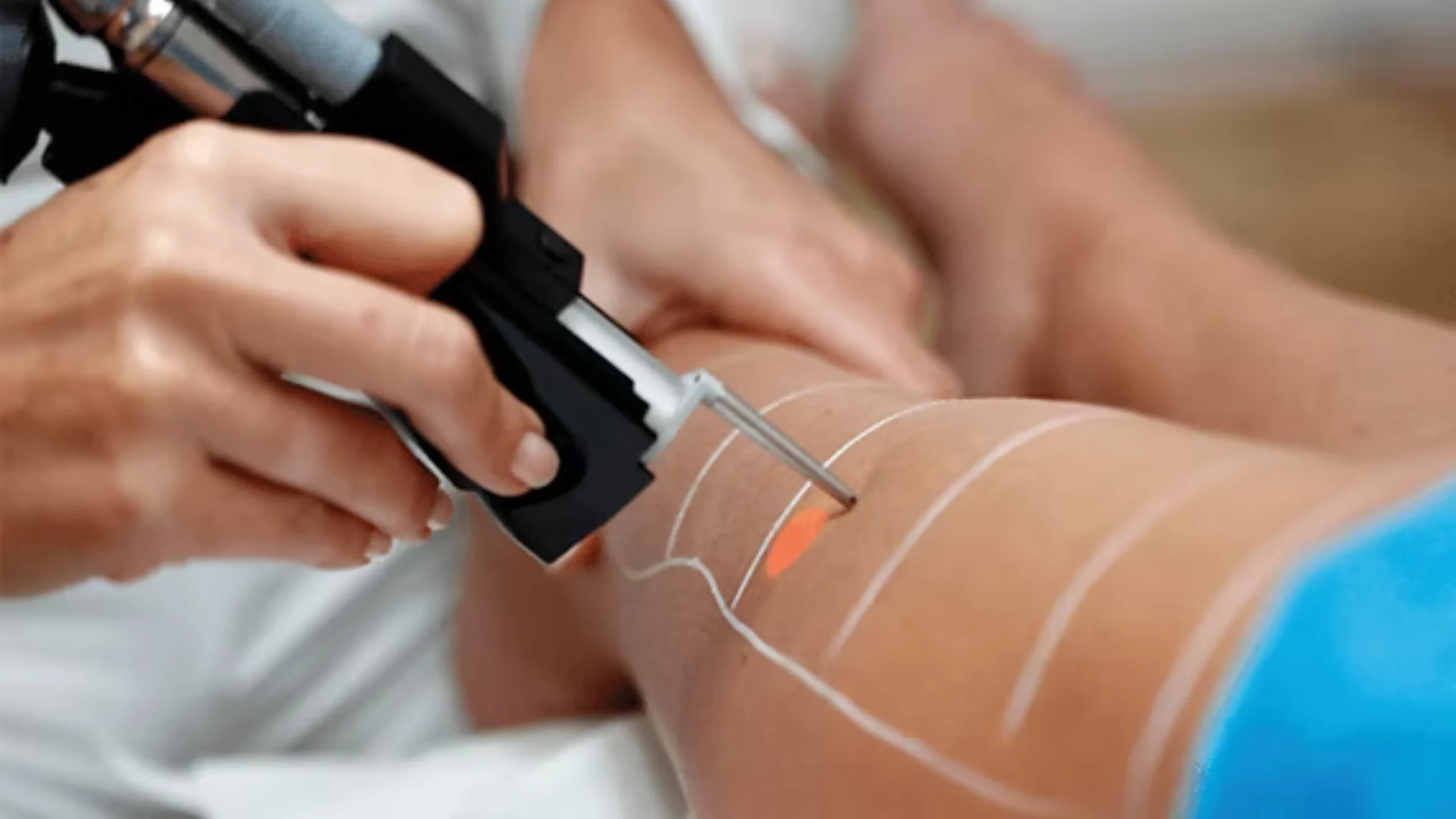
Izmir Alexandrite Laser Hair Removal
Modern dermatology and medical aesthetic applications have undergone a major evolution in the last twenty years, parallel to technological advancements. The management of unwanted hair has been one of humanity’s cosmetic concerns throughout history, but with the integration of laser technologies into medicine, this process has transformed from temporary solutions (depilation) to a medical procedure offering long-term and near-permanent results (epilation). As Private Demiderm Polyclinic in Izmir, providing services in light of medical ethical values and scientific protocols, we consider protecting our patients’ skin health and providing accurate information as our most fundamental responsibility. In this comprehensive guide, we will detail the working principles of Alexandrite laser technology, the physics of light-tissue interaction, biological processes, safety protocols, and all stages of treatment management, without any commercial bias, entirely in the light of scientific facts.
What is Alexandrite Laser Hair Removal?
The word “laser” is an acronym for “Light Amplification by Stimulated Emission of Radiation.” The Alexandrite laser takes its name from the Alexandrite crystal, a rare type of chrysoberyl used as a light source. This system specifically produces high-energy, monochromatic light at a wavelength of 755 nanometers (nm). Among laser systems used in medical aesthetics, Alexandrite is particularly known for its high affinity for melanin pigment. Although the use of lasers in dermatology dates back to the 1960s, the foundations of modern laser hair removal were laid with the proposal of the selective photothermolysis theory by Anderson and Parrish in 1983. The Alexandrite laser is considered one of the most successful applications of this theory. The system is calibrated to target only the hair follicle without damaging the deeper layers of the skin. Based on the principle that light energy is absorbed by the target tissue (chromophore) and converted into heat energy, this technology, when the right patient is selected, maintains its place in the literature as one of the gold standards in reducing unwanted hair.
How Does Alexandrite Laser Technology Work?
The success of laser hair removal lies at the point where physics meets biology. To understand the working mechanism of the Alexandrite laser, it is necessary to detail the principle of “Selective Photothermolysis”. This principle states that light of a specific wavelength is absorbed only by the targeted substance (chromophore) without damaging surrounding tissues (blood vessels, water, surrounding skin tissue). In laser hair removal, the target chromophore is the “melanin” pigment. Melanin is the substance that gives our hair and skin its color. The light beam with a wavelength of 755 nm emitted from the Alexandrite laser device is sent to the skin in very short periods of time (milliseconds), such as one thousandth of a second. The light passes through the skin surface and is absorbed by the dense melanin in the hair shaft. During this absorption process, light energy is rapidly converted into heat energy. This heat, traveling along the hair shaft, reaches the root portion (bulbus) and the vascular structures (papilla) that nourish the hair. The temperature at the hair follicle suddenly rises to 65-70 degrees Celsius. This thermal damage irreversibly damages the structure of the hair follicle and the stem cells capable of producing hair. The most critical point here is the “Thermal Relaxation Time.” While the hair needs to be destroyed by heating, the surrounding skin must not heat up. Alexandrite laser systems deliver energy so quickly that while the hair follicle heats up and is destroyed, the heat does not have time to spread to the surrounding tissue. This delicate balance is the key factor that ensures the procedure is both effective and safe. Why Choose Alexandrite Lasers? In clinical practice, there are various laser systems with different wavelengths (Diode 810 nm, Nd:YAG 1064 nm). However, there are strong scientific reasons why Alexandrite lasers are the preferred choice, especially in certain patient profiles:
- High Melanin Absorption: The 755 nm wavelength targets melanin much more intensely than other laser types. This feature allows for effective destruction of the hair follicle even at lower energy levels in individuals with light skin and dark hair. In other words, higher effectiveness is aimed for with less energy.
- Spot (Shot) Width and Speed: Alexandrite lasers have wide spot heads (such as 18mm, 20mm, 24mm). This means that a wider area can be scanned with each shot. It significantly shortens the treatment time, especially in large body areas such as the back and legs.
- Non-Contact Application Hygiene: Many Alexandrite systems are equipped with heads that can shoot from a certain distance without touching the skin (distance bars are used in some models). This method, which does not require the application of gel, is advantageous both in terms of patient hygiene and…It eliminates the post-treatment cleaning process.
- Tempered Smoothness: Because the Alexandrite laser vaporizes and eliminates surface hairs during the process (“pop-up” effect), the patient achieves smooth skin immediately after the session. While other laser types require waiting 10-15 days for hair to fall out, this cosmetic result is observed instantly with the Alexandrite laser.
Hair Cycle and Session Intervals
The answer to why laser hair removal doesn’t end in a single session lies in human biology and the life cycle of the hair. The hairs on our body behave like a dynamic organ and are in a constant cycle. This cycle consists of three main phases:
- Anagen (Active Growth) Phase: This is the phase where the hair is most firmly attached to the root, melanin production is most intense, and metabolic activity is at its highest. The hair follicle and papilla (the network of nourishing blood vessels) are in complete contact. Laser energy is best delivered to the papilla through the hair shaft at this stage. Therefore, laser hair removal can only cause permanent damage to hairs in the Anagen phase.
- Catagen (Transition) Phase: In this phase, the hair stops growing and begins to detach from the root. The connection with the papilla is broken, and the follicle shrinks. Even if the laser affects the hair in this phase, permanent damage may not occur because access to the stem cells is limited.
- Telogen (Resting) Phase: This is the phase where the hair is shed and the follicle rests to produce a new hair. There is no structure to target in the hair follicle at this stage.
At any given time, only 15-20% of the hairs on our bodies are in the Anagen phase. The rest are in the Catagen or Telogen phases. When a laser session is applied, only 20% of the hairs that are currently in the Anagen phase are removed. It takes a certain amount of time for the other hairs to enter the Anagen phase. Therefore, sessions are scheduled at intervals of 6-8 weeks for body areas and 4-6 weeks for the face. Adhering to the session intervals is vital for the success of the treatment in order to catch the new Anagen wave.
Treatment Process and Application Steps
Laser hair removal applications performed at the Private Demiderm Polyclinic in Izmir are treated with the seriousness of a medical procedure and follow a standard flowchart. Preliminary Consultation and Medical History A detailed consultation is conducted before each procedure. The patient’s skin type (according to the Fitzpatrick scale), hair color, hair thickness, and density are analyzed. More importantly, the patient’s medical history is inquired about. Polycystic Ovary Syndrome (PCOS), hormonal disorders such as thyroid disorders, medications being used (e.g., Roaccutane derivatives, photosensitizing antibiotics), active skin infections, or the presence of implants are evaluated. This step is cornerstone for the safety and effectiveness of the treatment.
Preparation Phase
It is requested that the hairs in the area to be treated be trimmed 1 to 2 days before the procedure (this may vary depending on the area) so that they do not remain on the skin surface. This is usually done with a razor or trimmer. Methods that remove hair from the root, such as waxing, tweezers, or epilators, should absolutely not be used; because if the root, which is the target of the laser, is not in place, the treatment will be ineffective. If the hairs are left long on the surface, it causes the energy to be wasted on the skin surface and increases the risk of burns.
During the Procedure
In the treatment room, both the patient and the specialist wear protective glasses appropriate for the wavelength to prevent retinal damage. Device parameters (Joule/cm2, ms, Hz) are adjusted by the physician or specialist according to the patient’s skin and hair structure. During the procedure, the Alexandrite laser’s integrated cooling systems (cold air or cryogenic gas) continuously cool the skin, protecting the epidermis and suppressing pain. Shots are delivered systematically to scan the planned area.
Post-Procedure Care
After the procedure is completed, heat accumulation may occur on the skin surface. Soothing creams and sunscreen are applied to the treatment area. The patient is given verbal and written instructions on what to do at home.
Application Areas and Characteristics
The Alexandrite laser may show different reactions in different areas of human anatomy. Each area has different skin thickness, hair depth, and nerve ending density.
- Facial Area: Facial hairs are very sensitive to hormonal changes and are generally thinner. The Alexandrite laser should be used carefully in the facial area. Because energy absorption may be low in fine hairs or there is a risk of “triggering” (paradoxical hypertrichosis), a doctor’s opinion should definitely be sought for the facial area, and if necessary, combination with different laser types (e.g., Q-Switch or Diode) should be considered.
- Underarms: This area, where the hairs are thick and the skin is generally light-colored because it does not get much sun exposure, is one of the areas where Alexandrite laser shows the highest performance and provides the fastest results.
- Legs: Due to the large surface areaThe fast scanning feature is a great advantage here. While the lower legs generally respond faster, the number of sessions may vary because the hairs in the upper leg and thigh area can be finer.
- Genital Area: Although it is a moist and sensitive area, it responds very well to laser treatment due to the dark and thick hair follicles. It is frequently preferred for hygiene and comfort.
- Back and Shoulders (Men): The skin on the male back is thick and the hair follicles are deep. Hairs in this area can be stubborn. It may require high energy, but parameters must be carefully selected with patient comfort in mind.
Who is it suitable for? Fitzpatrick Skin Typing
The answer to the question “which laser for whom?” in laser hair removal is given by the Fitzpatrick Skin Type Scale. Because the Alexandrite laser (755 nm) binds very strongly to melanin, it has to distinguish between the melanin in the skin and the melanin in the hair.
- Type I (Very Fair Skin): Skin that always burns in the sun and never tans. An excellent candidate for Alexandrite.
- Type II (Fair Skin): Skin that usually burns in the sun and is difficult to tan. Very suitable for Alexandrite.
- Type III (Wheat Skin): Skin that sometimes burns in the sun and tans slowly. The most common type in Turkish society. Alexandrite can be applied safely, but dose adjustment is important.
- Type IV (Dark Skin): Skin that burns little in the sun and tans easily. Alexandrite laser can be applied, but parameters (energy level and pulse duration) must be adjusted very carefully, and cooling must be kept at the maximum level.
- Type V and VI (Dark/Black Skin): In these skin types, the melanin density in the epidermis is very high. Alexandrite laser use may carry a risk of burns. Nd:YAG laser systems are generally preferred for these skin types.In summary, the ideal patient profile for Alexandrite laser is the “Light Skin + Dark Hair” combination. Since there is no or very little melanin pigment in white, gray, yellow, or red hair, laser energy cannot be absorbed, and the treatment will be ineffective. Pre-treatment Considerations
A successful laser hair removal process begins weeks before entering the treatment room. The rules that patients must follow are to minimize the risk of complications.
UV Isolation: Sunbathing and using tanning beds should be strictly avoided at least 3-4 weeks before the procedure. Melanin activity is high in tanned skin, and laser light can be absorbed by the upper layer of the skin instead of the hair follicle. This situation creates a risk of burns, crusting, or discoloration (hyperpigmentation/hypopigmentation) on the skin.
- Discontinuing Mechanical Epilation: At least 3-4 weeks before treatment, methods that remove hair from the root, such as waxing, plucking, epilators, and threading, should be stopped. The hair follicle is the target of the laser; if there is no target, the shot is wasted.
- Hair Bleaching Creams: Hair bleaching creams should not be used before the procedure because they target the melanin in the hair and disrupt its structure.
- Cosmetic Cleansing: When coming to your appointment, the treatment area should be clean and free of makeup, creams, oils, deodorants, or perfumes. These substances can interact with laser heat and irritate the skin.
- Drug Disclosure: Retinoid drugs (acne treatments), tetracycline antibiotics, and some antidepressants can sensitize the skin to light. The use of such medications must be reported to the doctor.
Post-Procedure Precautions
The skin barrier becomes temporarily sensitive after laser hair removal. Protecting the skin during this period is critical to preventing side effects.
- Thermal Isolation: Avoid taking hot showers, going to Turkish baths, saunas, or steam rooms for the first 24-48 hours after the procedure. The skin is already exposed to laser heat; extra external heat can increase edema and irritation. Taking a shower with lukewarm or cold water is recommended.
- Sun Protection: During the treatment process, and especially in the first few weeks after the procedure, the application area must be carefully protected from sunlight. In regions with a high UV index, such as Izmir, it is essential to use sunscreen with at least SPF 50+ when going outside and to reapply it every 2-3 hours.
- Avoiding Mechanical Irritation: Procedures such as scrubbing and peeling should not be performed for the first week. Scratching or rubbing the skin can cause irritation.
- Moisturizing: To maintain the skin’s moisture balance, water-based, fragrance-free moisturizers or epithelializing (repairing) creams recommended by the physician can be used. Aloe vera gels also provide comfort with their soothing effect.
Safety, Side Effects and Possible Skin Reactions
Alexandrite laser is an FDA (Food and Drug Administration) approved technology and is extremely safe in skilled hands. However, as with any medical procedure, expected temporary side effects and rare complications may occur.
- Expected Reactions: It is perfectly normal to see small red bumps (perifollicular edema) around the hair follicles and general redness (erythema) immediately after the procedure. In fact, this is a clinical indication that the procedure is effective (clinical endpoint). These reactions usually subside spontaneously within 1-2 hours, at the latest within 24 hours.
- Rare Side Effects: If high doses unsuitable for the skin type are used or if the procedure is performed on tanned skin, superficial burns, blisters, and crusting may occur.
- Pigment Changes: Rarely, dark spots (hyperpigmentation) or light-colored areas (hypopigmentation) may appear on the skin after the procedure. These are usually temporary but may take time to heal. To avoid such situations, it is vital to have the procedure performed in experienced centers like Private Demiderm Polyclinic with the correct analysis and parameter selection.
Comparison of Alexandrite Laser with Other Laser Types
Laser systems have points where they are superior or inferior to each other. The following table summarizes the technical and practical differences between these technologies:
| Feature | Alexandrite Laser (755 nm) | Diode Laser (810 nm) | Nd:YAG Laser (1064 nm) | IPL (Intense Pulsed Light) |
| Light Type | Laser (Coherent/Single Wavelength) | Laser (Coherent) | Laser (Coherent) | Broadband light (Laser) (not) |
| Melanin Absorption | Very High | Medium – High | Low | Variable |
| Target Audience | Light skin, dark hair (Type I-IV) | All skin types (Type I-VI) | Dark and tan skin (Type V-VI) | Generally light skin |
| Penetration | Medium Depth | Deep | Most Deep | Surface |
| Application Method | Generally contactless | Contact with skin (Gel) | Contactless or contact | Contact with skin (Gel) |
| Pain Perception | “Tire snapping” sensation | Low if ironing, high if pulsed | Deep stinging sensation | Sensation of warmth |
| Session Duration | Very fast (Wide (headings) | Fast | Slow (Small spot diameter) | Medium |
Alexandrite Success Rate According to Skin Color and Hair Type
The success of the Alexandrite laser is based on the principle of contrast. The lighter the skin color, and the darker and thicker the hair, the higher the success rate. Black and thick hairs absorb laser energy perfectly and transmit it to the root. However, as the hair color lightens (brown, light brown), the amount of melanin decreases and the effectiveness of the laser decreases. The effect of the Alexandrite laser is limited on very fine hairs (vetch); in some cases, it can even cause activation of these hairs. Therefore, insisting on Alexandrite for every hair type is not correct; a professional approach requires being able to direct the patient to a different system if necessary or to say “laser is not suitable for these hairs”.
Common Mistakes and Factors Affecting Treatment Success
The success of the treatment depends 50% on the technology and the practitioner, and 50% on the patient’s compliance. Common mistakes include:
- Skipping Sessions: The hair cycle is a biological clock. Not attending appointments regularly means missing the Anagen phase and extending the total treatment time.
- Hidden Tanning: A patient hiding their tanned skin by saying “I’ve only been in the sun a little” creates a serious risk of sunburn.
- Ignoring Hormonal Status: If there is sudden and thick hair growth in areas such as the chin, neck, nipples, or navel line, this may be a sign of a hormonal disorder (hirsutism). Relying solely on laser treatment without treating the underlying hormonal cause is like “trying to fill a leaky bucket with water”; Hair doesn’t disappear, it’s only suppressed.
Pain Sensation and Comfort Methods Applied During Sessions
“Is laser hair removal painful?” is one of the most frequently asked questions. Pain is a subjective concept and varies according to the individual’s pain threshold. Alexandrite laser pulses are generally felt as a momentary rubber strike or a slight pinch on the skin. This sensation may be slightly more pronounced in areas with dense hair follicles and bony areas. However, new generation Alexandrite devices are equipped with “Cold Air Blowing” (Air Cooling) or “Cryogenic Gas” spray systems. These systems instantly cool the skin to -30 degrees simultaneously with or before/after the pulse, blocking nerve endings. Thanks to this, the procedure is completed at a highly tolerable comfort level without requiring anesthesia.
How Many Sessions Are Needed for Permanent Results?
Due to medical ethics, “not a single hair should be removed for a lifetime”A promise like “it won’t grow back” is not realistic. The aim of laser hair removal is to reduce hair density by 80-90%, and to transform the remaining hairs into a thin, fine, and cosmetically pleasing form.
On average:
Body Areas: 6 to 8 sessions,
Face: 8 to 12 sessions (depending on hormonal structure),
Male Back/Shoulders: 8 to 10 sessions are usually sufficient for satisfactory results. After the treatment is completed, “maintenance (touch-up) sessions” performed once a year help maintain the permanence of the result for years.
Is Alexandrite Laser Hair Removal Suitable for Men?
Today, male patients constitute a significant portion of the patient portfolio of aesthetic clinics. High testosterone levels in men cause constant stimulation of hair follicles. Therefore, in men, complete Instead of complete hair removal, reducing hair density and thinning the hair is a more realistic goal. Alexandrite laser also plays a therapeutic role in solving the problem of “ingrown hairs” (pseudofolliculitis bar), which is a common complaint, especially among men. When the hair follicle is destroyed, the risk of the hair growing back under the skin is eliminated. The nape of the neck, the neck above the cheekbones, the shoulders, and the back are the most preferred areas for men.
Use of Alexandrite Laser on Sensitive Skin
Having sensitive skin (atopic skin, dermographism, etc.) is not a definitive obstacle to laser hair removal. However, the approach should be more cautious. In such patients, a “patch test” is performed on a small area before the application, and the skin’s reaction is observed for 24 hours. If there is no excessive reaction, treatment begins. The process can be managed comfortably with cold compress applications and intensive moisturizing support after the procedure.
Use of Alexandrite Laser During Pregnancy and Breastfeeding
Laser beams belong to the non-ionizing radiation group; that is, unlike X-rays, they do not affect cells. It does not damage DNA or accumulate in the body. The light only penetrates a few millimeters below the skin. Theoretically, no harm to the baby or mother has been demonstrated. However, because clinical studies cannot be conducted during pregnancy for ethical reasons, the safety of this procedure has not been 100% proven. Furthermore, hormonal changes during pregnancy may reduce the effectiveness of the treatment or increase the risk of skin discoloration. For these reasons, at Private Demiderm Polyclinic, we do not perform laser hair removal during pregnancy, adhering to the principle of “first, do no harm.” During breastfeeding, after waiting for hormones to balance, the procedure can be started with the approval of a physician.
Can Alexandrite Laser Treatment Be Performed on Tanned Skin?
The answer to this question is definitive and clear: No, it should not be performed. In tanned skin, melanocytes in the epidermis layer have produced excessive melanin. Because the Alexandrite laser targets melanin, instead of sending energy to the hair follicle, it expends it on this melanin layer on the skin’s surface. This is like “missing the target” and can lead to serious burns on the skin’s surface. It can lighten. Patients with tanned skin should wait for the skin to lighten, or Nd:YAG laser technologies suitable for tanned skin should be preferred. It is safest to interrupt treatment during the summer months or to continue only on areas not exposed to the sun (such as underarms and genitals).
Post-Session Supportive Care at Home
After the procedure in the clinic, treatment continues at home. For faster skin recovery:
- Natural Ingredients: Aloe vera gel cools the skin and reduces inflammation. Chamomile extract creams are soothing.
- Barrier Repairers: Lotions containing dexpanthenol (vitamin B5), ceramides, or hyaluronic acid strengthen the skin’s barrier.
- Things to Avoid: Toners containing alcohol, products containing glycolic acid or salicylic acid, for the first 3 days after the procedure. should not be used.
Laser Hair Removal and Seasonal Factors
In a region like Izmir, which experiences sunshine for a large part of the year, the timing of laser hair removal should be strategic. Winter and spring months are the ideal times to start treatment for sun-protected areas of the body and the face. In summer, treatment can be limited to areas where full sun protection can be provided, or it can be interrupted. Since the skin’s moisture needs change during seasonal transitions, the care routine should be revised accordingly.