
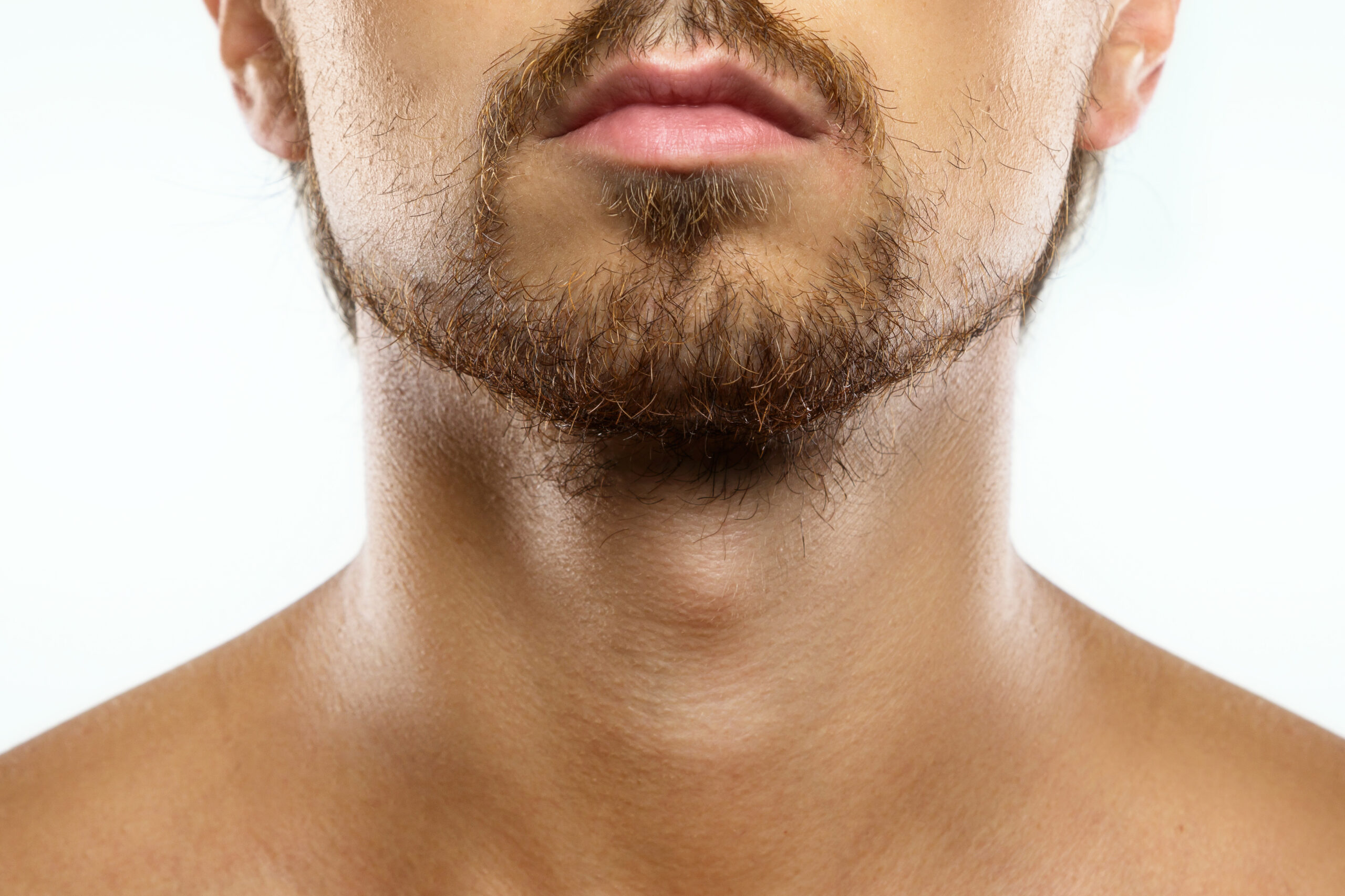
Beard Transplantation in Izmir
In male aesthetics, the beard is not just a hair structure, but the most important accessory that defines the characteristic features of the face, strengthens the jawline, and completes the masculine expression. Seen throughout history as a symbol of strength, maturity, and status, the beard remains an integral part of the modern man’s style. However, due to genetic factors, hormonal imbalances, traumatic accidents, burns, or certain dermatological conditions, many men face the problem of beardlessness or sparse beard growth, known as “beardlessness.” This situation can affect a person’s self-confidence and social relationships. At Izmir Private Demiderm Polyclinic, we treat beard transplantation not as a simple aesthetic procedure, but as a tissue transplantation process requiring millimeter-precise calculations in accordance with facial anatomy. In this comprehensive guide, we will examine all the details of beard transplantation, from its biological foundations to its operational processes, from graft selection to the healing period, in light of scientific data.
What is Beard Transplantation?
Beard transplantation is the process of transplanting healthy hair follicles (grafts) taken from genetically coded areas of the body that are not prone to hair loss (usually the nape or under the neck) to areas of the face where there is a lack of beard or mustache. While this procedure is based on similar principles to hair transplantation, it requires a much more delicate technique due to the anatomical differences of the facial region, the structure of the skin, and the angle at which beard hairs grow.
Facial skin is thinner than scalp skin, has better blood supply, and is constantly active with facial expressions. Therefore, beard transplantation is more of a “facial restoration” procedure that combines the principles of facial aesthetics and reconstructive surgery, rather than a standard hair transplant operation. The goal is not only to fill in the gaps but also to create a beard structure that suits the person’s facial features, with natural density and at the correct angle.
In Which Cases is Beard Transplantation Performed?
Beard transplantation is a treatment that can be applied both for aesthetic concerns and for repair (reconstruction) purposes. The most common indications are:
- Baldness (Genetic Deficiency): Individuals who have completed puberty (after the age of 20-22) but have no facial beard growth or only very fine hairs.
- Sparse Beard: Those who have a beard but are not satisfied with its density and want a fuller and more complete beard.
- Regional Gaps (Alopecia Areata): Permanent gaps that occur during the inactive phases of diseases such as alopecia areata.
- Scar and Burn Marks: Those who want to camouflage scar tissue (marks) on the face resulting from accidents, surgery, burns, or trauma with a beard.
- Asymmetry: Cases where the density or shape of the beard on the right and left sides of the face differ.
- Gender Reassignment: Trans To create masculine facial features in individuals.
Who Are Suitable Candidates for Beard Transplantation?
Not everyone may be a suitable candidate for beard transplantation. The characteristics sought in an ideal candidate are:
- Hormonal Development: The effect of testosterone and DHT hormones on the beard must be complete. Therefore, individuals who are generally 21-22 years old are preferred.
- Donor Area Adequacy: There must be a sufficient quantity and quality of hair follicles in the nape area or the lower (unnecessary) part of the beard.
- Health Status: There should be no serious chronic disease (hemophilia, active infection, etc.) that would prevent the operation.
- Realistic Expectations: It is important for the patient to be aware of the results that can be achieved with the available donor capacity.
Beard Transplantation Methods: Comparison of FUE and DHI
The basic methods used in beard transplantation are based on FUE (Follicular Unit Extraction), but different techniques are used in the transplantation (implantation) phase. The most suitable techniques for the facial area are:
Sapphire FUE Method
In this method, follicles are collected from the donor area with a micromotor. Micro-channels are opened in the area to be transplanted using sapphire-tipped pens, and the roots are placed into these channels. Although sapphire tips reduce tissue trauma, the pre-channeling process may slightly increase the risk of bleeding and edema in the facial area.
DHI (Choi Pen) Method
This method is considered the “Gold Standard” for beard transplantation. In the DHI (Direct Hair Implantation) technique, the collected grafts are placed inside special pens called “Choi Implanter Pens” and injected directly into the skin without the need to open channels.
Why is DHI Preferred?
– Facial skin is sensitive; with DHI, no incisions are made, only needle insertion occurs.
– The angle of emergence of beard hairs (10-20 degrees) is very flat. It is much easier to achieve these flat angles with DHI pens.
– TighteningIn beard transplantation, hair can be inserted between existing beard hairs without damaging them.
– Healing time is faster, and the risk of scarring is minimal.
How Does the Beard Transplantation Process Work?
At İzmir Private Demiderm Polyclinic, the beard transplantation process goes through the following stages in full compliance with medical procedures:
1. Consultation and Design: The physician analyzes the patient’s facial shape. The beard line, cheek line, and neck boundary are drawn according to the patient’s wishes and the principles of the golden ratio.
2. Local Anesthesia: Both the donor area and the facial area are numbed with local anesthesia. The procedure is painless.
3. Graft Harvesting: Grafts are collected from the nape area or from unwanted beard hairs under the neck. In beard transplantation, “single grafts” are generally preferred because the beard hairs emerge from the skin one by one.
4. Implantation: The harvested roots are transplanted using DHI pens or sapphire tips according to the determined design and angles. Donor Area Selection and Graft Number Determination
Donor area selection is strategic in beard transplantation.
Nape Area: This is the most frequently used area. However, nape hair and beard hair can be structurally different (thinner). Therefore, the thickest hairy areas of the nape are selected.
Under the Neck/Above the Cheekbone: If the patient has unwanted hair under the neck or above the cheekbone, this hair can be collected and transplanted into the gaps. This is like “killing two birds with one stone”; both unwanted hair is removed and the most natural beard structure is obtained.
Graft Number:
– In cases of baldness: 3000-5000 grafts.
– In cases of thinning: 1500-3000 grafts.
– Regional (Scar, mustache, etc.): 500-1000 grafts.
How Long Does a Beard Transplant Take?
Beard transplantation may require fewer grafts than hair transplantation, but it is a procedure that requires much more precision and attention. Each hair on the face has a different direction. Therefore, the operation takes an average of 4 to 7 hours, depending on the number of grafts to be transplanted.
Recovery Process After Beard Transplantation
Because the facial area has very good blood supply, healing is faster than in the scalp.
First 3 Days: Red dots and slight swelling may be seen in the transplanted area. The face should not be washed.
3-7 Days: Crusting begins. These scabs are cleaned with washes.
7-10 Days: The scabs fall off completely, the skin turns pink and begins to return to its normal appearance.
Crusting and Shedding (Shock Loss) After Beard Transplantation
The “Shock Loss” phase begins from the 2nd week after the procedure. The transplanted beard hairs suddenly fall out. This is a completely expected and physiological process that worries patients. The roots remain alive under the skin and enter the resting phase. Only the hair shaft falls out.
When Will Beard Transplant Results Be Seen?
After the shock loss phase, permanent beard hairs begin to grow from approximately the 3rd month onwards.
3-4 Months: Thin and weak hairs begin to grow.
6 Months: 60-70% of the beard hairs have grown, and the hairs thicken.
12 Months: The final result is achieved. The beard reaches its natural form and thickness. Normal shaving and styling are now possible.
Washing and Care Instructions After Beard Transplantation
The first wash is usually done at the clinic on the 2nd or 3rd day after the procedure. After that, home care is as follows:
1. The recommended lotion is gently applied to the transplant area using dabbing motions (without rubbing) and left to sit.
2. Rinse with lukewarm, low-pressure water.
3. Apply medicated shampoo gently, lathering it up.
4. Remove excess moisture with a paper towel, without rubbing.
This process is repeated 1-2 times a day until the scabs fall off (approximately 10 days).
Itching, Redness, and Sensitivity After Beard Transplantation
Itching due to histamine release during the healing process is normal. However, scratching the area can damage the hair follicles. Redness may persist for 2 weeks to 1 month, depending on skin type. Sun protection is vital to prevent redness from turning into pigmentation.
The Permanence of Beard Transplantation and the Settlement Period of Results
The roots taken from the donor area (nape) are genetically programmed not to fall out. They retain this characteristic when transferred to the facial area. Therefore, the results of beard transplantation are permanent. The transplanted beard hairs grow like the person’s other beard hairs, and can be trimmed, shaved, and dyed.
Beard Transplantation Application on Scars
Burn, surgical, or cut scars in the beard area can be bothersome for men. Although blood circulation is poor in scar tissue, the success rate is high in transplants performed with the right technique. With the DHI method, scars are camouflaged and made invisible by directly transplanting into the scar tissue.
Beard Transplantation and Moustache Transplantation Combination
Beard and moustache are a whole. Patients who undergo beard transplantation often also request tightening or reshaping of the mustache area. Because the upper lip area is anatomically very mobile, the mustache…The transplant requires extra precision. Both procedures can be successfully performed in the same session.
Solution for Sparse or Uneven Beards: Regional Beard Transplantation
Some people have beards but may have gaps on the cheeks, sparseness under the chin, or unevenness between the right and left sides. In these cases, instead of “full beard transplantation,” “tightening” or “touch-up” transplantation is performed. Density is increased and lines are corrected by injecting into the existing beard hairs.
Creating a Natural Beard Line with Beard Transplantation
The top line (cheek line) and bottom line (neck line) of a natural beard are not perfectly straight like a “string.” They are slightly messy and have indentations and protrusions. It is necessary to mimic this naturalness during transplantation. By using single grafts and creating a scattered arrangement, an artificial and sharp appearance is avoided.
Avoiding Sports, Steam, and Sun Exposure After Beard Transplantation
- Facial expressions (excessive smiling, chewing) should be restricted for the first week.
- Heavy sports, fitness, and sweaty activities should be avoided for the first two weeks (Sweating creates a risk of infection).
- Turkish baths, saunas, and solariums are prohibited for one month.
- Direct sunlight should be avoided for the first month.
Beard Transplantation Prices and Influencing Factors
Beard transplantation prices vary depending on the number of grafts to be transplanted, the technique to be applied (DHI is generally more expensive), the duration of the procedure, and the doctor’s planning. The cost of a 1000-graft touch-up differs from the cost of a 4000-graft treatment for baldness. According to Ministry of Health regulations, it is not appropriate to provide price information via the website. For personalized analysis and pricing, you need to contact our clinic.
Who is Not Suitable for Beard Transplantation?
- Those with completely insufficient donor area (nape hair).
- Those with active skin infection or active acne problems in the facial area (can be done after treatment).
- Those with skin structure prone to keloid (excessive scarring).
- Those with blood clotting disorders.
- Those who are not psychologically ready for the procedure or have unrealistic expectations.
When Can You Shave After Beard Transplantation?
For the first 10-15 days, beards should not be trimmed even with scissors.
1st Month: Trimming with scissors is possible.
3rd Month: Shaving with a machine is possible.
6th Month: Shaving with a razor (close shave) is possible.
Using a razor in the early stages can dislodge roots that haven’t fully taken root or irritate the skin.
Things to Know Before Getting a Beard Transplant
Hair follicles taken from the nape of the neck naturally tend to grow like hair. They retain this characteristic when transplanted to the face. Therefore, beards of people who have undergone beard transplants may grow a little faster than normal beards and may require regular maintenance (trimming). However, over time (over the years), according to the “Recipient Dominant” theory, the transplanted hairs begin to mimic the character of the area (beard) where they are located.
Beard Transplant Methods Comparison Table
| Features | FUE Method | DHI (Pen) Method |
|---|---|---|
| Channel Opening | First channel, then transplantation. | Channel and transplantation simultaneously. |
| Angle Control | Good. | Excellent (Ideal for slanted angles). |
| Healing Time | Fast. | More Fast. |
| Tightening | Difficult (May damage existing hairs). | Easy (Can fill in gaps). |
| Cost | More Economical. | Higher. |