
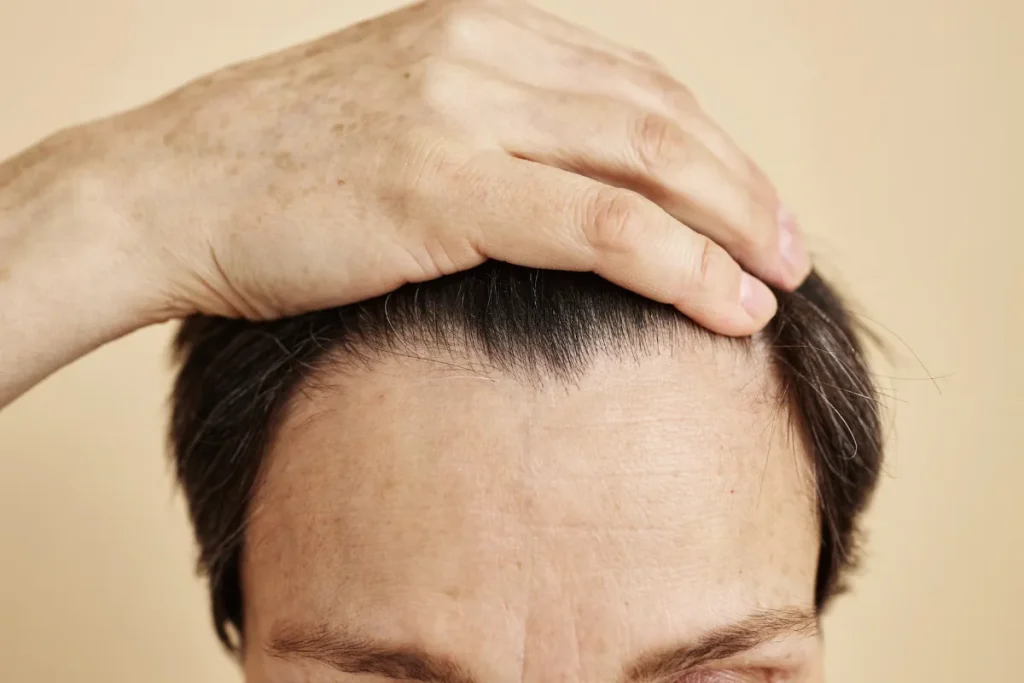
How Long Does Hair Transplantation Last?
The decision-making process for hair transplantation surgery is not only about aesthetic concerns, but also about serious time, effort, and budget planning. The most fundamental and legitimate question in the minds of patients making this investment is: “How long will these hairs I’ve obtained last?” The misinformation on the internet sometimes claims that the operation is permanent for life, while at other times it creates confusion by suggesting that the results may be temporary. However, in medical science, there are biological facts instead of certainties. The durability of hair transplantation depends on many parameters, from your genetic code to your lifestyle, from the technique of the operation to the aging process.
The Basis of Permanence: The Principle of Donor Dominance
The biggest turning point in the historical development of hair transplantation is the “Donor Dominance” theory put forward by Dr. Norman Orentreich in the 1950s. This theory explains why hair transplantation is not a temporary solution, but a permanent physiological transfer. Male pattern baldness (Androgenetic Alopecia) occurs when hair follicles develop a genetic sensitivity to the hormone DHT (Dihydrotestosterone). However, the hair at the back of the head (nape) and above the ears is genetically coded as “resistant” to this hormone.
In hair transplantation, follicles taken from this resistant area are transplanted to the bald area. These transplanted follicles continue to retain the genetic characteristics of their origin (the nape). In other words, moving them to the crown area does not alter their genetic structure. Therefore, the transplanted hair is theoretically unaffected by the hormones that cause hair loss, and it will last as long as the hair on the nape. This is the strongest biological evidence of the operation’s permanence.
However, Note: Aging Factor and Natural Thinning
The concept of “lifelong permanence” is often misunderstood. This does not mean that the hair will never fall out; This means that the hair will not fall out due to genetic hair loss patterns. The human body is a whole, and the aging process affects all tissues. Around the ages of 70, 80, or 90, a process called “Senile Alopecia” (Age-Related Hair Loss) begins, independent of hormones.
During this process, blood circulation in the body slows down, the rate of cell renewal decreases, and tissue quality deteriorates. Just as hair in the nape area thins and becomes sparser with age, transplanted hair also suffers from this natural aging process. Therefore, although hair transplant results are permanent for many years (20-30 years and more), expecting the density of a 25-year-old at 75 is not biologically realistic. A point that patients often confuse is this: Transplanted hair is permanent, but your “original” hair around or between the transplanted areas may continue to fall out. This can create the impression that the transplanted hair is falling out; However, the loss is not in the transplanted hair, but in your own old hair.
External and Internal Factors Affecting Permanence
The lifespan of a hair transplant depends not only on the surgeon’s skill but also on the patient’s quality of life after the operation. The transplanted hair is like a seed; the quality of the soil (scalp) and care (lifestyle) determine the yield of the product. The factors that directly affect the durability of the results are:
- Donor Area Selection: If the roots are taken from “outside the safe zone” (e.g., too high or too low on the nape of the neck) which is genetically coded for hair loss, these hairs will also fall out where they are transplanted. This is a surgical planning error.
- Nutrition and Smoking: Hair follicles are the fastest dividing cells in the body and require intense energy. Smoking constricts capillaries, preventing the roots from being nourished and shortening their lifespan. Iron, zinc, B12, and biotin deficiencies can also cause transplanted hair to become thin.
- Tissue Damage (Trauma): Opening channels too frequently or too deeply during the operation can lead to impaired circulation (necrosis) in the scalp. Hair transplanted to an unhealthy area may not take root or will be short-lived.
Timeline: What to Expect in the Years?
Hair transplantation is a dynamic process. The table below shows the change process and expectations over the years following the operation:
| Time Period | Process Description | Permanence Status |
|---|---|---|
| First 1 Year | Adaptation and Growth Period | Roots settle, permanent hair grows after shock shedding. |
| 2 – 10 Years | Golden Period | Hair is in its most vibrant, thickest and densest form. |
| 10 – 20 Years | Maturity Period | Hair quality is preserved, but slight thinning may begin with age. |
| 20+ Years | Natural Aging | Just as the hair on the nape of the neck ages, so do the transplanted hairs. |
Strategies to Extend the Life of Results
Having a hair transplant doesn’t mean closing the book on hair care. On the contrary, “maintenance treatments” are crucial for preserving this valuable result. Medical aesthetic applications can improve the quality of transplanted hair and extend its lifespan:
Especially PRP (Platelet Rich Plasma) and Mesotherapy applications directly meet the vitamin and mineral needs of the scalp, ensuring that hair follicles remain thicker and more vibrant. In addition, supportive tablets or sprays used periodically as recommended by a dermatologist both protect the transplanted hair and slow down the shedding of your existing main hair, if any, thus postponing the need for a second operation.
Conclusion: Return on Investment
In short; “How many years does a hair transplant last?” The answer to that question is, biologically, “for many years, even a lifetime.” However, this permanence doesn’t mean the aesthetic appearance will remain unchanged for 50 years. Hair transplantation saves you from baldness and makes you a hairy individual, and this gain is permanent. The texture, color, and thickness of the hair will continue to age and mature with you. With the right technique, an expert team, and a conscious aftercare process, hair transplantation is one of the longest-term aesthetic investments a person can make in themselves.