Izmir Medical Skin Care
Skin health is more than just an aesthetic concern; it means protecting our body’s first line of defense against the outside world (barrier function). Aging, environmental pollution, stress, poor nutrition, and genetic predisposition weaken the skin barrier, leading to problems such as acne, blemishes, and premature wrinkles. While traditional skin care often targets the dead layer on the surface of the skin, Medical Skin Care focuses on the skin’s anatomical structure, physiological functioning, and cellular needs in the deeper layers. As Izmir Private Demiderm Polyclinic, we determine your skin goals with accurate analyses and apply personalized scientific protocols that support not only short-term well-being but also long-term skin health and regeneration. In this detailed guide, we will examine all the stages and differences of medical skin care, ranging from deep cleansing to collagen activation, acne management, and blemish reduction.
What is Medical Skin Care?
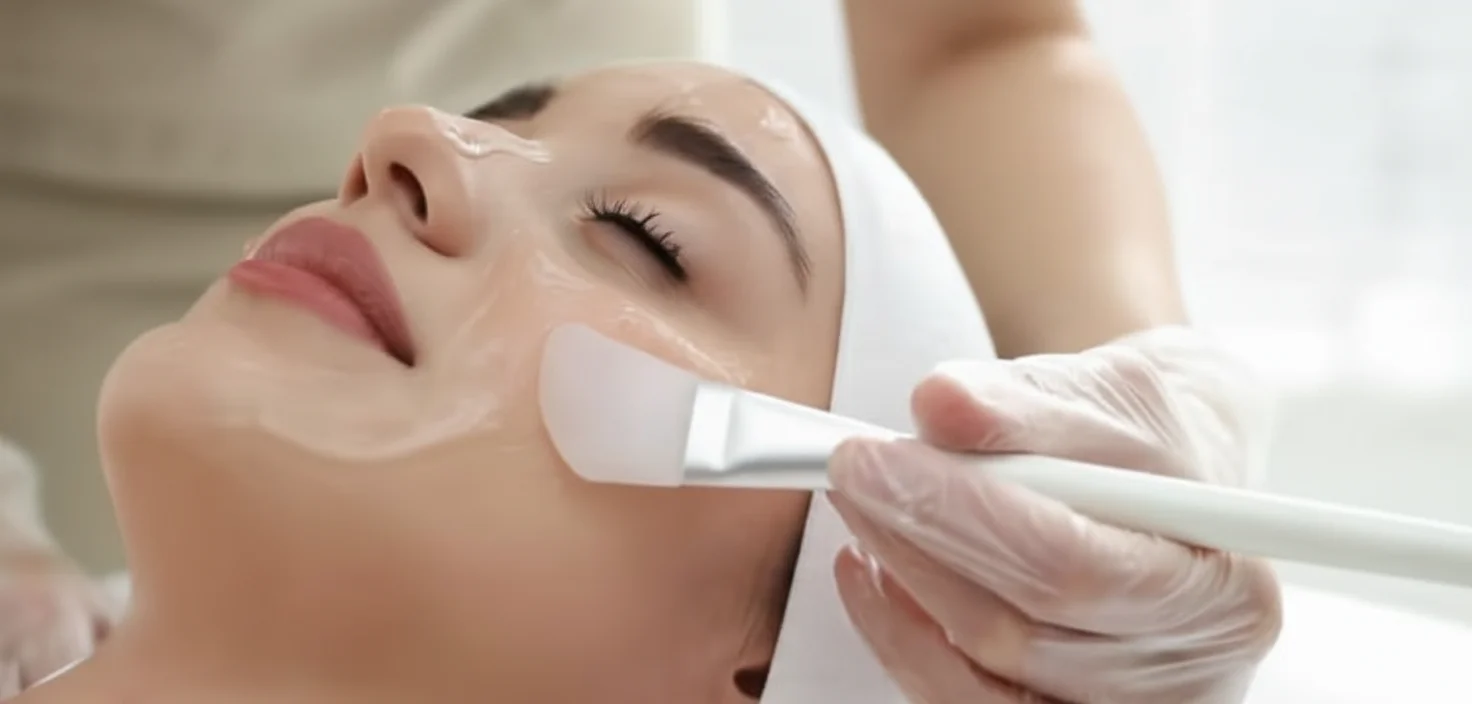
Medical skin care is a deep care and treatment protocol applied under the supervision of a physician, using high-concentration active ingredients (professional peels, serums, vitamin cocktails) and medical devices (hydrodermabrasion, oxygen therapy) formulated according to skin types and problems (acne, blemishes, sensitivity, aging) with dermatological knowledge. These procedures aim to stimulate not only the surface of the skin but also the dermis layer, initiating renewal and repair at the cellular level.
Differences Between Medical Skin Care and Classic Skin Care
The main difference between the two approaches is the depth of application, the concentration of the products used, and the expertise of the person performing the procedure. Medical care focuses on “treatment” of skin problems, while classic care focuses more on “comfort” and “hygiene”.
| Features | Medical Skin Care | Classic Skin Care |
|---|---|---|
| Application Authority | Under the supervision of physicians and medical aestheticians | Beauty specialists |
| Products | High concentration professional actives (TCA, high AHA/BHA) | Low concentration, cosmetic products |
| Target Depth | Dermis and Epidermis sublayers | Epidermis surface (Stratum Corneum) |
| Purpose | Acne, Blemish, Wrinkle “Treatment” | Cleansing, Moisture and Surface Vitality |
Skin Analysis and Personalized Care Planning
Medical care begins with accurate diagnosis. Skin cannot be classified simply as “oily” or “dry”. In our polyclinic, with advanced skin analysis devices, the skin’s moisture level, sebum balance, melanin density (blemishes), pore size, vascular structure and elasticity level are objectively measured. Based on this analysis, active substances and protocols tailored to the individual’s needs are determined, taking into account the person’s age, lifestyle and hormonal status.
What are the Steps in Medical Skin Care?
A standard medical skin care treatment includes the necessary steps for deep skin repair:
- Deep Cleansing: Makeup, dirt, and oil phases are removed from the skin’s surface.
- Toner Application: The skin’s pH balance is adjusted.
- Vacuum Hydrodermabrasion: The skin’s surface is exfoliated with water-based solutions, and pores are cleaned.
- Ozone / Steam: Pores are opened, and the skin is softened.
- Comedone Removal: Acne and blackheads are carefully removed with sterile instruments and by hand.
- Professional Peeling Application: Cellular renewal is achieved by applying chemical peels (glycolic, salicylic, lactic acid) specific to the skin problem. is triggered.
- Serum Application: Intensive serums containing vitamin (C), antioxidants, or hyaluronic acid are infused under the skin with the help of oxygen or ultrasound devices.
- Mask and Cold Application: Therapeutic and soothing medical masks are applied, followed by a cold hammer/cryotherapy to calm the skin.
- Protection: The procedure must be completed with a high-factor sunscreen.
Deep Cleansing and Pore Purification
This is a critical stage of medical skin care. Sebum, makeup residue, and dead cells accumulated in the pores are the main cause of acne and blackhead formation. In addition to the steam application in classic care, special vacuum devices and lipophilic (oil-loving) peeling agents such as salicylic acid dissolve the blockage inside the pores and deeply cleanse the skin without irritation. This cleansing allows the skin to breathe.
Medical Care Protocols Applied According to Skin Type
Every skin is unique, and protocols are designed accordingly.It varies:
Oily/Acne-Prone Skin: Salicylic Acid (BHA) based peels, sebum-balancing serums, and high-frequency treatment to control the bacterial environment.
Dry/Dehydrated Skin: Strengthening the skin barrier with intensive hyaluronic acid, lactic acid peels (moisture-retaining), and ceramide supplements.
Blemished Skin: Suppressing melanin production with protocols containing glycolic acid, kojic acid, vitamin C, and tranexamic acid.
Sensitive Skin: Repairing the skin barrier with enzyme peels, anti-inflammatory ingredients (chamomile, green tea), and low-concentration components.
Medical Skin Care for Acne and Blackhead Management
Medical skin care is one of the fundamental building blocks of acne treatment. Acne is caused by the growth of P. Acnes bacteria, excessive sebum, and clogged pores. With salicylic acid and special cleansing methods, pores are opened, comedones are cleaned in a sterile environment, and bacteria are disinfected with high frequency. Regular sessions break the acne formation cycle and prevent the appearance of new acne lesions.
Peeling Applications and Skin Renewal
Chemical peels are the differentiating components of medical skin care. These agents remove the upper layer of the skin in a controlled manner, allowing a fresh and radiant layer to emerge from underneath. This peeling process not only removes dead cells but also stimulates fibroblasts in the dermis layer, triggering the production of new collagen and elastin. The depth of the peel can only be adjusted under the supervision of a physician.
Reducing the Appearance of Blemishes with Medical Skin Care
Superficial blemishes (epidermal blemishes) can be significantly lightened with medical peels and special blemish-lightening serums. Glycolic acid removes the blemish pigment (melanin) from the skin, while substances such as Vitamin C and Tranexamic acid prevent the formation of new melanin. Regular and protocol-based treatments help to even out skin tone over time.
Treatment Methods That Support Collagen Production
Collagen is responsible for the firmness and elasticity of the skin. In medical care, agents that increase collagen production, such as Vitamin C, Retinol derivatives, and Peptides, are delivered to the lower layers of the skin using technologies such as radiofrequency, ultrasound, or oxygen injection. In addition, the controlled trauma created by chemical peels also biologically stimulates collagen synthesis.
How to Perform Medical Skin Care on Sensitive Skin?
Sensitive skin is a condition where the skin barrier is weakened and reacts easily. Aggressive cleansing and irritating acids should absolutely not be used on this skin type.
Protocol: Very gentle cleansers, enzyme peels with soothing ingredients, or low concentrations of lactic acid. Intensive moisturizing, B3 (Niacinamide), and soothing masks are applied to areas with redness and capillaries. The goal is to repair the barrier.
Medical Skin Care and Moisture Balance
Moisture is key to skin health. The skin’s natural moisture-retaining factors (NMFs) decrease over time. High molecular weight Hyaluronic Acid serums and Ceramides, which mimic the moisture barrier, used in medical care, penetrate the deep layers of the skin, increasing the moisture reserve. This significantly improves skin firmness and plumpness.
Anti-Aging Medical Skin Care Protocols
Anti-aging protocols are based on preventing the deepening of wrinkles and maintaining skin elasticity:
1. Deep penetration of powerful antioxidants such as retinol and vitamin C is ensured.
2. Fibroblast activity is stimulated with peptide-based serums.
3. Tightening of collagen bands is achieved by heating the skin from below with devices such as radiofrequency.
Methods for Strengthening the Skin Barrier
A healthy skin barrier protects the skin from external factors (pollution, bacteria) and prevents moisture loss. In medical treatments, special masks and serums containing ceramides, essential fatty acids, and niacinamide (vitamin B3) are used to repair the skin barrier. Irritation is avoided during the procedure, and care is taken to maintain pH balance.
How Many Sessions of Medical Skin Care Should Be Done?
Medical care should be done as a “course”. A single session provides immediate cleansing and revitalization. However, regular courses are necessary for cellular renewal (collagen production) and the elimination of problems (spots, acne):
General Care: 4-6 sessions at intervals of 4-6 weeks.
Intensive Acne/Spot Treatment: 6-10 sessions at intervals of 2-3 weeks.
After the course is completed, maintenance care is recommended every 3 months to maintain the results.
Changes Seen in the Skin After Medical Skin Care
The skin immediately revitalizes and brightens after the procedure.
– Mild redness and sensitivity may be seen in the first 24 hours.
– Short-term swelling may occur in areas where deep cleansing has been performed.
– Micro-level or significant peeling may be observed on the skin after peeling 2-5 days.
Post-Procedure Precautions
Things to Do
- Sun protection is ESSENTIAL. SPF 50+ creams should be reapplied for the first week.
- Avoid environments that cause excessive sweating, such as hot baths, saunas, and Turkish baths, for the first 24 hours.
- If there is redness, do not use makeup products that will irritate the skin.
- Repairing and soothing creams recommended by the doctor should be used regularly.
- Aggressive products that will peel or irritate the skin (Tretinoin, strong acids) should not be used for 3-5 days.
Medical Skin Care and Skin Tone Equalization
Skin tone unevenness (hyperpigmentation, redness) is one of the main goals of medical care. Peels remove dead and pigmented cells, making the skin look more homogeneous. In addition, while soothing components are used for capillary-related redness, special combined protocols are applied for deep spots such as melasma.
Combined Applications: Dermapen, Mesotherapy, PRP
Medical skin care prepares the skin for other dermatological procedures and enhances results:
Skin Care + Dermapen: After cleansing, Dermapen is applied to the skin to maximize collagen production and treat scars and pores.
Skin Care + Mesotherapy/PRP: After the treatment, cellular nourishment is provided by injecting revitalizing vitamin cocktails or PRP (Platelet Rich Plasma) into the skin, which has opened pores and is ready for absorption.
Is Medical Skin Care Possible During Pregnancy?
During pregnancy and breastfeeding, strong chemical peels (Salicylic Acid, Retinol) and high-energy devices that can affect the skin should not be used. Only gentle, natural-ingredient protocols that support the skin barrier and provide intense hydration can be applied during this period, with physician approval. Caution should always be exercised to prevent potential risks.
Special Medical Care Solutions for Oily Skin
Oily skin has high sebum production. Protocols used in this case include:
1. Intrapore cleansing with Salicylic Acid.
2. Serums containing Niacinamide and Zinc to balance sebum.
3. Special device applications targeting sebum glands, if needed.
Suitable Protocols for Dry and Sensitive Skin
The main goal for dry and sensitive skin is to moisturize the skin and repair the protective barrier. Instead of Glycolic Acid, more moisturizing Lactic Acid peels or Enzyme peels are applied to these skin types. Products containing alcohol and perfume are strictly avoided. Moisture is added to the skin with masks containing high levels of Hyaluronic Acid and Ceramides.
Medical Skin Care Prices and Influencing Factors
Pricing varies depending on the professional brand and concentration of products used, the type of technological devices used in the procedure (e.g., Hydrafacial or Oxygen Therapy), the duration of the application, and the number of sessions performed. Due to Ministry of Health regulations, it is not appropriate to provide price information on the website. Detailed information is provided after a personalized treatment plan is created.
Supporting Results with an At-Home Skin Care Routine
The longevity of medical skin care largely depends on the routine maintained at home. Regular use of cleansers, toners, serums, and sunscreens recommended by the physician maintains the improvement achieved in the clinic. Products such as retinol and Vitamin C, in particular, keep the skin active between medical treatments and support collagen synthesis.
Things to Know Before Getting Medical Skin Care
Medical skin care is not a luxury, it’s a necessity for your skin health.
– Ensure that the products used are approved and from professional series.
– Avoid skin irritation treatments such as hair bleaching or waxing for 3 days prior to the procedure.
– If you are using strong acne medications such as Roaccutane (isotretinoin), wait at least 6 months after stopping the medication.