
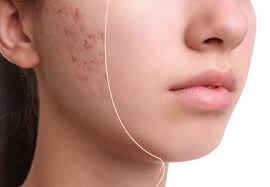
Skin Spot Treatment in Izmir
Skin spots are color irregularities in skin tone and are one of the most common dermatological problems negatively affecting skin health and aesthetic appearance. This condition occurs as a result of the excessive production and accumulation of melanin, the skin’s color pigment, in certain areas (hyperpigmentation). Spot treatment is a comprehensive dermatological process that requires understanding the type, depth, and cause of the spot, rather than a superficial whitening procedure. As Izmir Private Demiderm Polyclinic, we focus not only on the results but also on the underlying causes of spots, offering personalized treatment protocols based on scientific data, ranging from chemical peels to spot mesotherapy and advanced laser technologies.
What is Spot Treatment?
Spot treatment (Hyperpigmentation Management) is a set of medical procedures aimed at balancing pigment production, removing existing pigmentation from the skin, and evening out skin tone by targeting areas where melanin pigment, which gives the skin its color, has accumulated irregularly and excessively. Treatment usually involves lasers, chemical agents that cause pigment breakdown, and vitamin supplements that support cell regeneration.
Why Do Skin Spots Occur?
The formation of skin spots is a result of the skin’s self-protection mechanism, but this mechanism can sometimes be disrupted:
- Sunlight (UV Exposure): Melanin is produced to protect the skin from UV ray damage. Excessive and unprotected sun exposure triggers melanin production, leading to localized spots.
- Hormonal Changes: Pregnancy (Melasma), birth control pills, or certain hormonal disorders can stimulate melanin-producing cells (melanocytes).
- Inflammation: Acne, eczema, cuts, burns, or aggressive procedures can leave a dark mark on the skin as it heals (Post-Inflammatory Hyperpigmentation – PIH).
- Genetic Predisposition: Some skin types (especially those with darker or olive skin) are more prone to spot formation.
- Medication Use: Some antibiotics, antidepressants, or chemotherapy drugs can increase sensitivity to the sun, triggering spot formation.
Effective Treatment for Sun Spots Methods
Sunspots, also known as solar lentigo, are usually located in the upper layer of the skin (epidermal) and respond quickly to treatments. Treatment options:
- Superficial Chemical Peels: The dead and stained upper layer is peeled off in a controlled manner with glycolic acid, TCA, and Jessner solutions.
- Q-Switched Lasers: Targets and breaks down melanin pigment, allowing the body to clear it.
- Lightening Creams: Supportive treatment with agents containing hydroquinone, tretinoin, or azelaic acid under physician supervision.
Melasma (Pregnancy Spot) Treatment Options
Melasma is a type of persistent, deeper (dermal) spot triggered by a combination of hormonal and sun factors, usually seen on the cheeks, forehead, and upper lip. The goal in melasma treatment is not to completely eliminate the pigment, but rather to keep the pigmentation activity under control:
- Tranexamic Acid: It intervenes in the process of spot formation by being used both orally (by mouth) and locally with mesotherapy.
- Laser and Light Therapies: Low-energy devices such as Q-Switched and Pico Laser are used in a controlled manner. High heat should be strictly avoided.
- Combined Peels: Peeling systems specifically formulated for melasma, providing slower and more controlled exfoliation, are preferred.
Post-Inflammatory Hyperpigmentation (Acne Scar) Treatment
PIH are dark spots or marks left behind after the skin becomes inflamed. They usually occur after acne, insect bites, or dermabrasion. The aim of treatment is to soothe the skin and remove pigment:
- Azelaic Acid and Niacinamide: Both lighten the pigment and reduce inflammation.
- Spot Mesotherapy: Vitamin C and anti-inflammatory ingredients are applied directly to the targeted area.
- Superficial Peels: Pigment removal is accelerated with mild concentrations of glycolic and lactic acids.
Devices and Technologies Used in Spot Treatment
In modern spot treatment, technology is used to allow active ingredients to penetrate deep and break down the pigment in a targeted manner:
Laser Technologies: Melanin is broken down with special wavelengths such as Q-Switched Nd:YAG, Pico Laser and Fractional Laser. These devices emit heat and light specific to the spot.
IPL (Intense Pulsed Light): Especially effective for superficial sunspots and capillary redness.Used in cases accompanied by skin discoloration.
Radiofrequency (RF) Microneedling: Used to correct skin renewal and pigment distribution.
Chemical Peeling for Blemish Removal
Chemical peeling is an indispensable step in blemish treatment. Different acids are used depending on the skin type and the depth of the blemish:
Superficial (AHAs): Glycolic, Lactic, Mandelic Acid. Provides mild exfoliation and brightening.
Medium (Jessner, TCA): Effective on melasma and deeper blemishes. Controlled crusting and peeling are expected.
- Combined Peels: Special blends of stain-fighting agents such as Tranexamic acid, Phytic acid, Kojic acid.
How is Stain Mesotherapy Applied?
Spot mesotherapy is the direct injection of stain-lightening active substances (Vitamin C, Tranexamic Acid, Glutathione, B vitamins) into the affected area using micro-needles. This method allows the active components to reach the stain cells quickly and in high concentrations. It is an effective supportive treatment, especially in the treatment of Melasma.
Laser Applications in Stain Treatment
Lasers focus light energy on the melanin pigment, breaking the pigment into very small particles (Photoacoustic Effect). These particles are then cleared by the body’s immune system. Q-Switched and Pico Laser technologies hold an important place in modern stain treatment thanks to their ability to target only the pigment without damaging the surrounding healthy tissue.
Skin Type-Based Treatment Planning for Blemishes
Blemish treatment varies depending on skin color and type. Individuals with dark skin (Fitzpatrick IV-VI) should approach high-heat and irritating procedures such as lasers and deep peels with more caution. This is because inflammation in these skin types can cause new and darker spots (PIH). While more aggressive peels can generally be applied to those with light skin, those with dark skin use low-energy protocols with frequent sessions and anti-inflammatory agents such as Tranexamic Acid.
Skin Analysis Before Starting Blemish Treatment
Successful treatment of blemishes depends on accurate diagnosis. During skin analysis, the dermatologist uses Wood’s Light or special imaging devices to determine whether the blemish is located in the epidermis (superficial) or dermis (deep). This determination determines the concentration of the peel, the wavelength of the laser, and the duration of the treatment protocol.
How Many Sessions Does Spot Treatment Take?
Spot treatment is like a marathon; it’s not a sprint. The number of sessions depends on the depth and type of spot:
- Superficial Spots: Usually 3-5 sessions.
- Melasma and Deep Spots: May take 6-10 sessions or more.
Session intervals are usually 2-4 weeks. In spots that tend to become chronic, such as melasma, maintenance treatments may be necessary even after results are achieved.
Initial Effects Seen After Treatment
After laser and deep peeling, the spot may appear darker initially. This is due to the melanin being pushed to the surface and is expected. Within a few days to a week, the spot will begin to lighten with crusting and shedding. After mesotherapy, an immediate brightening and hydration may be felt.
Post-Treatment Skin Care
Post-treatment care is vital for maintaining the results and reducing the risk of side effects. The restorative and soothing creams recommended by your doctor should be used regularly. Since the skin will be sensitive, irritating products containing acids, alcohol, and perfumes should be avoided in the first few days.
The Importance of Sunscreen in Spot Treatment
Sunscreen is 50% of spot treatment. Even if you follow the best treatment protocol, without sun protection, the spots will return quickly. Broad-spectrum (UVA/UVB protected) SPF 30+ and higher sunscreens should be used not only in summer but also in winter, indoors and in enclosed spaces. Sunscreens with physical filters (Zinc Oxide, Titanium Dioxide) should be preferred.
Skin Tone Equalization with Spot Treatment
The overall goal of treatment is not just to lighten the spots, but to achieve a homogeneous and healthy tone across the entire skin. Lightening agents and peels are applied not only to the stained area but to the entire face to provide overall skin brightening and eliminate tone differences.
Modern Approaches to Permanent Stain Problems
In persistent and recurring stain problems such as melasma, instead of just eliminating the pigment, the focus is on the vascular component and inflammation that trigger stain formation. In this case, agents such as Tranexamic Acid, some lasers targeting blood vessels and inflammation, and Niacinamide, which repairs the skin barrier, are included in the protocols for long periods.
Treatment Ingredients Regulating Pigment Production
The main active ingredients used in treatments that balance pigment production (Melanogenesis) are:
- Tyrosinase Inhibitors: Kojic acid, ArbutinVitamin C. Inhibits tyrosinase, the main enzyme in melanin synthesis.
- Melanosome Transfer Inhibitors: Niacinamide (Vitamin B3). Prevents the transfer of pigment from melanocytes to skin cells.
- Keratolytics: Glycolic acid, Salicylic acid. Accelerates the removal of existing pigmented cells from the skin.
Side Effects and Safety Information for Spot Treatment
Spot treatments are controlled procedures, but some side effects may occur: Redness, mild swelling, peeling, and temporary sensitivity. To reduce the risk of side effects, tests appropriate to skin tone should be performed before the procedure, and the level of skin irritation should be constantly monitored.
Spot Treatment During Pregnancy and Breastfeeding
During pregnancy, melasma formation is very common, but the response to treatment is low due to hormonal changes. During this period, retinoids, hydroquinone, and some chemical peels are not used. Only physical sunscreens and safe, superficial ingredients like niacinamide are used to support the skin barrier. Aggressive treatments should be planned after childbirth and breastfeeding.
Seasonal Spots and Treatment Timing
Procedures that exfoliate and sensitize the skin, such as lasers and deep peels, are generally performed in the autumn and winter months when the sun is least intense. Spot mesotherapy and superficial treatments, however, can be applied year-round; however, even in summer, sun protection rules must be strictly followed.
Spot Treatment + Skin Care Combinations
It is difficult to treat permanent spots with a single method. In addition to main treatments such as laser, peeling, or mesotherapy, medical skin care cleanses pores, prepares the skin for absorption, and reinforces treatment results. This combined approach increases the success of spot treatment.
Permanence and Duration of Results in Spot Treatment
After the treatment course is completed, the results may be permanent, but repeated sun exposure, hormonal changes, or recurring inflammation can cause the spots to recur. Permanence depends on the individual’s discipline regarding sun exposure, the supportive products used at home, and the maintenance sessions determined by the physician.
Spot Treatment Prices and Influencing Factors
Pricing varies depending on the type of spot (melasma, sunspot), the depth of the spot, the brand and quality of the laser technology or peeling agent used, and the number of sessions determined. Due to Ministry of Health regulations, it is not appropriate to provide price information on the website. You can contact our polyclinic for a detailed analysis and personalized protocol.
Things to Know Before Starting Spot Treatment
Before starting spot treatment, it is important to know the following:
– Spot treatment is a process; it requires patience and regular participation.
– It is important to completely stop sunbathing 3 weeks before starting treatment.
– You must inform your doctor about all medications (including birth control pills) and vitamin supplements you are taking.
The content on this page is for informational purposes only. It does not constitute diagnosis or treatment. The treatment of skin blemishes should be determined by an analysis performed by a specialist physician, according to their type and depth.