Alidya and Cellulite Treatment
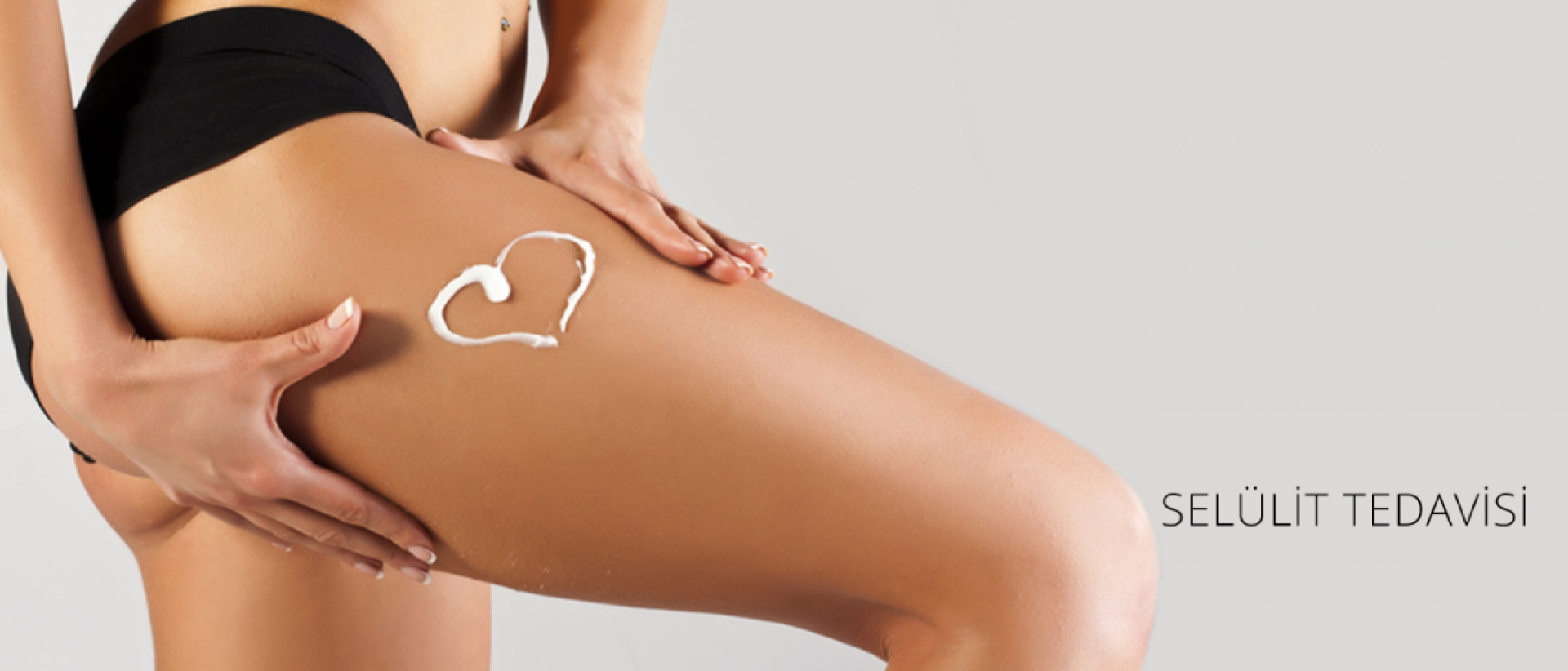
In the field of modern dermatology and medical aesthetics, the problem of cellulite, which affects a large majority of women and is called “Panniculopathy Edemato Fibro Sclerotica” (PEFS) in medical literature, is more than just an aesthetic concern; it is a complex condition characterized by impaired microcirculation of the subcutaneous tissue. As İzmir Private Demiderm Polyclinic, we approach skin health from a holistic and medical perspective. It is not possible to create the correct treatment protocol without understanding the biochemical processes underlying cellulite formation. In this comprehensive guide, we will address the subject with all its scientific details, from the pathophysiology of cellulite to the mechanism of action of Alidya injection, from the importance of the lymphatic system to dietary regimens.
What is Alidya and Cellulite Treatment?
Cellulite treatment is a general term for medical procedures aimed at regulating the structure, circulation, and relationship of subcutaneous fat tissue with connective tissue. Alidya, one of the most innovative medical agents developed in this field, is the world’s first injectable medical device specifically formulated for cellulite treatment and CE certified. Developed by Dr. Pasquale Motolese, this formulation is based on the theory of “iron toxicity,” which is considered one of the main causes of cellulite formation.
Alidya is not a classic fat-melting (lipolysis) process. Instead, it aims to change the biochemical environment that prepares the ground for cellulite formation. Thanks to the amino acids and chelating agents it contains, it aims to neutralize toxic substances that infiltrate between tissues and cause inflammation, alkalize the tissue (maintain pH balance), and reorganize microcirculation. This approach is based on the principle of combating not only the visible orange peel appearance, but also the cellular damage that causes this appearance.
Why Does Cellulite Form? Pathophysiological Foundations
Cellulite formation is a multifactorial process that cannot be reduced to a single cause. Genetic predisposition, hormonal imbalances, circulatory system disorders, and lifestyle factors combine to lead to structural changes in the subcutaneous tissue. The basic mechanism works as follows:
Subcutaneous fat cells (adipocytes) are located in compartments between connective tissue septa (walls). When circulatory disorders begin, the permeability of the vessels in this area increases, and fluid begins to seep into the tissue (edema). This edema impairs the nutrition and oxygenation of fat cells. Over time, the fluid between the tissues becomes toxic, and the connective tissue hardens (fibrosis), beginning to pull the skin downwards. At the same time, the expanding fat cells push the skin upwards. This “pull and push” force creates the bumpy, orange peel-like appearance on the skin’s surface.
The Role of Iron Ions and the Fenton Reaction
One of the most discussed topics in recent years regarding cellulite formation is the iron theory proposed by Dr. Motolese. Due to circulatory disorders, red blood cells that leak from capillaries into the tissue break down and release “Hemosiderin” (iron). Iron is a highly toxic substance that triggers the formation of free radicals (Fenton reaction) in the tissue. These free radicals cause chronic inflammation in the tissue. To limit this inflammation, the body surrounds the area with fibrotic tissue. This is one of the main factors that cause cellulite to progress and harden. Alidya’s main goal is to bind this toxic iron and remove it from the tissue.
Stages of Cellulite and Skin Changes
Cellulite is not a condition that develops overnight; it follows a progressive process. In clinical evaluation, cellulite is examined in four main stages, and the treatment protocol is determined according to this stage.
- Stage 0 (Normal Skin): The skin surface is smooth when standing or lying down. Even when the skin is compressed, an orange peel appearance does not occur.
- Stage 1 (Edema Stage): The skin appears smooth when standing or lying down. However, the tissue has begun to retain water at a microscopic level. Slight irregularities may be visible when the skin is compressed. At this stage, the patient usually feels heaviness and fatigue in their legs.
- Stage 2 (Early Fibrosis): Slight ripples may be noticeable when standing, and the skin becomes smooth when lying down. Fat cells under the tissue have begun to cluster, and the connective tissue has begun to harden. A slight paleness and coldness in skin color may be observed.
- Stage 3 (Micronodular Stage): The orange peel appearance is prominent when standing. This appearance decreases when lying down, but does not completely disappear. Small nodules (lumps) are felt under the skin. Circulatory problems are evident.
- Stage 4 (Macronodular Stage): Depressions and depressions in the skin are present both when standing and lying down.The swellings are very clear. The nodules are enlarged and hardened. The tissue may be painful on palpation (manual examination). Skin circulation is severely impaired and the skin is cold.How Does Alidya Cellulite Treatment Work?Alidya acts as an “anti-lipodystrophic” agent in cellulite treatment. Its mechanism of action is aimed at reversing the pathological processes mentioned above. Thanks to the branched-chain amino acids, osmotic agents, and chelating agents in its formulation, it provides multifaceted improvement.
Biochemical Mechanism of Action of Alidya
Chelation Effect: It neutralizes hemosiderin (iron) molecules that accumulate in the tissue and cause inflammation by binding them (chelation). This reduces the toxic load in the tissue.
- Alkalization: It neutralizes the tissue pH, which has become acidic due to chronic inflammation, bringing it to a basic (alkaline) level. An alkaline environment is necessary for the healthy functioning of cells.
- Microcirculation Support: It supports capillary circulation, increasing tissue oxygenation and directing edema to the lymphatic system.
- Antioxidant Effect: It helps repair cellular damage caused by free radicals.
How Does the Treatment Process Work?
At Izmir Private Demiderm Polyclinic, Alidya application is performed within the framework of standard medical protocols, under hygienic conditions and under the control of a physician. The process consists of the following steps:
1. Consultation and Analysis: In the first stage, the patient’s cellulite stage, skin structure and medical history are evaluated. The type of cellulite (edematous, fibrotic, etc.) is determined, and the patient’s expectations are aligned with medical realities.
2. Preparation: The area to be treated (usually legs, hips, buttocks, or abdomen) is cleaned with antiseptic solutions. Local anesthetic creams can be applied if necessary for the patient’s comfort, but the procedure is generally well tolerated as it is performed with very fine needles.
3. Injection (Mesotherapy Technique): Alidya solution is injected in small doses into the dermis and hypodermis layers of the skin (4-6 mm deep) using a technique called “mesotherapy.” The procedure takes an average of 20-30 minutes, depending on the size of the treatment area.
4. Completion: After the procedure, a light massage is performed on the treatment area to ensure even distribution of the solution, and the patient can return to their daily life.
Who is it suitable for?
Alidya treatment is suitable for adult individuals with cellulite problems who are in good general health. It is especially suitable for:
- Those with early and middle stage (Stages 1, 2, and 3) cellulite problems,
- Those who cannot get rid of localized rough appearance despite diet and exercise,
- Patients who experience irregularities (wavyness) on the skin surface after surgical procedures such as liposuction,
- Individuals with edematous cellulite and who feel heaviness in their legs,
It is an ideal option for these individuals. However, treatment may not be applied to individuals who are pregnant, breastfeeding, have an active skin infection, uncontrolled diabetes, or have serious autoimmune diseases, following a physician’s evaluation.
Types of Cellulite: Soft, Hard, and Edematous Cellulite
Success in cellulite treatment begins with accurate diagnosis. Not all cellulite is the same, and their responses to treatment vary. Alidya is particularly effective in edematous and fibrotic cellulite.
Soft Cellulite: Usually seen in areas where muscle tone is weak. The skin is loose and jiggles with movement. It can be seen with sagging due to weight gain and loss. The appearance changes due to the effect of gravity.
Hard (Compact) Cellulite: Usually seen in young people and those who exercise. The tissue is tight and adheres to the skin. When squeezed by hand, the orange peel appearance becomes clear. It is usually painful and may be resistant to treatment.
Edematous Cellulite: This is one of the least common but most serious forms. It is accompanied by general swelling (water retention) in the legs. A mark may remain when pressed with a finger. Circulatory disorders are prominent and cause pain in the legs. This is one of the main groups targeted by Alidya.
Comparison of Alidya with Other Cellulite Treatments
There are many technologies and methods used in cellulite treatment. To understand the difference between Alidya and other methods, you can examine the comparison table below:
| Features | Alidya Injection | Radiofrequency / Laser Devices | Lymphatic Drainage Massage | Topical Creams |
|---|---|---|---|---|
| Mechanism of Action | Biochemical (Toxin removal, pH balancing) | Thermal (Heat tightening and fat breakdown) | Mechanical (Accelerating lymph flow) | Superficial (Moisturizing and temporary tightening) |
| Target | Tissue quality, iron toxicity, edema | Connective tissue tightening, fat volume | Edema removal | Epidermis (Skin surface) |
| Potential for Permanence | High (Treatment targeting the cause) | Medium (Maintenance sessions required) | Short (Requires continuous repetition) | Low (Disappears when use is discontinued) |
| Pain Level | Mild (Needle insertion) (perceptible) | Sense of heat | Comfortable | None |
The Role of Lymphatic Circulation in Cellulite Formation
The lymphatic system is like the body’s “sewer system.” It collects waste products, toxins, and excess fluid between cells and returns them to the bloodstream or allows them to be eliminated from the body. Lymphatic system insufficiency plays a critical role in cellulite formation. If lymphatic drainage slows down, fluid accumulates between tissues (edema). This accumulated fluid becomes concentrated in protein over time and causes hardening of the tissue (fibrosis). Alidya treatment helps to relieve the burden on the lymphatic system by regulating the osmotic pressure of the tissue. However, it is essential for patients to drink plenty of water and exercise during the treatment process to support lymphatic flow.
How are the Number of Sessions and Treatment Planning Done?
Alidya treatment is not a one-time procedure, but a cumulative process. The number of sessions is planned individually by the physicians at Izmir Private Demiderm Polyclinic according to the patient’s cellulite stage, age, and tissue structure. The general protocol is as follows:
- Average Number of Sessions: A course of 7 to 12 sessions is generally recommended.
- Session Interval: Applications are planned to be once a week.
- Maintenance Treatment: After the course is completed, a booster session every 3-4 months or a short course once a year may be recommended to maintain the results obtained.
Which Areas Can Alidya Treatment Be Applied To?
Alidya can be safely used on almost any body area where cellulite is visible. The most common application areas are:
- Back and sides of the upper thigh (hip area)
- Buttocks area
- Front of the upper thigh
- Above and inside of the knee
- Abdominal area (especially in cases of fluctuations due to circulatory disorders)
- Upper arms
Possible Side Effects Seen After Application
Alidya is a biocompatible substance and the risk of serious side effects is quite low. However, as with any injection procedure, temporary reactions may occur at the application site:
- Bruising (Ecchymosis): Small bruises may occur at the needle insertion sites. This condition is completely temporary and will disappear on its own within a few days.
- Redness and Swelling: Mild redness and swelling may be seen immediately after the procedure, usually subsiding within hours.
- Tenderness: Mild tenderness may be felt upon touch in the application area.
Preparations to be Made Before Treatment
For a successful treatment process, it is important for the patient to be ready for the procedure:
- If blood-thinning medications (aspirin, etc.) are being used, discontinuing them a few days before the procedure under the supervision of a physician reduces the risk of bruising.
- Comfortable clothing should be preferred on the day of the procedure.
- It is recommended to avoid alcohol consumption before the procedure, as alcohol can increase edema and facilitate bleeding.
Post-Treatment Considerations
To increase the effectiveness of the treatment and minimize side effects, post-procedure There are some rules to follow:
Avoid excessively hot environments such as hot baths, saunas, and Turkish baths within the first 24 hours after the procedure. Such environments can dilate blood vessels and increase edema. Also, it is recommended to refrain from strenuous sports activities on the first day. Direct exposure to sunlight should be avoided, and if bruising occurs, sunscreen should be used; otherwise, there is a risk of permanent discoloration. Drinking plenty of water is an integral part of the treatment, as it accelerates the elimination of toxins from the body.
When Do Alidya Results Begin to Be Seen?
While results in Alidya treatment vary from person to person, noticeable improvement is generally observed after the 3rd or 4th session. Frequently reported effects from patients include a reduction in skin surface irregularities, a brighter and firmer appearance of the skin, and a lessening of the feeling of heaviness in the legs. For the full results to be seen, the course of treatment must be completed and the tissue healing process (remization) must be awaited.
The Permanence of Alidya Treatment and Necessary Follow-up Sessions
Cellulite is a chronic condition prone to recurrence. No treatment method claims that cellulite will never reappear for life.It cannot be reversed. The improvement achieved with Alidya treatment can be maintained for a long time depending on the patient’s lifestyle. However, hormonal changes, weight gain, inactivity, and genetic factors can trigger the formation of new cellulite over time. Therefore, maintaining healthy eating and regular exercise habits after treatment is vital for the permanence of the results. Maintenance courses performed once a year help keep the condition stable.
Differences in Alidya Effects According to Skin Type
Skin thickness, elasticity, and color can affect the course of treatment. In individuals with thin skin and loss of elasticity, the appearance of cellulite is more pronounced, and additional skin tightening protocols may be required in addition to treatment. In individuals with thick skin, the results may camouflage more quickly. In analyses performed at Izmir Private Demiderm Polyclinic, considering the state of skin elasticity, Alidya treatment is combined with other medical aesthetic applications if necessary to achieve more satisfactory results.
The Impact of Nutrition and Lifestyle on Treatment
Alidya alone is not a “magic wand.” It is a supportive medical treatment. Lifestyle changes are essential for the success of the treatment. An anti-inflammatory diet, known as the cellulite diet, should be adopted. Avoiding sugar and refined carbohydrates, reducing salt intake (to prevent edema), consuming fiber-rich foods, and drinking at least 2-3 liters of water a day significantly increases the effectiveness of the treatment. Furthermore, smoking is one of the biggest factors negatively affecting cellulite treatment because it impairs microcirculation and reduces tissue oxygenation.
The Climate of Izmir and its Effects on Skin Health
In hot and humid climates like Izmir, especially during the summer months, edema complaints may increase due to vasodilation. This can make the appearance of cellulite more pronounced. Therefore, it is advantageous for our patients living in Izmir to pay extra attention to their lymphatic circulation, apply cooling treatments in hot weather, and plan microcirculation-regulating treatments such as Alidya during seasonal changes in terms of skin quality.
Conclusion
Cellulite is not an insurmountable fate, but a manageable skin health problem. Alidya treatment is a powerful medical tool in this management process with its scientific approach that gets to the root of the problem. As Izmir Private Demiderm Polyclinic, we are with you in cellulite treatment with a patient-centered approach, adhering to ethical values and based on scientific data. Having a detailed analysis done at our polyclinic to create a treatment plan suitable for your skin type is the first and most important step in the process.