
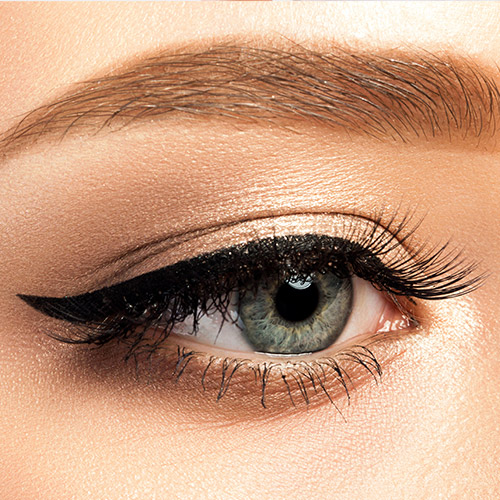
Izmir Permanent Eyeliner and Dipliner
The eyes are the focal point of facial expression, where communication begins and emotions are most clearly reflected. Eyeliner and dipliner applications, indispensable in daily makeup routines, are frequently preferred to add depth to the gaze, make lashes look fuller, and accentuate the eye shape. However, applying symmetrical eyeliner every morning and preventing it from smudging or fading throughout the day can be challenging in the fast-paced modern life. Izmir’s humid and hot climate is also one of the factors that negatively affects the longevity of eye makeup. As Izmir Private Demiderm Polyclinic, we offer “Permanent Eyeliner” and “Dipliner” applications that combine aesthetics and comfort, with our expertise in micropigmentation and hygiene standards. In this comprehensive guide, we will detail all stages of permanent eye makeup, from technical details to pigment selection, healing processes, and style suggestions.
What is Permanent Eyeliner?
Permanent eyeliner is a procedure where natural and hypoallergenic pigments are injected into the skin just below the epidermis layer (dermal-epidermal junction) along the lash line on the upper eyelid using sterile micro-needles. This process differs from classic tattooing. While tattoo dyes penetrate deeper and aim for lifelong permanence, permanent makeup (micropigmentation) is more superficial and is a semi-permanent procedure that slowly fades from the skin over time. The main goal is to create an aesthetic illusion that looks well-groomed at all times, camouflages conditions such as drooping eyelids, and makes the lash line appear denser.
How is Permanent Eyeliner Applied?
The application is a combination of artistic vision and technical precision. The process begins with determining the design suitable for the person’s facial anatomy. Special permanent makeup devices adjust the speed and depth of the needle’s entry and exit from the skin with millimeter precision. In this way, the pigment is deposited under the skin in a controlled manner. Because the eyelid is delicate during the procedure, comfort is ensured using special stretching techniques and anesthetic solutions. The procedure involves the homogeneous placement of pigment using “scanning” or “dotting” techniques.
Differences Between Permanent Dipliner and Eyeliner
These two terms, often confused by our clients, actually differ in terms of application area and intended result:
| Features | Permanent Dipliner | Permanent Eyeliner |
|---|---|---|
| Application Area | Applied only to the lash line, between the lashes. | Starts from the lash line and extends over the eyelid. |
| Look | Provides a natural, “no-makeup but defined” look. | A defined makeup look, winged or thick It’s possible. |
| Purpose | To make eyelashes look fuller and darker, adding depth to the gaze. | To change the shape of the eyes (to make them look slanted), to reduce the makeup routine. |
| Suitability | Suitable for all eye structures and all ages. | Requires design according to eyelid width and structure. |
Who is a Suitable Candidate for Permanent Eyeliner?
Permanent eye makeup is suitable for many people who are looking for practical solutions beyond aesthetic concerns:
- Those who don’t want to waste time applying eyeliner every morning.
- Those who have difficulty applying makeup because of poor eyesight (hyperopia/astigmatism) or hand Those who experience eyelash twitching.
- Those with sparse or light-colored eyelashes who want a fuller lash look.
- Athletes or those with busy schedules who are bothered by their makeup smudging.
- Those with allergies to cosmetic products (eyeliner, mascara).
- Those with droopy eyelids who want to make their eyes look more lifted.
Types of Permanent Eyeliner: Thin, Winged, Dipliner
Every eye shape and every person’s style is different. Therefore, personalized designs are preferred instead of a single type of application:
Classic Eyeliner: This is a model that starts from the inner corner of the eye and thickens slightly towards the end, with a slightly winged tip.
Babyliner: This is a short-winged model with a very thin and elegant finish, between dipliner and classic eyeliner.
Stardust (Shaded) Eyeliner: This is a modern technique that provides a smoky and shaded finish, like eyeshadow, instead of a sharp line.
Dipliner: This is the most natural application, following only the lash line without a wing.
Eyeliner Design According to Eye Structure
The secret to a successful application is correctly analyzing the eye structure.
Drooping Eyelids: Thick and long winged styles should be avoided, as the wing may break in the crease. A thin dipliner with a slightly upward-pointing tip is preferred.Sunken Eyes: Very thick eyeliners can make the eyes feel even more subdued. Thin and shiny black shades should be preferred.
Round Eyes: To make the eyes appear more almond-shaped (slanted), models that extend and thicken towards the outer corner are applied.
Close-Together Eyes: Application is not done to the inner corner of the eye; the intensity is given to the outer corners.
Pre-Procedure Preparation and Important Considerations
Alcohol consumption should be stopped 24 hours before the procedure, as alcohol thins the blood and can cause leakage and inability of the dye to adhere properly during the procedure. Those using blood-thinning medication should consult their doctor (if approved) and discontinue the medication. Patients who wear contact lenses must remove them and come with glasses on the day of the procedure. False eyelashes, if any, should be removed at least 3 days before the procedure.
Application Time and Procedure Stages
The average appointment time at Izmir Private Demiderm Polyclinic is 1.5 – 2 hours. The process includes the following steps:
- Consultation: Requests are listened to, and the eye structure is analyzed.
- Design (Preliminary Drawing): A draft is drawn with special pens, and patient approval is obtained. Symmetry is checked.
- Anesthesia: A special anesthetic cream is applied to the eyelid, and a 20-minute wait is observed.
- Application: The pigmentation process begins. Intermediate anesthetics may be used to prevent pain during the procedure.
- Finishing: The area is cleaned, and a protective cream is applied.
How to Create Natural-Looking Permanent Eyeliner?
The key to naturalness is the depth at which the pigment is injected into the skin and the quality of the dye used. In procedures that go too deep, the dye may spread (migrate) and turn dark blue. When worked at the correct depth (superficial), the color remains a clear black or dark brown. Also, not going too far outside the lash line and finishing the tail at an angle that suits the facial anatomy supports a natural look.
Personalized Eyeliner Design and Pigment Selection
Pigment selection is made according to the person’s skin tone, eye color, and lash color. Generally, “Carbon Black” based black pigments are used, but in very fair-skinned and blonde individuals, dark brown or anthracite tones may give a softer and more natural result. The pigments used at Demiderm Polyclinic are stabilized formulations that do not change color (turn blue/green) over time.
Permanent Eyeliner Aftercare and Healing Process
Golden Rules After the Procedure:
- Absolutely no water should come into contact with the eyes for the first 24 hours.
- Eye makeup (mascara, eyeshadow) should not be applied for the first 3 days.
- The thin scabs that form should not be removed by hand; they should be allowed to fall off naturally.
- A very small amount of the light-textured care cream recommended by the specialist should be applied with a cotton swab (it should not get into the eye).
- Turkish baths, saunas, steam rooms, and swimming pools should be avoided for the first week.
- The area should be protected from UV rays by using sunglasses.
Scabbing Period and Things to Watch Out For
On the 2nd and 3rd days after the procedure, slight scabs may appear at the base of the eyelashes. It is normal to see flaking and crusting. This is the skin’s healing process. When the crusts fall off (approximately 5-7 days), the color underneath may not be as dark as it was on the first day. In some places, it may even appear to have faded. This is called the “ghosting” phase. As the skin renews itself, the pigment will come to the surface and the color will settle. During this process, you should not panic and should never pick at the crusts.
How Long Does Permanent Eyeliner Last?
The duration of permanence varies depending on the person’s skin type (oily/dry), age, and metabolic rate. Eyelid skin is thin and holds pigment well. Generally, the lifespan of permanent eyeliner application is between 1.5 and 3 years. Pigment may be removed more quickly in oily skin, while it lasts longer in dry skin. Over time, the color may begin to fade and turn gray; in this case, a touch-up procedure is performed.
Touch-up Requirements and the Touch-up Process
A follow-up session (touch-up) approximately 4-6 weeks after the initial procedure is standard procedure. During the first session, the skin may shed some pigment or gaps may form during crusting. In the touch-up session, these gaps are filled, the color is reinforced, and the shape is clarified. Without a touch-up, the lifespan of the procedure may be shorter.
Pain and Sensitivity: What to Expect?
Because the eyelid is thin skin, concerns about sensitivity are common. However, the new generation topical anesthetics used largely numb the area. Our patients often describe the procedure as a “tickling” or “vibrating” sensation. Since the eyes are closed during the procedure, there is nothing to fear. There may be slight swelling (edema) and a feeling similar to crying after the procedure, which subsides within 24 hours.
Suitable Eyeliner Styles for People with Droopy Eyelids
For people with droopy eyelids, thick and long-winged eyeliner is suitable for the crease area.It disappears or appears broken. In this case, “Thin Dipliner” or “Half Eyeliner” techniques, where the tail is only slightly lifted at the outer corner, are applied. This makes the eye look more open and dynamic.
Is Permanent Eyeliner Safe? Possible Risks and Side Effects
It is a safe procedure when performed in sterile conditions, with disposable needles, and by expert personnel. Possible side effects are temporary: swelling, redness, and sensitivity. The risk of infection may occur if post-procedure care rules are not followed (touching with dirty hands, using old makeup). Pigment allergy is very rare. Hygiene and sterilization are kept at the highest level at Izmir Private Demiderm Polyclinic.
Effective Looks Without Makeup in Daily Life
Permanent eyeliner is the strongest part of the “No-Makeup Makeup” trend. When you wake up in the morning, while exercising, at the sea or pool; your eyes always look prominent and vibrant. It removes the pale expression from the face and gives the person self-confidence.
Saving Time with Permanent Eyeliner
Time is the most valuable asset of the modern woman. Applying eyeliner every morning, trying to achieve symmetry, and removing makeup in the evening is a serious waste of time. With permanent application, this time is yours. It also saves you money on makeup products in the long run.
Permanent Makeup Devices and Technologies Used
The technology of the device used directly affects the quality of the result. Professional devices with minimized vibration, constant stroke force, and needle cartridge systems (preventing backflow) ensure that the pigment is deposited without trauma to the skin. This reduces swelling and accelerates healing.
Permanent Eyeliner Prices and Influencing Factors
Pricing varies depending on the technique to be applied (Dipliner, Babyliner, Shaded Eyeliner), the quality of the pigment used, the difficulty of the procedure, and the experience of the specialist. Due to Ministry of Health regulations, it is not appropriate to provide price information on the website. You can contact our clinic for a personalized design and pricing.
Color Stability in Eyeliner Pigments
In the past, the dyes used in tattoos would turn blue or green over time. This was because the iron oxides in the dye reacted with the body and the dye penetrated very deeply (Tyndall effect). Thanks to the new generation pigments and superficial application technique used today, these color changes do not occur; the color only lightens, turns gray, and fades.
What Should Your Makeup Routine Be Like After Permanent Eyeliner?
After the procedure has completely healed (approximately 2 weeks), you can apply normal makeup. Permanent eyeliner creates a “base”. For special occasions, you can apply a thicker eyeliner or eyeshadow on top. However, you should be gentle when removing products such as mascara and eyeshadow, and avoid rubbing.
Application Recommendations for Those with Sensitive Eye Areas
For people with very sensitive eyes that water even in the wind, frequent breaks are taken during the application and drying is performed. Tears can make it difficult for the pigment to adhere. In such cases, the procedure may take longer or a second touch-up may be needed. Applying a cold compress after the procedure soothes sensitivity.
Things to Know Before Getting Permanent Eyeliner
This procedure is permanent and requires laser treatment to remove. Therefore, you should choose what suits your face, not what’s fashionable. Very thick, very long tails can deform over time and lose their shape as the eyelid droops. The ideal designs are natural ones that fill the lash line and slightly lift the eye.