
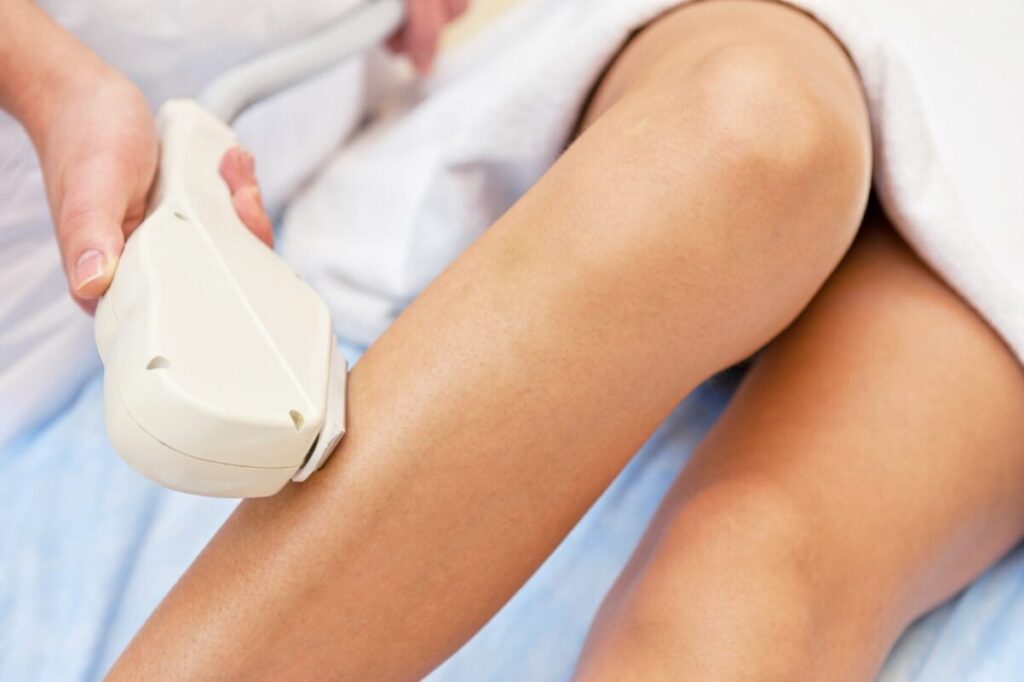
What Should Be Paid Attention to After Laser Hair Removal?
The question of what should be paid attention to after laser hair removal carries great importance for the process of getting rid of unwanted hair to proceed in a healthy and comfortable manner. Laser hair removal is based on the principle that beams focused on the color pigments in the hair follicles turn into heat energy, weakening the hair’s growth cycle through this. This thermal interaction leads to a certain increase in heat on the skin surface and in the layers beneath it, temporarily placing the tissue in a more sensitive position against external factors. The skin returning to its normal balance after the procedure, the repair of the moisture barrier, and the prevention of possible irritation risks are directly connected to the careful care routine the individual will apply in their daily life. Not only the technique applied during the session, but also the care shown to the skin afterward, plays a fundamental role in the process of achieving the targeted smooth appearance.
The steps to be taken after the application to support the skin’s structure serve as a guide for the individual to be able to continue their social life without interruption. Details such as limiting contact with heat from the first hours, ensuring protection from the wearing effects of sunlight, and preferring cosmetic products with suitable ingredients help the process proceed smoothly in its normal course. These steps, addressed with an informative and transparent approach, contribute to individuals getting to know their skin structure and carrying out their own care consciously. In this comprehensive guide, the supportive applications the skin needs after the procedure, habits that should be avoided, and all the details of interest are examined from every angle.
What Physiological Changes Can Be Observed on the Skin After a Laser Hair Removal Session?
The physiological changes that can be observed on the skin after a laser hair removal session emerge as a natural reflection of the heat energy the applied beams create in the hair follicles. As a result of the beams interacting with the color pigments beneath the skin, blood flow in the area increases, and a small-scale tissue reaction occurs around the hair follicles. This condition generally manifests itself as mild pinkness or redness (erythema) on the skin surface, along with tiny bumps at the base of the hair (perifollicular edema). This normal reaction the body develops against the applied heat is accepted as a natural sign that the process is actively working in the targeted area. Depending on the individual’s skin tone, hair thickness, and hair density, the level of noticeability of these changes can vary from person to person. In individuals with light skin and thick hair structure, since heat absorption is higher, these physiological reflections can be somewhat more visible.
This sensitive state that forms on the skin surface often lightens and disappears on its own within a few hours, without the need for intervention. In some sensitive skin structures, this process can be expected to spread over one or two days. What matters is protecting the skin against harsh interventions that could come from the outside during this repair stage. Using medical lotions that soothe the skin and strengthen the barrier greatly supports the reduction of redness and the feeling of tightness. Thanks to the body’s own capacity for self-renewal, this temporary effect on the hair follicles gives way to the normal skin appearance in a short time.
Post-Procedure Observed Conditions and Process Management
| Observed Condition | Cause of Occurrence | Recommended Approach |
|---|---|---|
| Mild Redness (Erythema) | Widening of the capillaries beneath the skin due to the heat energy the beams have converted into. | Medical soothing creams should be applied; the skin should be allowed to cool on its own. |
| Bump at the Base of the Hair (Edema) | The cellular response the hair follicle gives to the heat, and fluid gathering in the area. | The area should not be scratched; it generally subsides on its own within a few hours. |
| Feeling of Tightness and Dryness | The moisture on the skin surface instantly evaporating along with the applied heat. | The barrier should be supported with fragrance-free lotions containing intense moisturizing ingredients. |
Which Activities Are Recommended to Be Avoided in the First Twenty-Four Hours After the Procedure?
The reasoning behind the activities recommended to be avoided in the first twenty-four hours after the procedure rests on preventing the skin tissue, which has already been exposed to heat and has become sensitized, from encountering an additional heat or irritation factor. Laser beams create a certain increase in temperature in the hair follicles, and it takes a bit of time for this heat to move away from the tissues and return to the skin’s normal temperature. During this waiting period, it carries great importance to stay away from actions that directly heat and physically abrade the skin, such as entering a sauna, being in a steam room, bathing with extremely hot water, or having a scrub done. Additional heat applied from the outside can pave the way for pores to widen more than necessary and for irritation or localized redness on the skin surface to increase.
In addition to heat and physical friction, staying away from heavy sports activities that lead to sweating for the first day is also an approach recommended by specialists. Sweat, by nature, is a salty and acidic bodily fluid. Intense sweat coming into contact with skin that has undergone the procedure and has open pores can lead to a stinging sensation at the hair follicles or small breakouts due to bacterial growth. The individual spending the first day in a calmer manner, away from excessive heat and heavy physical fatigue, in cool environments, contributes to the skin’s repair process. Similarly, preferring loose, cotton clothing instead of tight-fitting, synthetic-content garments also helps prevent the negative effects that fabric rubbing against the skin could create.
Why Does Sun Protection Matter Greatly After Laser Hair Removal?
Sun protection after laser hair removal is among the most critical steps that must be taken to prevent permanent color changes (discoloration) on the skin. During the application, the beams produced by the device fulfill their function by interacting with the melanin (color) pigments in the skin. Following this procedure, the melanin cells beneath the skin are temporarily stimulated and shift into a more active state. If the skin is directly and unprotectedly exposed to the sun’s ultraviolet (UV) rays while in this sensitive stage, the melanin cells can overproduce, forming brown or dark-colored spots (hyperpigmentation) on the skin surface. Managing these discolorations that could arise can require a long time; for this reason, taking protective measures from the start is a great necessity.
To protect against the sun’s wearing effects, if the treated areas remain outside of clothing (such as the face, neck, arms, hands), it is recommended to use broad-spectrum sunscreens with at least 50 (SPF) protection factor before going outside, regardless of whether it is summer or winter. It is not enough to apply sunscreen only in the morning before leaving the house; since the protective effect decreases over the course of the day due to sweating, being wiped off, or time passing, renewing the cream every three or four hours is essential for protecting the skin’s barrier. In addition, physical protection methods, such as wearing wide-brimmed hats, avoiding staying under direct sunlight for extended periods during noon hours when the sun comes at its steepest angle, and preferring shaded areas, are also among the important habits that support the effect of cosmetic products.
How Should Post-Procedure Moisturizer Use Be According to Özel Demiderm Polyclinic Standards?
Post-procedure moisturizer use according to Özel Demiderm Polyclinic standards is a process carefully planned in order to support the natural barrier repair the skin needs and to minimize the feeling of dryness. The heat energy created by the laser application can cause some of the moisture found in the upper layers of the skin to evaporate. This can be reflected onto the individual as tightness, flaking, or a mild itching sensation in the first few days after the procedure. Demiderm Polyclinic specialists, emphasizing that the moisture support given externally to the skin during this stage increases the speed of healing and raises the individual’s comfort, consider regular lotion use an inseparable part of the process.
When choosing a moisturizer, care should be taken that its ingredients have a formulation that will not tire the skin, will not clog the pores, and will not cause an allergic reaction. Cosmetic products containing alcohol, intense fragrance, or coloring chemicals should be put away for the first days, since they can create a burning sensation or irritation in the open, sensitive pores. Instead, medical or dermo-cosmetic creams known for their repairing properties — such as those with aloe vera extract, panthenol (vitamin B5) content, or centella asiatica — greatly help soothe the skin. When applying products to the skin, working them in with gentle, circular touches rather than harsh massage movements helps prevent mechanical irritation from occurring.
Points to Note in Post-Procedure Product Use
- Recommended for Use: Medical creams containing panthenol, aloe vera gels, water-based and fragrance-free moisturizers, high-factor sunscreens.
- Should Be Avoided: Alcohol-based toners, intensely fragrant body lotions, shimmery body oils, acid-containing (AHA/BHA) peeling solutions.
- Method of Application: Products should be applied to the skin without pressing, with gentle patting movements, in a thin layer.
How Should Water Temperature Be Adjusted When Showering After the Session?
Keeping the water temperature at a lukewarm level while showering after the session is a fundamental step that must be taken so as not to disrupt the skin’s thermal balance. In the treated areas, hair follicles are already in a sensitized state, having been exposed to a certain level of heat. Boiling or extremely hot water coming into contact with these areas can suddenly speed up blood circulation in the area, causing the skin to redden further, the hair follicles to swell, and irritation to increase. For this reason, if a shower needs to be taken in the first twenty-four hours following the application, water close to body temperature, lukewarm, or slightly cool should be preferred.
Another important point to pay attention to during bathing is the cleansing products used and the method of drying. Since harsh bar soaps can disrupt the skin’s pH balance and increase dryness, shower gels or cleansing oils with a pH level suited to the skin, fragrance-free, and with moisturizing properties should be used. During washing, applying materials that physically scratch and abrade the skin — such as a loofah, bath sponge, or scrub mitt — to the treated areas should be avoided. After showering, instead of rubbing the body harshly with a towel, gently patting the skin with a soft cotton towel to remove moisture prevents the skin from being tired out.
In Which Time Period Should Post-Application Scrub and Peeling Procedures Be Done?
Post-application scrub and peeling procedures should generally be done after a period of around ten to fifteen days has passed since the session, so the skin can fully recover and lose its sensitivity. Scrub or granulated body peels are beneficial applications that clean dead cells from the topmost layer of the skin through mechanical means, allowing the skin to breathe. However, doing these procedures right after the laser can damage the already micro-level-tired skin’s protective barrier, opening the door to wound formation, excessive redness, and infection. Abrasive procedures done before the skin’s repair process is complete tend to create problems rather than benefits.
Once the specified waiting period has passed, doing a light scrub or peel regularly has great contributions to the process. Hair whose follicles have weakened due to being affected by the laser beams is pushed from under the skin toward the surface, entering the shedding stage. During this stage, dead skin cells accumulated over the pores can prevent the hairs from coming out, causing them to curl beneath the skin (ingrown hair formation). Once about two weeks have passed, a scrub gently applied once or twice a week during the shower, without irritating the skin, smooths the skin surface, supports the prevention of ingrown-hair formation, and helps hairs that are about to shed move away from the skin more easily.
When Does the Shedding Process After Laser Hair Removal Begin and How Does It Proceed?
The shedding process after laser hair removal begins not right after the application, but with hairs whose follicles have weakened being pushed out by the skin, within an average of fifteen to twenty days, and it proceeds gradually. After the session, many individuals may fall into the misconception that the application had no effect, thinking that hair continues to lengthen on the skin surface. However, this appearance is not new hair growth; it is the stage in which hair follicles, whose structural integrity is disrupted by the laser energy, which have become lifeless and have lost their ability to cling to the skin, are dragged toward the epidermis (upper skin) and expelled from the body. During this period, the structure of the hair is examined; the follicle areas darken and take on a lifeless appearance.
Respecting the natural course of the shedding stage and not making forceful interventions on the hair in the area from the outside is necessary for the process to proceed healthily. The loosened hairs shed on their own from the skin, either through the effect of water during a shower, through friction while drying with a towel, or through contact with everyday clothing. During this period, plucking the hair with tweezers, waxing, or trying to pull it out with fingers can lead to small injuries and infections on the skin. Individuals behaving patiently, waiting for the hairs to fall out through natural means, and supporting this process with a light scrub application starting from the fifteenth day, is the most correct approach that is sufficient at the stage of reaching a smooth appearance.
How Do Demiderm Polyclinic Specialists Assess Post-Procedure Clothing Choice?
Demiderm Polyclinic specialists assess that post-procedure clothing choice is an extremely important matter for the skin’s comfort and ability to breathe, and that the wrong choice of fabric and cut can lead to unwanted reactions on the skin. The skin surface in the treated areas is open and sensitive to external factors. Tight-fitting leggings, tight pants, or synthetic-fabric blouses that wrap the body apply a constant friction force to the skin surface as the person moves. This mechanical friction irritates the already-heated hair follicles, paving the way for the formation of small, pimple-like structures called folliculitis (inflammation of the hair follicle).
To prevent such situations, it is recommended that, while going for sessions and for the first few days following a session, the wardrobe include loose-fitting pieces made from natural fibers such as cotton or linen, that do not constrict the body. Natural fabrics are more breathable compared to synthetic and polyester-blend materials; this way, they allow the skin to breathe, sweat to evaporate, and body temperature to remain balanced. According to the Demiderm Polyclinic approach, the individual being in comfortable, loose clothing after the session is a simple but effective lifestyle change that greatly contributes to preserving skin health while returning to daily routine.
How Does Going into a Pool or the Sea After Laser Hair Removal Affect the Skin?
Going into a pool or the sea after laser hair removal is a situation that needs to be carefully managed in the first days when the skin is in its repair stage, since it can bring along various environmental risks. Open and sensitive hair follicle pores are defenseless against bacteria, chemicals, and microorganisms that could come from outside. The high level of chlorine and other cleaning chemicals used to disinfect pool water can cause a burning sensation, severe dryness, and allergic reactions in treated skin. Similarly, the salt found in seawater can absorb the skin’s moisture, causing it to dry out and the sensitized areas to sting.
In addition, invisible microorganisms found in shared-use areas such as pools and the sea can increase the risk of skin infection by entering through irritated, open pores. To prevent all these negative effects, it is recommended to avoid entering areas such as the sea, a pool, a shared jacuzzi, or a hot spring for the first two or three days following the application. Once the skin’s barrier functions return to normal — that is, once redness and sensitivity have fully subsided — going into water is considered normal. During the period when going into water, rinsing the skin with fresh water right after getting out and drying and moisturizing it with a clean towel are among the steps that support skin health.
By Which Methods Should Hair Be Removed Between Sessions?
When it becomes necessary to remove hair that has lengthened in the period between sessions, preferring surface-level methods that align with the logic of the laser hair removal process and do not damage the hair follicle is a great necessity for the success of the plan. Laser devices function by transmitting their energy to the bulb (follicle) portion of the hair that remains beneath the skin. If methods that pull hair out from the root, such as waxing, tweezing, threading, or an epilator, are used between sessions, the color pigment and hair follicle that the laser beam would target will not be present in the environment at the next session. This causes the laser shots applied to that area to go to waste and disrupts the intended progress of the process.
For this reason, if hair reaches a length that socially bothers the individual during the waiting periods between appointments, only a razor or electric shaver (trimmers) that cut only the portions on the skin surface should be used. In areas such as the face, where razor use is not preferred, shortening hair with small scissors level with the skin, or with trimmers specially designed for the face, is an appropriate approach. Removing hair from the surface helps the follicle remain firmly beneath the skin, preparing the most ideal ground for the upcoming session.
Assessment of Hair-Removal Methods Between Sessions
| Method Desired to Be Used | Effect on the Hair Follicle | Suitability for the Process |
|---|---|---|
| Razor / Shaving Blade | Does not touch the hair follicle; cuts the hair from the surface. | Suitable. The follicle remains in place, the target is preserved. |
| Electric Trimmer / Scissors | Trims only the lengthened parts on the surface. | Suitable. Can be preferred especially for the face or sensitive areas. |
| Waxing / Threading / Tweezing | Removes the hair from the root along with its follicle. | Not suitable. Nullifies the efficiency of the next session. |
| Hair-Removal Cream | Chemically dissolves the hair from a point close to the skin surface. | Since it can create sensitivity on the skin, frequent use without specialist opinion is not recommended. |
Frequently Asked Questions
1. Can makeup be applied right after the procedure?
Particularly right after procedures done on the face area, using makeup products that can clog pores, such as foundation, powder, or concealer, is not recommended. Pausing makeup application for at least twenty-four hours so the skin can breathe and calm down supports the pores staying clean.
2. Is it appropriate to do sports after laser hair removal?
It is recommended to avoid heavy sports, intense cardio exercises, and activities requiring excessive exertion on the day the application is done. An increase in body temperature and salty sweat coming into contact with open pores can lead to reactions such as stinging, itching, and breakouts on the skin.
3. Is deodorant sprayed on the treated area?
After underarm hair removal, since the pores are open and the tissue is sensitive, deodorants and antiperspirants containing alcohol, perfume, or aluminum should not be used on the first day. These kinds of chemical ingredients can pave the way for a burning sensation or allergic dermatitis in the area.
4. Does a laser burn occur after the application?
In applications performed with modern devices and by expert hands, burn formation is an unusual condition. When the individual’s device parameters are set appropriately for their skin tone, only temporary redness occurs. Since treating overly tanned skin can be risky, a pre-assessment is important.
5. When does the redness on the skin pass?
The surface-level redness and mild swelling (edema) that arise as a natural result of the procedure subside within a few hours in most cases. If the individual’s skin structure is very sensitive, it is an expected process for this condition to gradually disappear within one or two days.
6. Is pain-reliever cream used after the procedure?
After the application, using only soothing and moisturizing medical lotions (containing aloe vera, panthenol) is generally sufficient. Unless a serious discomfort sensation occurs, there is no need for local anesthetic or pain-reliever creams to be applied as a routine practice.
7. Is a tanning bed used after laser hair removal?
Exposing areas treated with laser hair removal to a tanning bed raises the risk of discoloration (hyperpigmentation) to its highest level. Since the skin color must be kept at its natural tone throughout the process, artificial tanning methods should be avoided as long as sessions continue.
8. Do shed hairs grow back?
Hairs expelled from the skin during the shedding stage lose their structural integrity since their follicles have been affected by heat. As the body moves other hairs that were in the resting stage into the growth stage over the course of the process, new hairs become visible; sessions are also repeated in order to target these newly appeared hairs.
9. Can a hot-water bottle be used after the session?
Placing a hot-water bottle on the treated areas or applying a hot compress causes irritation, since it further raises the existing heat in the skin. If some relief is desired in the area, brief, mild cold compresses using ice packs wrapped in a clean cloth can be applied for a few seconds.
10. Is itching on the skin normal after the procedure?
Due to the heat energy evaporating the moisture in the upper layer of the skin, it is normal for a mild dryness and associated itching sensation to occur for the first few days. Rather than scratching the area with nails, relieving the dryness by applying intensive moisturizing creams helps soothe the skin.
11. Is massage done after laser hair removal?
Massages applied with aromatic massage oils or harsh physical pressure should be avoided on the treated body areas for the first twenty-four to forty-eight hours. This friction and contact with chemical oils can cause the skin to react.
12. Can tweezers be used during the shedding stage?
Hairs entering the shedding stage, as they are pushed toward the skin, can sometimes remain suspended in the pore. Since pulling these hairs out with tweezers or fingertips can lead to infection, hairs should be allowed to fall out on their own through natural friction or with light scrubbing during a shower.
13. How are follow-up sessions planned at Özel Demiderm Polyclinic?
Following the first session, a follow-up appointment is generally created around fifteen or twenty days later, examining any hair that has not shed or may have been missed. Demiderm Polyclinic specialists record the progress of the area through these check-ups, creating the timeline for the next main session.
14. What happens if waxing is done after laser hair removal?
Waxing done after a session or between sessions doubles the irritation by peeling off the upper layer of the skin (epidermis). In addition, since it pulls the hair follicle out of place, no target remains for the laser to see at upcoming sessions, and the progress of the process is disrupted.
15. Can skin care be done after the procedure?
Right after the laser application, applying chemical peels, hydrafacials, or intensive acid-based skin care protocols to the same areas is not recommended, as it would tire the skin too much. Waiting about two weeks for the skin to recover before such dermo-cosmetic care is appropriate planning.