
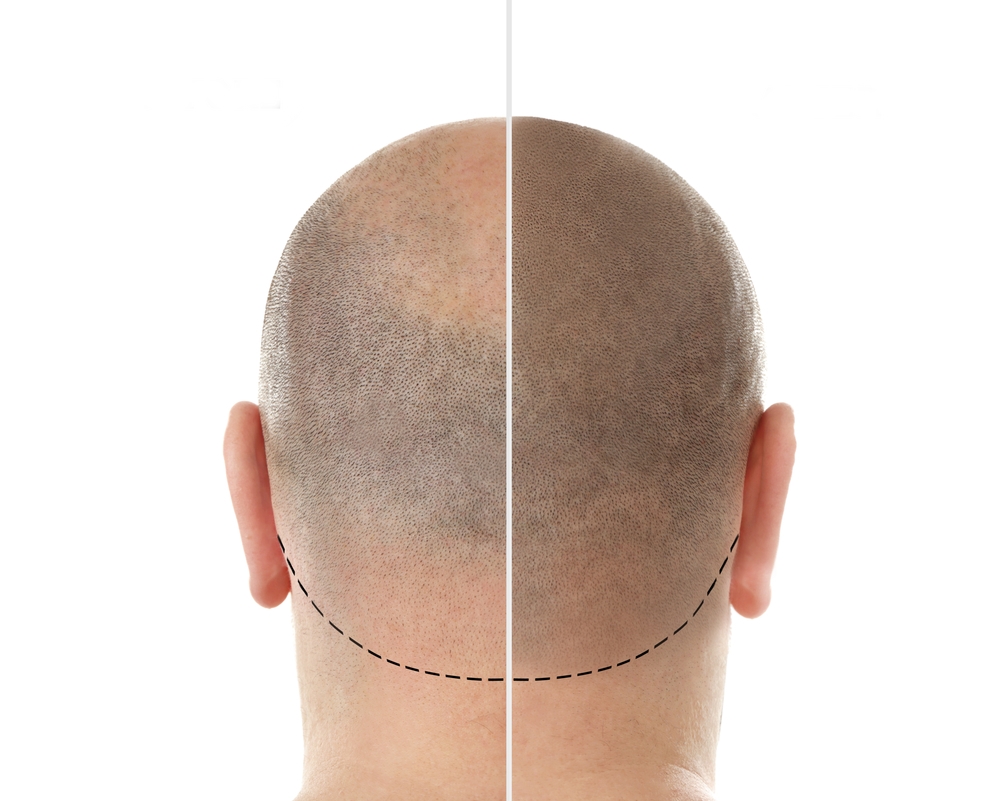
Who Is Suitable for Hair Transplantation? What Is Examined in the Pre-Assessment?
Hair thinning and loss is a natural process that individuals encounter at different stages of life, in which genetic and environmental factors play a role. Hair transplant procedures performed at clinics operating in the Izmir location are based on the principle of moving a person’s own healthy hair follicles to the areas where they are needed.
Who Is a Suitable Candidate for the Hair Transplant Procedure?
Hair transplantation is a procedure that can be planned for adult individuals who have completed their physical development, have a sufficient number of hair follicles in the donor area for transplantation, and whose existing systemic conditions are under medical control. The patient’s hair-loss stage having become stable is a key criterion physicians pay attention to, in terms of clarifying the graft (follicle) requirement for the area to be transplanted.
When assessing suitability for the procedure, not only the patient’s current degree of baldness but also potential future hair loss in the coming years is taken into consideration. Particularly in men experiencing hereditary hair loss and in women with regional thinning, whether the donor capacity will meet expectations is analyzed in detail. Although there is no upper age limit for the procedure, priority is given to the patient’s ability to remain medically stable throughout the procedure and their tissue-healing potential.
What Tests and Analyses Are Performed During the Pre-Assessment Process?
During the pre-assessment stage, the patient’s general medical history is reviewed, and blood tests (complete blood count, coagulation times, viral parameters) along with a detailed scalp analysis are performed. These tests are requested in order to determine whether the individual is physiologically ready for a micro-surgical procedure and to identify the hormonal or metabolic causes underlying the hair loss.
The results of the blood tests serve as a guide for the procedure to proceed in accordance with the planned medical protocols. The table below lists the key parameters examined during the pre-assessment and their purposes:
| Examination / Test Performed | Medical Purpose |
|---|---|
| Complete Blood Count (CBC) | Detection of infection status in the body, anemia, and general blood values. |
| Coagulation Tests | Measurement of blood clotting time to monitor for possible bleeding during the procedure. |
| Viral Screening | Checking for blood-borne conditions such as Hepatitis and HIV. |
| Dermatological Hair Analysis | Examination of scalp quality, follicle thickness, and the structure of the hair follicles. |
How Is the Decision Made for Transplantation in Cases of Hair Loss in Women?
For hair thinning seen in women, detailed tests are first performed to examine whether the hair loss is genetic in origin or related to hormonal fluctuations or vitamin deficiency. If the cause of hair loss is based on a permanent loss of tissue or male-pattern hair loss (androgenetic alopecia), shave-free hair transplant techniques are included in the planning for female patients.
Unlike men, the characteristic pattern of hair loss in women generally does not present at the hairline but rather as widespread thinning in the crown and mid-scalp regions. In such cases, the medical team at Özel Demiderm Polyclinic focuses on finding the actual source of the hair loss by examining additional parameters such as thyroid function tests and iron-binding capacity. In cases of structural balding where medical treatments prove insufficient, follicles obtained by shortening a small area at the nape are carefully placed into the thinning areas.
How Is the Process Planned for Those Experiencing Hair Loss at a Young Age?
For hair loss beginning in the early twenties, since the hair-loss process is still ongoing, possible future hair loss is calculated in advance. Accordingly, while medical support is offered to preserve the existing hair, donor-area grafts are used sparingly, anticipating that a second session may be needed in the future.
In younger patients, since the progression of hair loss has not yet settled into a stable pattern, focusing only on the current degree of baldness can lead to an aesthetic mismatch in later years. For this reason, physicians take a conservative planning approach, anticipating new areas that could open up behind the transplanted hair over time. The patient is informed transparently during the preliminary consultation that, due to the nature of the process, an additional thickening procedure may be needed at an older age.
What Alternatives Are Considered in Cases of Donor-Area Insufficiency?
In cases where the hair follicles in the nape area are numerically insufficient for the targeted transplant area, hair from alternative body areas, such as the beard area under the chin or the chest area, is considered as supplementary grafts. Hair taken from these areas, after their structural compatibility is examined, is generally used for thickening the crown area rather than the front hairline.
The use of body hair (BHT – Body Hair Transplant) is a method that comes into play once the limits of the donor area at the nape have been reached. Beard follicles, thanks to their thick structure, are a suitable alternative particularly for creating volume in the crown and mid-scalp regions. However, since the growth cycles and structure of these follicles differ from those of scalp hair, physicians take care to blend these grafts with the existing hair follicles to create a natural appearance.
Can People with Chronic Diseases Have a Hair Transplant?
Individuals with chronic conditions such as diabetes, hypertension, or heart disease can have a hair transplant with the approval of the specialist physician monitoring them, as long as their condition is kept under control through medical methods. Blood pressure and blood sugar levels remaining within normal ranges during the procedure is the key criterion sought for tissue adaptation.
Particularly in diabetic patients, the level of sugar circulating in the blood has a significant effect on tissue nourishment. For this reason, patients are asked to keep their blood sugar within the targeted range before and after the procedure. In the clinical setting in the Izmir location, the vital signs of patients with chronic conditions are carefully monitored during the procedure. Physicians review the patient’s daily medication regimen and create a medical schedule specific to the day of the procedure.
Why Does the Type of Hair Loss Matter for Suitability for the Procedure?
The type of hair loss, determined according to international scales such as Norwood or Ludwig, forms the basis of the surgical planning, since it shows which areas the hair loss is concentrated in. Thanks to this classification, the amount of grafts the patient needs and the anatomical position of the front hairline are calculated clearly.
Different types of hair loss require different approaches. For example, in a Norwood 2 case with recession only at the temples, hairline restoration is performed with fewer grafts, whereas in a Norwood 6 case where the entire crown area is bald, the operation may need to be split into several sessions. Correctly identifying the type of hair loss allows realistic data to be provided to the patient about the density that can be achieved.
What Medical Criteria Are Taken into Account in Hair Transplant Planning in Izmir?
In assessments carried out in the Izmir location, parameters such as the patient’s allergy history, medical products used regularly, skin elasticity, and the blood circulation capacity of the scalp are given priority. The focus is on determining the method by examining the tissue thickness of the nape area, where the follicles will be taken from, and the balding areas where they will be transplanted.
Regional climate conditions and the patient’s daily life pace also shape the social-life recommendations given after the operation. In analyses performed according to the standards of Özel Demiderm Polyclinic, whether the patient’s skin structure is more suited to the FUE (Follicular Unit Extraction) or DHI (Direct Hair Implantation) method is determined, and a personalized protocol is prepared accordingly.
How Are Psychological Expectations Factored into the Pre-Assessment Process?
Ensuring that the patient’s expectations regarding their appearance after the procedure are consistent with anatomical realities is discussed in detail during the preliminary consultations, for the healthy conduct of the process. The maximum density achievable on the scalp with the existing donor capacity is explained to the patient, with the goal of setting expectations on a rational basis.
Changing the image seen in the mirror is an important source of motivation for patients; however, human anatomy has physical limits. Pulling the front hairline down as low as it was during adolescence often disrupts facial symmetry and results in an unnatural appearance. Physicians blend the patient’s expectations with medical realities by drawing an aesthetically balanced profile suited to the person’s age and facial features.
How Do Medications Used Before Hair Transplantation Affect the Process?
Prescription medications with blood-thinning properties, high-dose vitamin supplements, or certain herbal teas can directly affect the operation process, as they may influence the amount of bleeding during the procedure. All products used by the patient must be shared with the physician, and if necessary, their use should be temporarily paused under the guidance of the relevant doctor.
Aspirin-derivative medications, vitamin E capsules, and products such as green tea can slow down the clotting mechanism. This can narrow the field of view during channel-opening and can also affect tissue recovery after the procedure. Listed below are some groups whose use before the procedure should be arranged under the physician’s supervision:
- Blood thinners and anticoagulant medications.
- Herbal supplements such as Ginkgo Biloba and Ginseng.
- High-dose multivitamin complexes and vitamin E.
- Strong pain relievers containing ibuprofen.
Can a Second Procedure Be Performed on People Who Have Already Had a Hair Transplant?
In order to thicken the volume achieved after the first procedure or to cover different areas that continue to lose hair over the years, a second or third session can be performed as long as the donor-area capacity is sufficient. A period of at least one year is generally expected to pass between two procedures to allow the tissues to recover.
In planning a second session, the direction and angle of the follicles used in the first procedure are taken into account, with the goal of achieving a transition that blends well with the existing hair. In order to avoid over-thinning the nape area, follicle collection is spread over a wider area, performed as a homogeneous harvesting process. Patients’ donor reserves are examined with detailed optical devices to clarify whether the area can support a new procedure.
What Aspects of Scalp Health Are Examined Before the Procedure?
Whether there is an active infection, severe eczema, psoriasis, or a fungal issue on the scalp is examined through a physical exam. When such dermatological skin problems affecting tissue integrity are detected, dermatological treatment is applied and the skin is allowed to calm down before the micro-surgical procedure.
A healthy scalp is essential for the transplanted follicles to be nourished and to take root in their new location. Inflammation present in the skin can make it harder for the follicles to adapt. During examinations at Özel Demiderm Polyclinic, the scalp’s oil level, moisture balance, and pore structure are assessed, and if necessary, the skin is prepared before the procedure with medical shampoos and lotions.
How Is the Hairline Design Determined During the Pre-Assessment?
The front hairline is determined using medical measurement tools, taking into account the movement of the individual’s forehead muscles during facial expressions, their age, and the proportions of the nose and chin. This line, designed to support the facial anatomical symmetry, plays a key role in achieving a natural form free of an artificial look.
When determining the front line, the patient is asked to raise their eyebrows so that the topmost forehead wrinkle can be identified; the new hairline is planned so that it does not sit on top of these expression muscles. Drawing the line in a slightly irregular, asymmetrical pattern — as found in a natural hair structure — rather than as a perfectly straight line, is a standard approach applied so that the procedure is not noticeable from the outside. The patient approves the process after seeing this design in the mirror.
Are Seasonal Factors Taken into Account in Hair Transplant Planning?
Since hair transplant procedures are performed in a clinical setting, they can be done in any season; however, protective measures against sunlight in summer and harsh cold in winter are communicated to the patient during the pre-assessment, based on the patient’s social routine. Seasonal changes do not shape the feasibility of the operation itself, but rather the protective dynamics afterward.
In regions like Izmir, where the summer months bring intense sunshine, patients are informed to wear a hat when going outside during the first weeks after the procedure and to avoid environments such as the sea or a swimming pool for a certain period. In the winter months, soft accessories that will not press on the scalp are recommended to protect against rain and wind. It is preferable for the individual to choose a period in which they can set aside time to rest, according to their work schedule, for the comfort of the process.
What Approaches Are Offered to Candidates Who Are Not Suitable for Hair Transplantation?
For individuals who do not have a sufficient number of follicles in the donor area, who have advanced, uncontrolled systemic conditions, or whose cause of hair loss is not permanent, alternative supportive medical protocols are recommended instead of hair transplantation. Alternative approaches such as vitamin supplements, medical lotions, or nourishing local scalp care treatments are offered to these patients.
Not every case of hair loss requires surgical intervention. In cases of temporary stress, seasonal transitions, or postpartum periodic hair loss, the hair follicles continue to remain viable. Specialists at Özel Demiderm Polyclinic make the correct diagnosis suited to the patient’s needs, creating plans aimed at preserving existing hair health and nourishing the follicles from within for profiles that are not suitable for a surgical procedure.