
Izmir Hair Transplant Procedure: A Comprehensive Information Guide
Hair loss and thinning is a natural process that can occur due to a variety of factors, including genetic predisposition, environmental factors, stress, or advancing age. The hair transplant procedure offered at clinics located in Izmir aims to restore bald or thinning areas with the person’s own healthy hair follicles through micro-surgical transplant procedures planned according to the individual’s existing hair structure.
What Is the Izmir Hair Transplant Procedure and How Is It Planned?
Hair transplantation is a procedure in which healthy hair follicles taken from areas of the scalp that are genetically resistant to balding are transplanted to areas experiencing thinning or hair loss using micro-surgical methods. Carried out at Özel Demiderm Polyclinic, this process is conducted with a personalized mapping approach based on an analysis of the individual’s existing hair structure, type of hair loss, age, and facial features.
At our polyclinic, which provides services in the Izmir location, the process begins with a detailed review of the patient’s medical history. During the initial consultation, a scalp analysis is performed and the necessary blood tests are conducted to evaluate the current state of hair loss. Based on the data obtained, the number of grafts (hair follicles) to be collected, the boundaries of the area to be transplanted, and the technique to be used are determined. The planning stage is of great importance in ensuring that all steps of the procedure proceed transparently and that the patient is informed about the medical requirements.
Who Is a Suitable Candidate for Hair Transplantation?
Hair transplantation is suitable for adult individuals who have completed their physical development, have no chronic health issues, and have a sufficient amount of healthy hair follicles in the donor area. Planning proceeds more effectively in individuals whose hormonal hair loss has largely stabilized.
When assessing suitability for the procedure, the patient’s overall health status is given priority. Individuals with chronic conditions such as high blood pressure or diabetes are asked to obtain approval from the relevant specialists monitoring their condition. At the same time, ensuring that the size of the area to be transplanted is proportional to the amount of follicles that can be taken from the back of the head is among the key factors considered to ensure the process proceeds as planned.
How Is the FUE Hair Transplant Method Performed?
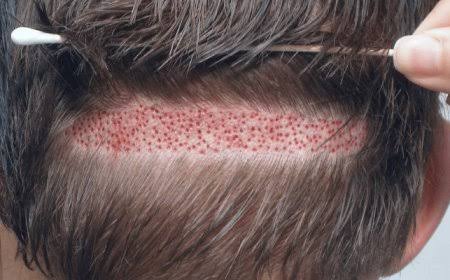
In the FUE (Follicular Unit Extraction) method, healthy hair follicles from the nape area are individually collected and separated using micro-motors, and then placed into micro-channels opened in the balding area. This method, frequently preferred in Izmir hair transplant procedures, stands out for not requiring an incision in the skin and leaving no suture scars.
During the FUE procedure, the collected grafts are kept in tissue-friendly special solutions to help preserve their viability. In the area where the grafts will be transplanted, small channels are opened that match the natural direction, depth, and angle of hair growth. Preparing these channels at angles suited to the anatomical structure allows for a natural appearance once the procedure is complete and the hair has grown out.
In Which Cases Is the DHI Hair Transplant Technique Preferred?
The DHI (Direct Hair Implantation) technique is preferred in cases where the channel-opening and placement of the collected hair follicles is done simultaneously using special medical pens called “Choi” pens. This is an approach used when the goal is to thicken specific regional areas of thinning without needing to shave all of the hair.
Which method is chosen is determined by the physician based on the thickness of the individual’s hair strands, the graft requirement, and their daily life routine. The table below compares the key features of the FUE and DHI methods:
| Procedure Feature | FUE Method | DHI Method |
|---|---|---|
| Placement Process | Channels are opened first, then the grafts are placed. | Channel-opening and placement are done simultaneously with special pens. |
| Shaving Requirement | The hair is generally shortened across the whole head. | Allows the procedure to be performed without shaving in areas with thinning. |
| Area of Application | Preferred for large balding areas with a high graft count. | Preferred for smaller areas and thickening procedures. |
What Stages Does the Hair Transplant Process in Izmir Consist Of?
The process fundamentally consists of four main stages: medical analysis and preliminary preparation, collection of grafts from the donor area, preparation of channels in the area to be transplanted, and transplantation of the collected follicles into these channels. At clinics located in Izmir, the process proceeds gradually with the patient’s comfort in mind.
- Preliminary Preparation: The hairline is determined, and local anesthesia is applied to prepare the tissue for the procedure.
- Follicle Collection: Grafts are taken from the nape area without damaging the tissue, using micro-tipped instruments.
- Channel Opening (for FUE): Sockets are prepared in the forehead or crown area that match the natural direction of the hair strands.
- Transplant Stage: The collected grafts are placed one by one into these prepared sockets, completing the operation.
All of these stages together take an average of 6 to 8 hours, depending on the planned graft count. Özel Demiderm Polyclinic structures this process comfortably, providing breaks during which the patient can rest.
What Is Felt During the Hair Transplant Procedure?
Since the procedure is performed with local anesthesia, no sensation other than touch and pressure is felt in the treatment area. Local anesthetic medications numb the tissue, allowing the patient to remain awake and rest, listen to music, or spend time watching a screen throughout the operation.
The patient’s general condition is continuously monitored by the medical team throughout the operation. Once the effect of the anesthesia begins to wear off after the procedure, a mild sensation of tightness in the head area may be experienced as a natural result of the tissue-healing process. Regular use of the medical products prescribed by the physician helps support a comfortable transition through this period.
In Which Months or Seasons Is It Suitable to Have a Hair Transplant?
Hair transplantation is a procedure that can be performed in any of the twelve months of the year, across all four seasons, as long as medical guidelines and aftercare instructions are followed. It is sufficient to plan according to the individual’s social life and work schedule; only the methods of protection from external factors after the procedure vary depending on the season.
Patients who have the procedure done in the summer months are advised to wear a hat to protect the transplanted area directly from sunlight and to avoid swimming in the sea for a certain period. In the winter months, the use of soft protective covers is recommended to protect against rain and cold weather. Although there is no seasonal restriction on the process, creating a schedule in which the patient can set aside time to rest provides for a more effective healing period.
What Is the Donor Area and Where Are Hair Follicles Taken From?
The donor area is the area of hair-bearing scalp that shows genetic resistance to balding, located between the two ears and at the back of the head. When planning an Izmir hair transplant procedure, the healthy hair follicles to be transplanted are predominantly collected from this area; if needed, alternative areas such as the beard area under the chin may also be considered.
The hair follicles in the nape area have a structural resistance to the balding effects of the testosterone hormone. As a result, when transplanted to balding areas, they tend to take root while preserving the character of their original location. The medical team at Özel Demiderm Polyclinic preserves the aesthetics of the donor area during the graft-collection process by taking the follicles in a homogeneous (evenly distributed) manner, so as not to disturb the natural density of the nape area.
What Should Be Paid Attention to During the Post-Transplant Healing Process?
For the first few days, the head should be kept in an upright position, and the treated area should be protected from impacts, direct sunlight, and activities that would cause excessive sweating. Not interfering with the small scabs that form after the procedure is a critical rule to allow the follicles to take root properly.
Sleeping position is one of the details that requires attention during the first days of the healing period. Patients are advised to sleep on their back with their head slightly elevated in order to prevent the transplanted area from coming into contact with the pillow. Timely use of the prescribed solutions and medical products contributes directly to tissue regeneration.
When Do the Transplanted Hairs Begin to Emerge and Grow?
Within the first few weeks after the procedure, a normal process called “shock loss” occurs, in which the hair strands break and fall out; new hair strands then begin to emerge starting from around the third month. By the sixth month, growth becomes noticeably visible from the outside, while the hair reaching its final form and volume takes an average of about a year.
The shock-loss phase is a natural part of the process of the transplanted follicles adapting to their new location. While the follicles continue to remain alive beneath the skin, the weaker hairs on top of them give way to thicker, more well-formed hair strands. Small variations in this timeline may be seen depending on the individual’s metabolic rate and eating habits. Patients can closely follow the progress of this months-long process during check-ups at Özel Demiderm Polyclinic.
How Is the First Wash Done After the Hair Transplant Procedure?
The first wash is generally performed by medical staff at the clinic within 24 to 48 hours after the operation, taking tissue sensitivity into account. Special lotions are applied and left on to soften the scabs, after which a rinse is performed using lukewarm water without rubbing.
During the first wash performed at the clinic, patients are shown hands-on how to wash their hair at home on their own. Thanks to this special washing routine, which continues for approximately 10 to 14 days, the scabs on the scalp soften and come away, and airflow to the hair follicles is supported. During washing, patients are asked not to use their nails and to only make light touches with their fingertips.
How Does Hair Transplantation Proceed in Women?
Hair transplantation in women, which may focus on thinning areas that differ from male-pattern hair loss, generally proceeds by collecting follicles through a small “window” opened in the nape area, without needing to shave all of the hair. Thinning at the hairline or volume loss in the crown area can be camouflaged this way.
The causes of hair loss in women can be based on many different medical reasons besides genetic factors, such as thyroid problems, iron deficiency, or hormonal fluctuations. For this reason, comprehensive blood tests are performed before the procedure to examine the underlying causes of the hair loss. Once the examination confirms there is no medical condition that would prevent the transplant, planning is done using shave-free methods that will not affect the patient’s social life, with the goal of covering the thinning areas.
What Should the Post-Transplant Diet Be Like?
In order to support tissue healing, a balanced diet rich in protein, vitamins, and minerals that contributes to cell regeneration should be adopted. Consuming foods containing B-complex vitamins, zinc, iron, and omega-3s helps nourish the follicles, while avoiding tobacco and alcohol consumption is recommended throughout the healing period.
Smoking is a significant factor that can lower the oxygen level in the blood, preventing sufficient nutrients from reaching the tissues. Newly transplanted hair follicles need intensive blood circulation in order to adapt to their new environment. For this reason, patients drinking plenty of water and prioritizing leafy green vegetables and quality protein sources are among the supportive routines recommended after an Izmir hair transplant procedure.
When Can Sports and Physical Activities Be Resumed After the Hair Transplant Procedure?
Light-paced walks can be started a few days after the operation, but for activities such as weightlifting, swimming, or sports requiring intense exertion, a period of about one month is generally expected to pass. Activities are increased gradually, since higher sweating rates and increased intracranial pressure could create undesirable conditions during the adaptation phase of the transplanted follicles.
In particular, team sports or physical-contact activities that carry a risk of impact should not be preferred in the first months, due to the possibility of damage to the hair follicles. Steam rooms, saunas, Turkish baths, and chlorinated pool water are also on the list of areas to avoid during the first four weeks, as they could cause irritation in the treated area.
What Criteria Are Important When Choosing a Clinic for an Izmir Hair Transplant Procedure?
It is of great importance that the procedure be performed under sterile clinical conditions, at a licensed healthcare facility operating in accordance with Ministry of Health guidelines and medical protocols. The equipment of the teams carrying out the process, hygiene standards, and the medical follow-up support offered after the procedure are among the main factors to consider when choosing a clinic.
Patients receiving treatment in the Izmir location are advised to choose institutions that provide clear information from start to finish and communicate the possible processes with transparency. Özel Demiderm Polyclinic records the complete medical history of its patients, maintains active communication throughout the months-long development period following the procedure, and closely monitors the growth stages of the hair follicles through routine check-ups. This approach allows the patient to feel at ease and well-informed at every step of the process.