
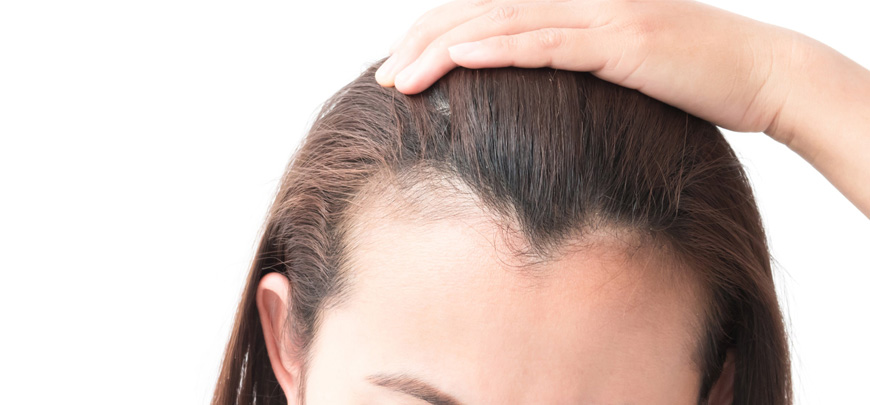
Hair Transplantation in Women: Suitability and Planning Process
Hair thinning and volume loss is one of the physiological processes women encounter at different stages of life. In managing these conditions, which develop due to genetic, hormonal, or environmental factors, the principle applied is transplanting the person’s own healthy hair follicles to thinning areas. Hair transplant procedures for women carried out according to the standards of Özel Demiderm Polyclinic, operating in the Izmir location, are planned in light of micro-surgical techniques suited to the tissue structure and detailed medical analyses. This guide details the eligibility criteria for treatment and all stages of the process.
In Which Cases Is Hair Transplantation Preferred in Women?
Hair transplant procedures in women are preferred in cases involving the recession of the hairline, the formation of regional thinning, volume loss in the crown area, or structural hair loss due to genetic predisposition. The goal of the procedure is to restore the aesthetic form by transferring healthy follicles taken from donor areas resistant to balding to the areas where they are needed.
This method is also considered for localized hair loss resulting from physical or chemical trauma (such as burn scars or previous surgical incisions). For the procedure to be planned, the patient’s general health condition must be stable, and there must be sufficient donor capacity to cover the balding area to be transplanted. Following clinical examinations, the patient’s expectations and the tissue possibilities are objectively assessed.
What Are the Main Causes of Hair Loss in Women?
Hormonal fluctuations, genetic predisposition, irregularities in thyroid function, iron or vitamin deficiencies, and intense stress are the main factors that lead to hair loss in women. Identifying these factors forms the medical basis of the procedure to be applied and reveals the nature of the hair-loss stage.
The pattern of hair loss in women is generally different from that in men; the front hairline is preserved, and it progresses as general thinning in the crown and mid-scalp areas. The table below lists the factors causing hair loss and the corresponding clinical assessment methods:
| Cause of Hair Loss | Medical Assessment Method |
|---|---|
| Hormonal Changes | Hormone panels are examined for menopause or the postpartum period. |
| Genetic Predisposition | Family history is reviewed, and the type of thinning is determined according to the Ludwig scale. |
| Vitamin / Mineral Deficiency | Iron, B12, zinc, and vitamin D levels are measured through blood tests. |
| Thyroid Problems | Thyroid function tests such as TSH, T3, and T4 are analyzed. |
How Is the Pre-Procedure Suitability Assessment Conducted?
During the suitability assessment, the patient’s detailed medical history is taken, current blood values are examined, and a dermatological analysis of the scalp is performed using optical devices. This process is carried out in order to determine whether the thinning stems from a temporary period or a structural process, and to establish the operation protocol.
Whether there is a medical contraindication to local anesthesia or a surgical procedure is clarified, with a consultation from relevant specialists if necessary. When an active infection, eczema, or a similar dermatological problem is detected on the scalp, transplant planning is postponed until the condition is brought under control.
Does All the Hair Need to Be Shortened for Hair Transplantation in Women?
In transplant procedures performed on female patients, shaving all of the hair is generally not necessary; only a small area at the nape (in the shape of a window), where the follicles will be taken from, is shortened, and shave-free methods that can be camouflaged are preferred. This approach allows patients to continue their daily and social lives without an externally noticeable change in image.
When transplanting to thinning areas, the procedure is carried out by working between the existing long hairs using special medical instruments. Once the long hair on top is released, the shortened area at the nape becomes hidden from view. Whether the procedure can be performed without shaving is determined through a joint decision between the doctor and the patient, based on the size of the thinning area and the amount of grafts needed.
What Stages Does Hair Transplant Planning Consist of in the Izmir Location?
In the clinical organization located in Izmir, the process consists of the following stages: preliminary examination, evaluation of laboratory tests, donor-area analysis, calculation of the amount of grafts to be transplanted, and scheduling the operation appointment. These steps, structured within Özel Demiderm Polyclinic, proceed according to a planned schedule while keeping the patient’s comfort in mind.
- Analysis and Design: The type of hair loss is identified, and the boundaries of the area to be transplanted are drawn.
- Preparation Stage: On the day of the procedure, the tissue is numbed with local anesthesia.
- Graft Collection: Follicles are collected from the donor area using micro instruments.
- Transplant Stage: The collected follicles are positioned in their new locations to match the natural direction of hair growth.
How Do Blood Tests and Hormone Analyses Guide the Process?
Tests such as a complete blood count, coagulation parameters, and a thyroid panel form the medical basis of the operation by determining whether the hair loss stems from a metabolic disorder. If a vitamin deficiency or hormonal imbalance is found in the laboratory results, bringing these values into the reference ranges is planned first.
The transplant process, being a micro-surgical procedure, requires the body to be physiologically ready to heal. Blood values being at normal levels is of great importance both for controlling bleeding during the procedure and for ensuring the transplanted follicles can receive adequate nourishment from the tissue after the operation.
How Is Donor-Area Capacity Calculated?
The nape area located between the two ears is thoroughly assessed based on the thickness measurement of the hair strands, the follicle density per square centimeter, and the elasticity of the scalp. This examination, performed with optical devices, reveals with scientific data whether the amount of grafts that can be taken is sufficient to cover the target area.
The nature of the donor area is that it has a structural resistance to testosterone-derived hormones. As a result, the follicles taken from this area retain this resistant character even in their new location once transplanted. During graft collection, follicles are taken at certain intervals and in a balanced (homogeneous) manner in order to preserve the natural density of the nape area.
How Are the FUE and DHI Methods Applied in Women?
In the FUE method, after the follicles are collected, special sockets (channels) are opened in the scalp and the transplantation is performed into these sockets, whereas in the DHI method, channel-opening and follicle placement are performed simultaneously in a single motion using special Choi pens. The DHI technique is generally found suitable for thickening between a woman’s existing hair.
The structural differences between the two methods are shaped according to the patient’s needs:
| Criterion | FUE Technique | DHI Technique |
|---|---|---|
| Number of Stages | Channel-opening and placement are done separately. | Channel-opening and placement are done simultaneously with the medical pen. |
| Area of Application | Preferred for larger balding areas. | Used for thickening in narrow areas and thinning regions. |
| Shaving Status | Generally requires part of the hair to be shortened. | More suitable for shave-free planning and working between the existing hair. |
How Is the Hairline Design Determined According to Women’s Facial Features?
Unlike the sharp, receding (V-shaped) lines seen in men, the front hairline in women is shaped to be more oval, in keeping with the golden ratio of the face, and with the boundaries of the expression muscles taken into account. Designing the line while preserving its natural asymmetry contributes to keeping the result of the procedure from looking artificial.
During the design stage, an aesthetic profile is drawn taking into account the patient’s age, forehead width, and jaw structure. After listening to the patient’s expectations, the most suitable hairline allowed by medical limits is drawn with medical marking pens and presented to the patient for approval in the mirror. This mutual agreement forms the basis for satisfaction throughout the following process.
What Should Be Paid Attention to During the Post-Procedure Healing Process?
For the first few days, the head should be kept in an upright position, the prescribed protective solutions should be used without interruption, and the treated area should be protected from physical impacts. Not touching the small scabs that form on the skin’s surface is essential for the newly transplanted follicles to take root properly.
In terms of sleep arrangement, avoiding contact between the transplanted areas and the pillow is advised. Staying away from strenuous physical activity, movements that could increase intracranial pressure, direct sunlight, and overly hot environments (sauna, Turkish bath) during the first weeks are among the fundamental steps that support the tissue-repair process.
How Does the Shock-Loss Phase Proceed in Women?
Around the third or fourth week after the transplant procedure, the hair strands on the transplanted follicles break and fall from the surface; this phase is described in the medical literature as a normal part of tissue adaptation. During this process, the follicles remain alive beneath the scalp and complete the adaptation process.
The shock-loss period can be mild in some patients and more noticeable in others. This is not a complication to be concerned about. Following the shedding of the weak strands, the follicles begin producing new, healthy hair strands within their own anatomical cycle approximately three months later.
What Should the Post-Procedure Diet and Vitamin Supplementation Be Like?
Establishing an eating routine rich in protein, iron, zinc, and B-complex vitamins supports cell repair in the scalp, increasing tissue quality. Drinking a sufficient amount of water and staying away from substances that affect circulation (smoking, alcohol) throughout the healing period regulates flow in the capillaries.
Including natural sources such as eggs, leafy green vegetables, fish, and nuts in the diet provides the follicles with the building blocks they need from within. When necessary, specific medical support products and lotions prescribed by the physician can be incorporated into this process for the protection of the existing hair as well.
When Does One Return to Daily Life After a Hair Transplant?
Patients can physically return to desk work or non-strenuous daily routines within a few days after the operation; however, it is recommended to avoid activities requiring exertion during the first two weeks. Since shave-free methods do not result in a very visible aesthetic change from the outside, adaptation to social life proceeds more quickly.
In particular, long hair covering the transplanted area allows female patients to comfortably get through the healing process without feeling isolated in public. The medical team at Özel Demiderm Polyclinic provides the patient with a detailed guide on what to pay attention to in daily life during the discharge process.
Do Seasonal Changes Affect Hair Transplant Planning?
Since hair transplant procedures are performed under sterile clinical conditions, they are interventions that can be done in any season of the year; seasonal changes do not restrict the procedure itself, only shape the protective measures to be taken afterward. Protection from the sun is the priority in the summer months, while protection from harsh winds or rain is prioritized in the winter months.
Patients planning the procedure in the summer period are advised not to swim in the sea or a pool for the first few weeks, and to use breathable, non-pressing cotton hats when going outside. Scheduling the appointment according to the patient’s own social calendar and a time period in which they can set aside time to rest is a preferred consideration for the comfort of the process.
How Long Does the Growth and Adaptation Process of the Transplanted Hair Take?
New hair strands, which begin to emerge on the skin’s surface starting from the third month, gain a noticeable form and texture as the sixth month approaches; reaching the targeted final form of the whole area and achieving full tissue integrity, however, spans an average period of about one year. Small differences in this timeline may be seen depending on individual metabolic rates.
Newly emerging hair strands may be thin and weak in character during the first months; however, as time passes, they regain their natural form, thicken, and achieve an aesthetic match with the existing hair. During this long adaptation period, patients continuing their routine check-ups and following the recommended care instructions contribute to the process proceeding along its normal course.