
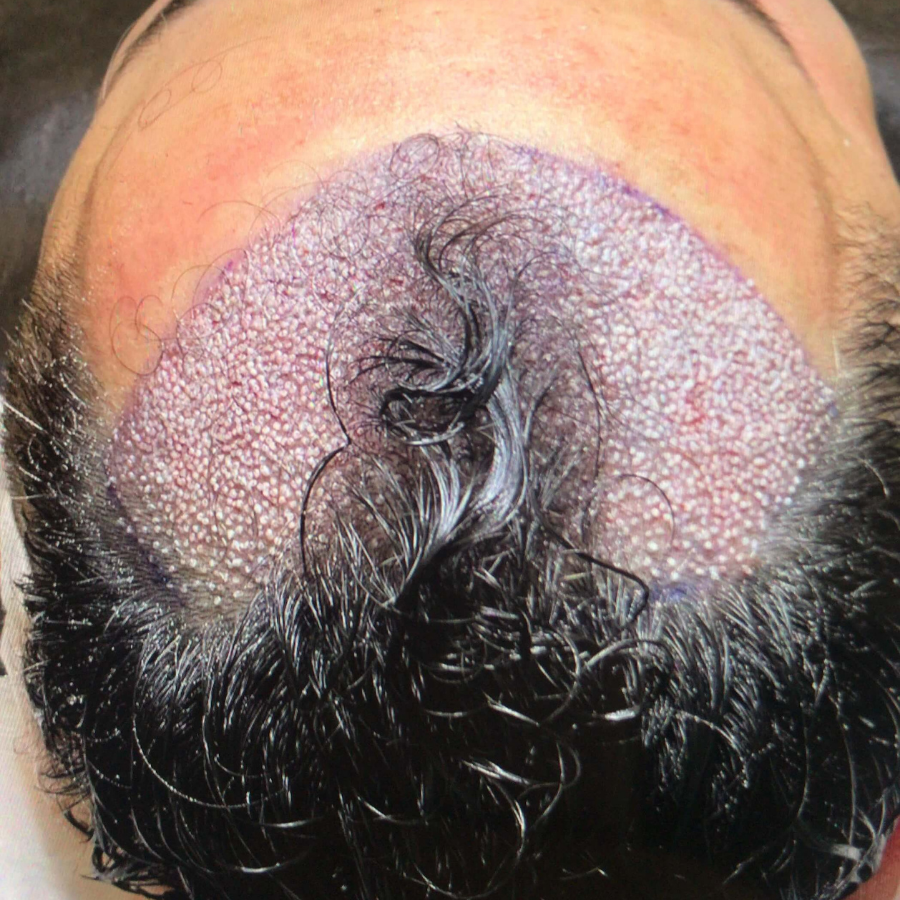
Recovery Process After DHI Hair Transplantation in Buca
Buca, İzmir’s most dynamic, youngest district full of campus energy, has a 24-hour living ecosystem with the academic atmosphere brought by Dokuz Eylül University, the density of commercial centers such as Şirinyer and Forbes, and the social areas of Hasanağa Garden. In this vibrant life cycle, hair transplantation means opening a new chapter in the lives of individuals who care about their appearance and experience hair loss. The DHI (Direct Hair Implantation) technique, considered the pinnacle of modern hair surgery, has become an attractive option, especially for students and employees in Buca with their busy schedules, thanks to the rapid recovery advantages it offers. However, the hair transplantation operation is only 30% of the process; the remaining 70% depends on how the “Recovery Process” (Post-Op) is managed after the operation. Questions like, “When will my hair grow?”, “When will the scabs fall off?”, and “Will the wind from Tınaztepe damage my hair?” are among the most fundamental concerns for clients in Buca.
The biggest difference of the DHI technique is the absence of the channel opening stage. While classic FUE involves thousands of incisions in the scalp, DHI uses a “Choi Pen” to push the roots directly into the skin. This mechanical difference dramatically changes the healing process. Because there are no incisions, bleeding is minimal, tissue trauma is minimal, and the scabbing period is much shorter. However, the transplanted roots (grafts) still need a biological timeframe to take root in their new locations and integrate with the bloodstream (revascularization).
First 72 Hours: Critical Attachment Phase
The first 3 days after the operation are the most sensitive period, as the transplanted roots have not yet fully stabilized. During this period, the roots remain in place thanks to blood clots (fibrin) under the skin. Even the slightest bump, friction, or pressure can cause the root to dislodge.
Swelling and Sleeping Position: The local anesthetic fluids used during the procedure may run down to the forehead and around the eyes due to gravity. To prevent this, for the first 3 nights, you should sleep on your back with your head elevated at a 45-degree angle (using two pillows). Taking a short break from Buca’s lively nightlife and resting at home is critical for reducing swelling during this phase.
Buca Climate and Environmental Risks:
The geographical characteristics of the region are of great importance in the healing process. Buca, especially the Tınaztepe campus and its surroundings, is quite windy. Also, in areas like Şirinyer, where city traffic is heavy, dust particles can remain suspended in the air.
Caution Regarding the Wind in Tınaztepe: The first 10 days after the operation are the closing period for open wounds (micro-entry points). During this process, dust and pollen carried by the wind can create a risk of infection. Also, the wind can dry out the skin, causing the scabs to harden and itching. When going outside in Buca, wearing a loose, breathable hat as recommended by your doctor is essential to protect the roots from these environmental factors.
First Washing and Scabbing Process (3rd – 10th Day)
The first washing after DHI is usually done 48-72 hours after the operation, either in the clinic or at home, according to the doctor’s instructions. The aim is to gently clean away any blood clots and scabs that have formed. Because no channels are opened in the DHI technique, the scabs are much smaller (the size of a pinhead) and fewer compared to the classic method.
- Lotion Application: Before washing, special lotions containing panthenol are applied to soften the scabs and left for 45 minutes.
- Gentle Washing: Pressurized water should never be used. Wash with lukewarm water and a special medical shampoo using fingertips (without scratching) with dabbing motions.
- Scab Shedding: Around the 10th day, the scabs are expected to fall off completely. When the scabs fall off, a pink, clean, and hairy scalp emerges underneath. This is the moment when patients can fully return to social life.
Shock Loss: “Don’t Worry, It’s Normal”
Between the 2nd week and the 2nd month after the operation, a phase occurs where the transplanted hairs suddenly fall out. This is called “Shock Loss”. This is the period when clients in Buca panic the most. Questions like, “Did the transplant fail?”, “Was my money wasted?” are asked. However, this process is part of the biological cycle.
As the transplanted roots (follicles) adapt to their new location, they enter a “resting phase” (telogen phase) due to trauma and shed the hair follicle on top of them. The root remains alive inside and, gathering strength, begins to grow permanently from the 3rd month onwards. Shock shedding is not a failure, but a sign of renewal.
DHI Recovery Schedule: What Happens When?
The table below summarizes the general process an individual undergoing DHI hair transplantation in Buca will experience.
| Time Zone | Expected State | Things to Note |
|---|---|---|
| First 3 Days | Mild swelling, redness, tenderness. | Avoid trauma, scratching. Lie on your back. Drink plenty of water. |
| Days 4-10 | Crusting and healing. | Wash regularly every day (Crust removal). Protect from the sun. |
| Week 2 – Month 2 | Shock Hair Loss (Temporary hair loss). | Don’t panic. Start vitamin supplements. |
| 3. – 6th Month | New hair growth (Fine strands). | Hair starts to grow. Acne may occur (Normal). |
| 6th – 12th Month | Hair thickening and becoming denser. | Final result is seen. Form is achieved. |
Social Life and Sports Activities
Gyms and artificial turf fields are indispensable for Buca’s young population. However, heavy sports, cardio, sauna, and Turkish baths are prohibited for the first 2 weeks after DHI. Sweating and increased blood pressure can disrupt root nourishment or increase the risk of infection. Light walks (in Hasanağa Garden) can be resumed after the 15th day, and weight training after the 1st month. For traumatic sports like heading the ball, at least 3 months should be waited.
Nutrition and Supportive Treatments
Healing should be supported not only externally but also internally. The typical student diet in Buca (fast food, irregular meals) may not provide the vitamins that hair follicles need. During the healing process:
- Protein: The building block of hair is keratin, and keratin is synthesized from protein. Consumption of meat, eggs, and legumes should be increased.
- Biotin and Zinc: Taking supplements as recommended by a physician accelerates regrowth after shock hair loss.
Smoking: Smoking constricts blood vessels, preventing nourishment to the follicles (vasoconstriction). The first two weeks, if possible, should be completely avoided, or at least minimized, as this directly affects the graft survival rate.
Conclusion: Patience is the Best Medicine
In conclusion, the recovery process after DHI hair transplantation in Buca is a journey that requires patience and discipline. Although the advanced technology speeds up healing, it cannot change biological rules. The sensitivity in the first few days will give way to scabbing, which will then lead to shock shedding. However, the thick and natural hair you will see when you look in the mirror at the end of a year will prove that it was all worth the process. Managing the process by staying in contact with your doctor, protecting yourself from the wind of Buca, and taking good care of yourself is the key to success.