
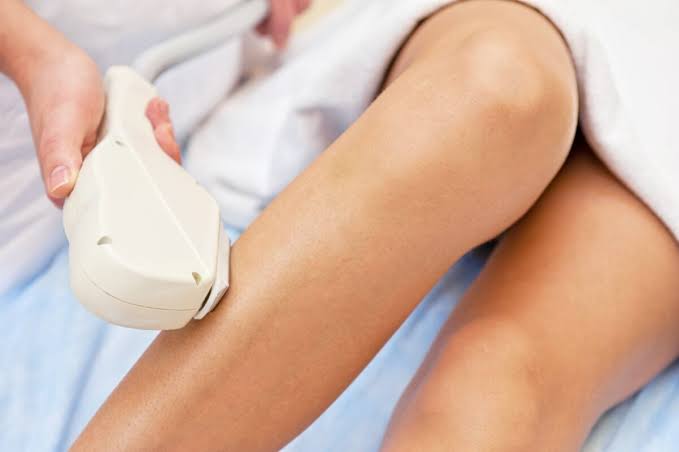
What You Need to Know Before Laser Hair Removal
What needs to be known before laser hair removal is among the basic topics researched by individuals planning to take a step toward getting rid of unwanted hair. This process is based on the principle that special light beams directed at the melanin (color) pigments located in the hair follicle turn into heat energy, weakening the hair’s development cycle. For effective planning, a person’s skin tone, hair thickness, hormonal status, and general health condition are taken into consideration. Paying attention to preparation steps contributes to the process proceeding in its normal course and to the person being able to continue their daily life comfortably. Proceeding while protecting the skin structure is one of the main factors that supports the efficiency of each session.
Particularly before the first session, the skin and hair follicles being in the right condition makes it easier for the beams to reach their target point. Details such as the hair follicle remaining in place, the skin surface being free of chemical products, and protection against sun exposure being ensured are at the top of the list of things to pay attention to. Information provided by expert staff is guiding in ensuring that individuals’ expectations align with medical realities. In this article, all the stages of interest during the preparation phase of the process are addressed with a detailed and informative approach.
How Should the Preparation Stage for the Laser Hair Removal Process Be Planned?
When planning the preparation stage for the laser hair removal process, the goal is to ensure the conditions that will make the skin surface and hair follicles as open as possible to the beams. In the first step, the person’s current hair density, thickness, and skin texture are analyzed by specialists, and a personal map is created. In line with this analysis, taking the hair’s growth cycle into account, care is taken to ensure that the follicles are in the correct stage (the anagen stage) in which they can receive the beam. Small adjustments made by the individual directly increase session efficiency.
During the preparation stage, the skin’s natural moisture balance should be preserved, and factors that could create sensitivity to external elements should be avoided. For example, starting a few weeks before the session date, supporting the skin with moisturizing lotions strengthens the skin barrier; however, no product should be applied on the day of the session. In addition, gathering details about the person’s medical history is also an inseparable part of the preparation stage. Medications used, existing skin conditions, or allergic reactions should be shared with the physician or specialist before starting the process. A well-planned preparation stage forms a solid foundation for sessions to proceed without issues.
By Which Methods Should Hair Be Shortened Before the Session?
During the stage of shortening hair before the session, tools that only remove the surface length of the skin, such as a razor or trimmer, should be preferred. Procedures that pull hair out at the root, such as waxing, tweezing, threading, or an epilator, must be avoided for about three to four weeks before the session date. This is because laser beams have their effect by transmitting their energy directly to the hair follicle; since there will be no target left in an area where the follicle has been pulled out, the expected reaction from the procedure cannot be obtained.
When to shorten the hair is also an important detail. Generally, depending on the growth rate of the hair, surface-level cutting is asked to be done 1 to 2 days before the session. This way, there is no long hair on the skin surface during the procedure; long hair can absorb the beam at the skin surface, leading to heating and irritation of the skin. The goal is for the skin to appear smooth, but for the hair follicle (bulb) beneath the skin to remain firmly in place. As is also frequently stated in information provided by officials at Özel Demiderm Polyclinic, keeping the hair follicle in place is one of the fundamental steps that determines the efficiency of the process.
Hair-Shortening Methods and Their Effects
| Method Used | Effect on the Follicle | Suitability for the Process |
|---|---|---|
| Razor / Trimmer | Cuts only the surface hair; the hair follicle remains in the skin. | Suitable. Provides the ideal environment for the beam to find the follicle. |
| Waxing / Sugar Waxing | Removes the hair from the skin along with its follicle. | Not suitable. The color pigment (follicle) the beam would target is removed from the environment. |
| Tweezing / Threading | Pulls out individual hairs from the root. | Not suitable. Should not be used even in preparation for the facial area. |
| Hair-Removal Creams | Chemically dissolves hair close to the surface. | Since it can sometimes cause skin sensitivity, it is generally not recommended as a first choice. |
Why Does Assessing Skin Type and Hair Structure Matter?
Assessing skin type and hair structure carries great importance for determining the type of device to be used and the beam parameters. The contrast between the density of melanin (color) pigment in the hair and the tone of the skin determines the extent to which the beam will focus on the hair follicle. While dark-colored hair absorbs the beam more intensely, parameter adjustments for light-colored hair require great precision and expertise.
For example, if a light-skinned individual has dark-colored, thick hair, the beam bypasses the skin and heads directly toward the pigment in the hair, making it easier to reach the target. However, in dark-skinned individuals, since the skin itself also contains a high amount of melanin, it is necessary to turn to devices with special wavelengths (for example, Nd:YAG) that allow the beam to descend only to the hair follicle without heating the skin. When it comes to fine, weakly pigmented hair, beam absorption becomes more difficult, and different techniques can be followed. For this reason, rather than a standard approach, starting the process with calibrations that vary from area to area and person to person is essential for protecting skin health.
How Do Sun Exposure and Tanning Beds Affect the Process?
Intensive exposure to sunlight and tanning-bed use increase melanin levels in the skin, causing the skin tone to move away from its natural shade and darken (tan). This can cause the laser beam to focus not only on the hair follicle but also on the skin surface, increasing the likelihood of discoloration on the skin (hyperpigmentation or hypopigmentation). For this reason, areas where the procedure is planned are required to not be tanned before the session.
Direct sunbathing should be avoided in the weeks before coming for the session, and care should be taken to stay at the skin’s natural tone. If the procedure is being done during the summer months, or if being in open areas is unavoidable, high-protection-factor (SPF 50+) sunscreens must be applied to sun-exposed body areas. If the skin has become overly reddened, irritated, or tanned from the sun, specialists may push the session date back a few weeks to wait for the skin to return to its normal tone. Protecting skin integrity and color balance is a standard procedure applied to minimize the risk of discoloration.
How Does the First Consultation Proceed at Demiderm Polyclinic?
The first consultation carried out at Demiderm Polyclinic begins with carefully listening to the person’s expectations, mapping out the body, and recording their medical history. A comprehensive skin analysis is done alongside experienced specialists, the structure of the hair is examined, and necessary questions are asked about the person’s hormonal state. In light of the data obtained, a personalized timeline, energy level, and device profile are created.
With an informative approach adopted, how the process will work, the expected course, session intervals, and points to pay attention to afterward are conveyed to the person in transparent language. Removing question marks in the person’s mind also supports the process going smoothly on a psychological level as well. When determining the areas to be treated, the person’s social life and seasonal conditions are also taken into consideration. Demiderm Polyclinic has made it standard to offer individuals a comfortable and sterile environment by keeping hygiene conditions at the highest level and following periodic maintenance of devices.
Which Products Should Be Avoided on the Skin on the Day of the Procedure?
On the day of the procedure, the use of chemically containing products that can clog pores, such as deodorant, perfume, body lotion, makeup, or shimmery body creams, should be avoided on the skin. The skin being clean, dry, and free of any chemicals makes it easier for the laser beam to reach the hair follicle directly, without being refracted or reflected.
Particularly for the underarm area, using deodorant or antiperspirant can change the beam’s interaction by creating a barrier in the area. If the procedure is to be applied to the face, foundation, sunscreen, or concealer must be removed from the skin with a gentle cleanser right before the session. Cosmetic products accumulated in the pores can react with the heat building up in the skin, leading to localized redness, breakouts, or contact-dermatitis-like irritations. Before entering the procedure room at the clinic, having simply rinsed and dried the relevant areas with water is sufficient to be ready for the process.
Why Is It Important to Inform the Physician About Medication Use and Medical History?
Informing the physician about medication use and medical history is extremely important for being able to predict how the skin might react to the applied beams. Intensive vitamin A derivative medications, such as Roaccutane, prescribed for acne problems, thin, dry out, and sensitize the skin. Applying laser devices during the use of such medications, or in the following few months after stopping them, can leave damage on the skin.
At the same time, some antibiotics, antidepressants, or hormone-balancing medications can create sensitivity to light (photosensitivity). Conditions such as chronic skin disorders (eczema, psoriasis, vitiligo), a history of skin infections, a history of herpes (cold sores), or thyroid gland irregularities can change how the process proceeds. If the individual uses a pacemaker or has a history of epilepsy, precautions may need to be taken against currents the devices could create in the environment. Conveying all this medical information completely to specialists allows personalized parameters to be adjusted on a healthy basis, and allows proceeding with physician approval where necessary.
Medical Conditions That Should Be Disclosed Before Laser Hair Removal
- Acne/blemish medications currently being used, or stopped within the last 6 months.
- Antibiotics or ointments that make the skin sensitive to light (photosensitive).
- A predisposition to the cold-sore (herpes) virus (particularly for applications around the face or lips).
- Conditions affecting hormonal balance, such as Polycystic Ovary Syndrome (PCOS) or thyroid disorders.
- Autoimmune or chronic skin diseases such as psoriasis, eczema, or vitiligo.
- Being pregnant or planning pregnancy.
Who Can Laser Hair Removal Be Considered a Suitable Option For?
Laser hair removal can be considered a suitable option for many adult individuals who have a sufficient amount of melanin (color) pigment in their hair follicles, whose general skin integrity is intact, and who have completed adolescence, with their bodily development having stabilized. Regardless of whether they are female or male, anyone who wants to reduce the density of their unwanted hair and save time in their daily personal care routine can benefit from this process.
Whether the individual is suitable for this application becomes clear following a skin analysis. In cases where the hair is red, blond, or gray (white) in color, the classic devices’ mechanism of action does not work, because there is not enough pigment in the follicle to absorb the beam. For this reason, profiles where good contrast is achieved between the hair and skin color are among the candidates who can meet their expectations from the application. In addition, individuals who experience ingrown hair problems and whose skin becomes irritated by methods such as waxing or shaving frequently prefer this process, since weakening the hair from the root helps them move away from this problem.
What Are the Application Areas for Laser Hair Removal and What Are the Regional Differences?
Laser hair removal can be applied to many areas of the body where unwanted hair is present, except the eye socket and its surroundings. In women, the face (chin, upper lip, sideburns), underarms, bikini area, genital area, arms, and legs are commonly preferred; in men, the nape, neck, shoulders, back, chest, and cheekbones are prominent areas of treatment. Every anatomical area has its own distinct hair thickness and follicle depth.
For example, hair in the back and chest area may be positioned in deeper layers of the skin, requiring a different wavelength. Hair on the face, on the other hand, has a fine structure and is much more sensitive to hormonal fluctuations in the body. Small, focused heads that require fine-tuning are used on the face, while larger heads that shorten the duration are used for wide areas such as the entire leg or back. Adjusting the shot rate and cooling level while taking regional differences into account is part of the individualized approach applied to Özel Demiderm Polyclinic standards.
How Long Are Session Intervals Determined, and Why Does It Require Regularity?
Laser hair removal session intervals are determined by taking into account the anatomical growth (anagen), regression (catagen), and resting (telogen) stages of hair in different areas of the body. Not all hairs in the human body are in the growth stage at the same time. During the procedure, only hairs in the active growth stage are affected by the beam. A certain amount of time must pass for follicles in the resting or regression stage to become active and visible to the device as well.
Since the life cycle of facial hair works faster compared to the body, sessions for facial areas are generally planned at intervals of 4 to 6 weeks. In body areas such as the arms, legs, back, or genital area, since the cycle is slower, session intervals are kept between 6 and 8 weeks. Attending appointments at the determined times is critically important for being able to catch the growth stage in which the hairs are most vulnerable. Irregular attendance at sessions can cause growth stages to be missed and the process to take longer than its normal timeline.
What Normal Conditions Can Be Encountered During the Process?
During the process and right after the session, seeing mild pinkness around the hair follicles on the skin surface, or slight swelling at the base of the hair (perifollicular edema), is accepted as a normal condition. These findings indicate that the beam has reached the hair follicle and that the heat energy has created a natural reaction around the follicle. This appearance, which often subsides on its own within a few hours or with the application of soothing lotions, is a normal physiological response from the body.
During the procedure itself, tingling, prickling, or a sensation like a small rubber-band snap, varying in level from person to person, can be experienced. Advanced cooling air-blowing systems found in modern devices cool the skin surface at the moment the shot is fired, creating a soothing effect and helping prevent heat from building up in the skin. After the procedure, protecting the skin from the sun, avoiding showering with extremely hot water, and staying away from sweat-inducing, heavy activities (sauna, strenuous sports) for the first 24 hours support these normal conditions passing quickly.
Frequently Asked Questions
1. Can waxing be done before a laser hair removal session?
Procedures that pull hair out from the root, such as waxing, tweezing, or an epilator, should not be done for the few weeks before sessions. It is necessary for the hair follicle to remain in place beneath the skin so the beams can interact with it.
2. Does medication use affect the laser hair removal process?
Yes, medications with the active ingredient isotretinoin, used in acne treatments, make the skin overly sensitive. In addition, some antibiotics can create sensitivity to light. Medications used regularly should absolutely be shared with the specialist.
3. Is laser hair removal done during the menstrual period?
Although there is no biological contraindication, women’s pain threshold can drop and skin sensitivity can increase during the menstrual period and the few days before it. To help the person feel more comfortable, shifting the session date by a few days can be preferred.
4. Can moisturizer be applied to the skin before the procedure?
On the day the session is to be applied, moisturizer, lotion, cream, or deodorant should not be applied to the areas to be treated. Cosmetic products on the skin surface can cause the beam to refract or the skin to become irritated due to increased heat.
5. How long after using a tanning bed should one wait before a session?
The skin being tanned after a tanning bed or natural sunbathing can cause the beam to miss its target. It is generally recommended to wait a few weeks for the skin to return to its natural tone in order to prevent discoloration of the skin.
6. How long should hair be before laser hair removal?
Hair being long on the skin surface is not desired. Depending on the hair’s growth rate, it is asked that it be shortened to be level with the skin surface using a razor or trimmer one or two days before the session.
7. Is laser hair removal started while pregnancy is suspected?
Although there is no proven risk that the beams reach the baby in the womb, the intense hormonal fluctuations during pregnancy create a predisposition to skin discoloration. For this reason, postponing the process until after birth is recommended as a medical precaution.
8. What should be paid attention to before the first session?
Avoiding sunbathing, removing hair only with a razor, and disclosing any skin conditions and all medications used are the basic precautions that should be taken before the first appointment.
9. What analyses are done in Demiderm Polyclinic assessments?
The person’s skin tone, regional hair color, hair thickness, sensitivities in skin structure, and medical history are examined by expert aestheticians or physicians, and the appropriate device and parameters are selected accordingly.
10. Is peeling done to the skin before laser hair removal?
Gently exfoliating or peeling the skin about a week before the session helps ingrown hairs come to the surface. However, peeling should not be applied the day before the session or on the day of the session, in order to avoid irritating the skin.
11. Which skin types can laser hair removal be applied to?
Thanks to advanced technological devices, applications can be done across a broad range from very light skin tones to dark skin tones. What matters is that the specialist selects a wavelength suitable for the person’s skin type.
12. Is it mandatory to disclose antibiotic use before the procedure?
Some antibiotic groups create a risk of photosensitivity (discoloration) by sensitizing the skin to sun and light. For this reason, the specialist should be informed about the dose and duration used, and the session should be postponed if necessary.
13. Should makeup be removed before facial hair removal?
Yes, all cosmetic residue on the face — including foundation, BB cream, blush, or sunscreen — must be completely removed from the skin with a gentle cleanser and water right before the session.
14. When does shedding begin during the laser hair removal process?
Following the first or subsequent sessions, hairs whose follicles have weakened being pushed to the skin surface and beginning to shed generally takes around fifteen to twenty days. It is recommended not to intervene with the hairs and to wait for them to shed on their own.
15. Does alcohol consumption before the session affect the skin?
Intensive alcohol consumption can cause the skin to lose moisture and dry out, and can change the body’s sensitivity level. Avoiding alcohol consumption for the twenty-four hours before the application can be recommended for the body’s balance.