
Who Can Laser Hair Removal Be Suitable For?
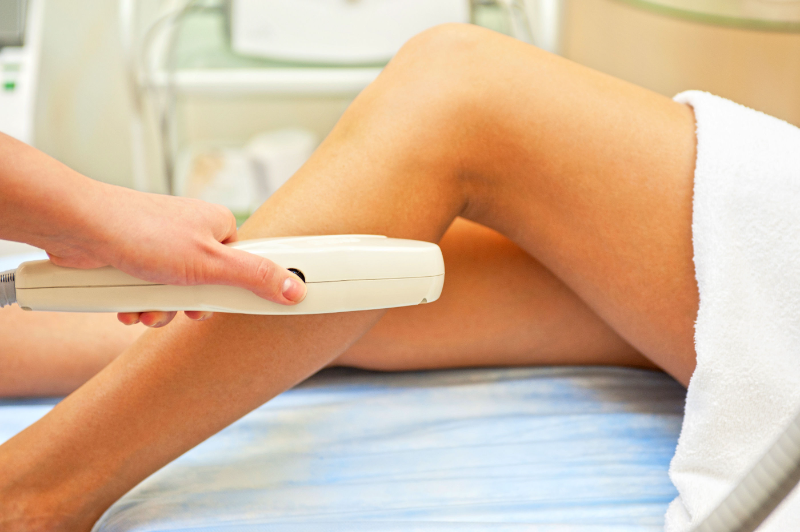
The question of who laser hair removal can be suitable for is among the leading topics on the minds of many people aiming to get rid of unwanted hair. Looking at it from a general framework, individuals whose skin structure is in its normal healthy state and who have left adolescence behind can be considered for this application process. The basis of the procedure rests on weakening the hair structure by sending light beams to the color pigments located in the hair follicle. For this reason, the contrast between a person’s skin tone and hair color is a guiding factor in planning the application. Thanks to advancing device technology, applicability is now provided today for a broad range of people with different skin and hair structures.
A person’s general health condition, medications they regularly use, and hormonal balance are also among the main factors that determine for whom this process can be planned. In pre-application consultations, the person’s medical history is heard, and their skin structure is closely examined. This way, it is determined whether the process aligns with the person’s expectations and physical characteristics. Approached with an informative perspective, the laser hair removal process aims to support individuals in having a comfortable experience in their personal care routine.
How Does the Laser Hair Removal Process Work?
The laser hair removal process works on the principle that the melanin pigment in the hair follicle absorbs light beams at specific wavelengths, and these beams turn into heat energy, weakening the follicle structure. Planned at certain session intervals, taking into account the active growth stages of the hair, this procedure helps reduce hair density by directly targeting the hair follicle without damaging the skin surface.
The hair growth cycle consists of three basic stages: anagen (active growth), catagen (regression), and telogen (resting). The stage in which laser beams can affect the hair follicle most effectively is the anagen stage, when the hair is fully attached to the follicle. Since not all hairs in the human body are in the same stage at the same time, it is not possible to affect all hairs with a single session. Because of this biological cycle, sessions are generally repeated at certain intervals. In each session, different hair follicles that are in the active growth stage are targeted, aiming for hair density to gradually thin out over a timeline spanning months. The progress of the process can vary from person to person, area to area, and depending on genetic factors.
Which Skin and Hair Types Can Laser Hair Removal Be Applied To?
Thanks to advancing device technologies, laser hair removal can today be applied across a broad range, from light skin tones to darker skin tones. Different laser wavelengths are preferred for various hair structures, from fine, thin hair to thick, densely pigmented hair, aiming to create a personalized plan suited to the individual’s structural characteristics.
In past years, laser devices could only be applied to people with light skin and dark-colored hair, but current technologies have largely changed this situation. Thanks to devices with different wavelengths, the requirement for contrast between skin color and hair color has been eased. However, since white, gray, or very light blond hair contains little to no melanin (color) pigment, the laser beam cannot be transmitted to the follicle. For this reason, laser hair removal devices are not expected to have an effect on individuals with unpigmented hair. Choosing a device suited to the individual’s structure is an important factor that supports the comfort of the application and the planned timeline proceeding in its normal course.
General Approaches by Skin Tone and Hair Structure
| Structural Characteristic | General Condition and Assessment | Process Goal |
|---|---|---|
| Light Skin / Dark Hair | The beam easily detects the dark-colored hair. There is high contrast between the skin and hair. | Fast adaptation and reduction of density are aimed at with a wide range of devices. |
| Dark Skin / Dark Hair | Special wavelengths (e.g. Nd:YAG) are considered so that the beam focuses only on the hair follicle, not the skin. | Gradually weakening the hair structure while preserving skin integrity is aimed at. |
| Light Skin / Fine and Light-Colored Hair | Since the melanin amount is low, the beam’s absorption is more limited. Diode wavelengths can be considered. | A generally longer session plan is created for fine hairs to thin out. |
| White or Gray Hair | There is no color pigment (melanin) in the hair follicle. | Since the laser beam cannot interact, alternatives such as electrolysis can be considered for these hair types. |
What Should Be Paid Attention to Before the Laser Hair Removal Application?
Before the laser hair removal application, it carries great importance that the hairs in the areas to be treated not be removed at the root using methods such as waxing or tweezing. Shortening methods that leave the hair follicle in place, such as a razor or scissors, should be preferred; direct sunbathing should be avoided, and the use of chemical products that could irritate the skin should be paused.
The preparation stage for the process forms the foundation of the efficiency to be achieved. The laser beam needs the follicle structure of the hair in order to transmit its energy. If the hair has been pulled out from the root before the session, there is no conductor left for the laser to target. For this reason, from about 3–4 weeks before the procedure, only surface-level shortening should be done. In addition, it is necessary to preserve the skin’s natural moisture balance and prevent sunburn. Since melanin activity increases in tanned skin, care must be taken when adjusting the device. Not applying lotion, cream, or makeup to the skin on the day of the procedure, and keeping the skin clean and dry, are among the steps recommended by physicians and specialists.
- Stop methods that remove hair at the root (waxing, tweezing, epilator) at least 3 weeks before the session.
- Before the day of the session, remove hair from the surface using a razor or trimming devices.
- Avoid sunbathing or using a tanning bed; take care to stay at your natural skin color.
- Attend the session without applying perfume, deodorant, lotion, or cream to the area to be treated.
- If you are using medications that make the skin sensitive to light, such as Roaccutane, be sure to inform the specialist about this.
How Does the Assessment Process Proceed at Özel Demiderm Polyclinic?
The laser hair removal assessment process at Özel Demiderm Polyclinic begins with the individual’s skin structure and hair characteristics being examined by experienced staff. In the first consultation, the person’s health history is listened to in detail, the device type is determined, and session intervals are created according to individual needs, presenting a personalized, transparent roadmap.
Understanding the individual’s needs is the first step of a healthy process. In the first examination done according to polyclinic standards, the patient’s hormonal status, genetic predispositions, and whether they have any prior hair-removal history are discussed. In light of the data obtained, laser parameters suited to the person’s skin structure are determined. Özel Demiderm Polyclinic informs the person of all details about the process, ensuring that expectations are placed on a realistic footing. The intervals between sessions are specially planned according to the growth rate of the hair and the area being treated. The hygiene conditions of the application rooms and device calibrations are regularly checked, aiming to create a comfortable environment.
In Which Situations Might Laser Hair Removal Not Be Recommended?
Laser hair removal may not be recommended for people with an active skin infection, who are pregnant, or who use certain medications that create excessive sensitivity to light. At the same time, it carries great importance for individuals with active conditions on the skin surface, such as open wounds, eczema, psoriasis, or vitiligo, to undergo a specialist assessment before starting the process.
In addition, in individuals using a pacemaker or with a history of epilepsy, physician approval is sought in order to observe the possible effects of the light or energy currents emitted by the devices. Since intensive vitamin A derivative medications such as Roaccutane thin and sensitize the skin, it is expected that a certain period (generally 6 months) pass since the use of these medications. In individuals with hormonal disorders (Polycystic Ovary Syndrome, etc.), laser hair removal can be applied, but since new hair growth can be observed as long as the underlying hormonal imbalance is not treated, adopting a simultaneous medical approach is recommended. Situations in which the application should be postponed are aimed at protecting the individual’s skin integrity and general health.
Special Situations and Their Effects on the Process
| Situation / Condition | Effect on Laser Hair Removal | Recommended Approach |
|---|---|---|
| Pregnancy | Although no effect of the beams on the baby has been proven, hormonal changes increase sensitivity. | Postponing the process to after birth is recommended. |
| Excessive Sunburn / Tan | Since the laser beam can target melanin in the skin, there can be a risk of discoloration on the skin. | Waiting for the skin color to return to its natural tone is necessary. |
| Active Acne or Open Wounds | Tissue integrity is disrupted in the relevant areas; the beam can increase irritation. | Application to that area is avoided until it heals. |
| Use of Light-Sensitizing Medication | Can lead to unexpected reactions, redness, or discoloration on the skin. | The dose and type of the medication should be assessed and physician approval obtained. |
Which Areas Can the Laser Hair Removal Procedure Be Applied To?
The laser hair removal procedure can be applied to almost every area on the body, except areas with extra sensitivity to light beams, such as around the eyes. Areas with dense hair growth, such as the face, neck, arms, legs, back, chest, underarms, and genital area, are frequently preferred application areas, using heads suited to the anatomical structure.
The depth and thickness of hair follicles in different areas of the body vary from one another. For example, hair in the back and chest area can be positioned deeper, while hair on the face has a finer structure and is more open to hormonal fluctuations. For this reason, the same energy level is not used for every area. Device heads can be changed according to the width of the area being treated; large heads are used for wide areas such as the legs and back, while small, precise-shot heads are used for narrow and curved areas such as the face and upper lip. Areas close to the eyeball (such as under the eyebrow) are generally left outside the application area, even when protective goggles are used, due to the risk of beam reflection.
How Should Post-Application Care Be According to Demiderm Polyclinic Standards?
Post-laser-hair-removal care according to Demiderm Polyclinic standards rests on supporting the skin’s moisture barrier and protecting it from the sun’s negative effects. Applying a high-factor sunscreen to the treated area, avoiding contact with extremely hot water in the first days, and postponing harsh applications such as skin-abrading peels are the basic recommended steps.
Seeing mild pinkening around the hair follicles or slight bumps (edema) at the follicle after the application is a normal condition and generally subsides on its own within a few hours to a few days. During this stage, using calming, fragrance-free, and medical repair creams creates a soothing effect. In the first 24 hours after the procedure, it is asked that heavy sports that would cause intense sweating, and environments that could heat and irritate the skin, such as scrub baths, saunas, or Turkish baths, be avoided. In addition, in the weeks following the sessions, not removing hairs that start to lengthen from the root, and allowing them to shed on their own, is a natural part of the process. The person making sunscreen a routine daily habit contributes to preventing color differences that could occur on the skin.
Frequently Asked Questions
1. Who can laser hair removal be applied to?
Both female and male individuals who have melanin pigment in their hair follicles, whose general skin health is in good condition, and who have completed adolescence, largely finishing their physical development, are considered suitable candidates for the laser hair removal process.
2. How long do laser hair removal sessions take on average?
Session duration varies according to the size of the area being treated. Small areas such as the upper lip or chin take 5–10 minutes, while applications for the entire leg, back, or full body can span a time period of between 45 minutes and 1 hour, depending on the person’s anatomical structure.
3. Can men get laser hair removal?
Yes, men can also get laser hair removal. This process is frequently preferred by men as well, particularly to thin out or reduce the density of hair growth in areas such as above the cheeks, the nape, the neck, the back, and the shoulders.
4. Is pain felt during the procedure?
Depending on the person’s pain threshold and hair density, feeling a mild stinging, warmth, or tingling sensation during the procedure is an expected condition. Integrated cooling air systems found in modern laser devices aim to make the process as comfortable as possible by cooling the skin instantly.
5. Do laser beams harm internal organs?
Due to their wavelengths, the beams produced by laser hair removal devices can only descend to a depth (a few millimeters) that reaches the hair follicles beneath the skin. It is not physically possible for the beams to go deeper and reach internal organs, ovaries, or lymph nodes.
6. Is there an age limit for laser hair removal?
The end of adolescence (an average of 16–18 years old), when hormonal balance has settled and hair development has stabilized, is generally recommended as the lower age limit for the application. There is no upper limit for older ages, but the procedure does not have an effect on graying hair.
7. Can the procedure be done after using a tanning bed?
Doing laser hair removal after a tanning bed or right after intensive sunbathing is not recommended. Since increased melanin density in the skin can attract the beams, it should be expected that the skin color return to its natural tone for a healthy application.
8. Can laser hair removal be applied during summer months?
The laser hair removal process can continue during the summer months. However, it is recommended that the treated areas not be directly exposed to sunlight, and that they be regularly protected with high-factor sunscreens, in order to preserve the skin’s balance.
9. What determines the intervals between sessions?
Session intervals are determined by a physician or expert aesthetician according to the growth cycles of the hair. Generally, rest and regrowth periods varying between 4–6 weeks for the face area and 6–8 weeks for body areas are applied.
10. Do hormonal disorders affect the procedure?
Yes, conditions that lead to hormonal fluctuations, such as thyroid issues or polycystic ovary syndrome, can trigger new hair growth, potentially extending the duration of the application. In such cases, it is recommended that the laser process and medical hormonal planning be carried out simultaneously.
11. How should hair be shortened before a laser hair removal session?
1 or 2 days before the session (depending on the hair’s growth rate), hair in the area to be treated should be shortened using tools that cut from the surface without harming the follicle, such as a razor or trimmer. Waxing and tweezing must absolutely not be used.
12. Is the procedure effective on white, gray, or red hair?
Laser beams find their target through color (melanin) pigment. Since white and gray hair contains no pigment, and light blond and red hair contain very little, classic laser methods are not expected to be effective on hair in these color tones.
13. Can laser be done on an area with a tattoo?
Laser hair removal is not applied directly over areas with a tattoo. Since the laser beam can target the color pigments in the tattoo, causing damage to the tattoo and a reaction in the skin, the procedure is done by covering the area around the tattooed spot.
14. Why is it important to attend sessions regularly?
Hairs continuously go through different growth, pause, and shedding stages. In order to catch the specific growth (anagen) stage during which the laser can affect the follicles, it carries great importance to regularly attend sessions at the determined appointment intervals.
15. Is redness on the skin after the procedure normal?
Mild pinkness on the skin or small swelling at the hair follicles right after the procedure is a normal condition indicating that the hair follicle has been affected by the beam. This sensitivity generally passes within a few hours, or shortly, with the support of soothing creams.