
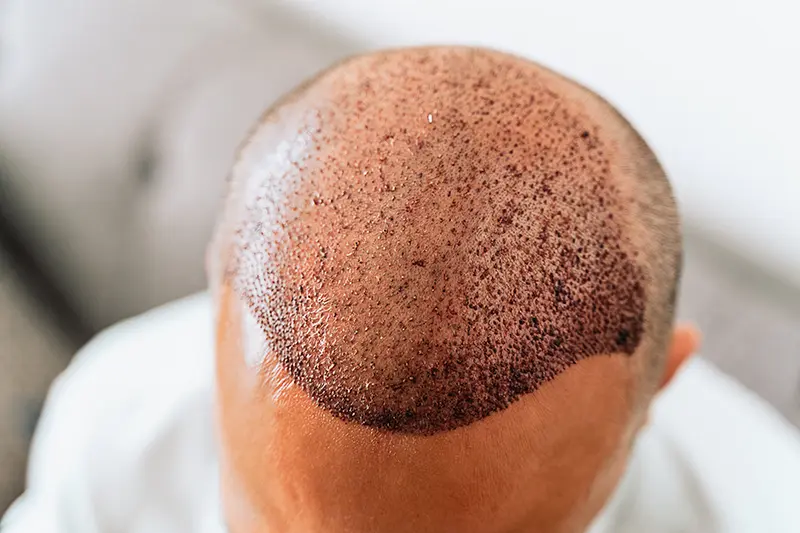
Hair Transplantation in Bald Areas
Hair loss is a complex process that can directly affect individuals’ quality of life and self-confidence. In cases of hair loss resulting from genetic factors, hormonal changes, and environmental influences, hair transplantation in bald areas is one of the most effective restoration methods offered by modern medicine. This process is not just a technical application; it is also the scientific reconstruction of a natural look, suitable for the person’s facial anatomy. Thanks to developing micro-surgical methods, closing areas with thinning without disrupting tissue integrity has become a standard procedure worldwide today.
Scientific Basis of Hair Transplantation
Hair transplantation surgery is fundamentally based on the principle of “donor dominance.” It is the process of transferring healthy follicles taken from areas of the body coded not to shed (usually the nape and behind the ears) to areas where they are needed. In bald areas, analyzing the skin structure, evaluating blood flow rate and pore structure is critically important for the adaptation of transplanted roots to their new locations. Professional planning requires not only filling the gaps but also creating a design that perfectly matches the angle and direction of the existing hair.
Techniques Used and Application Differences
The methods used in modern hair transplantation maximize patient comfort while increasing the tissue healing rate. Each technique has its own application protocol and micro-effects on the tissue.
| Method | Technical Characteristics | Tissue Compatibility |
|---|---|---|
| Micro FUE | Individual extraction of follicles with micro-motors. | Preferred for closing large openings. |
| DHI (Pen Technique) | Simultaneous channel opening and implantation. | Tightening and detailed frontal line designs. |
| Sapphire Tip Channel | Channel opening with precious metal tipped blades. | Faster healing and minimal Crusting. |
Operation Process and Protocols to be Followed
Hair transplantation to bald areas begins with a meticulous preparation phase. On the day of the procedure, protecting tissue health is the primary priority during the sessions performed under local anesthesia. The success of the operation directly depends on the millimeter accuracy of the angle (usually 45 degrees) and depth given during the channel opening phase.
Basic Steps Before Procedure
- Donor Site Analysis: The density and quality of the area from which the roots will be taken should be measured.
- Medical History Inquiry: Information about chronic illnesses and regularly used medications should be provided to the specialist.
- Smoking and Alcohol Restriction: It is recommended to stop these habits before the procedure as they negatively affect tissue nutrition.
Post-Operative Recovery and Protection
The first 72 hours after transplantation is the phase where the transplanted grafts attach to the tissue. During this period, it is necessary to follow expert advice to protect the scalp from external impacts and reduce edema formation. The first washing should generally be performed under the supervision of a specialist or according to their instructions. The spontaneous shedding of scabs that form in the transplanted area is critical for the tissue to receive oxygen.
The entire process, from completion to the desired hair shape, takes approximately 12-18 months. Temporary hair loss, known as “shock shedding,” which occurs a few weeks after the operation, is a biological adaptation process and should not be a cause for concern. The direction and density of new hair growth clearly demonstrate the success of the channel design after this stage.
Results and Informed Choice
Hair transplantation is a medical procedure aimed at lifelong permanence. Therefore, the procedure must be performed in centers with high hygiene standards, full compliance with legal regulations, and expert staff. A process planned in light of scientific data is the most reliable way to achieve a natural and healthy appearance.