
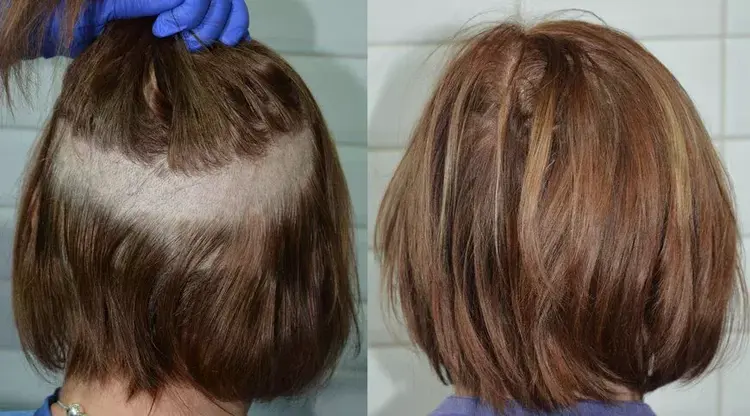
Shave-Free Hair Transplantation for Women in Izmir
Hair loss is a biological process that deeply affects individuals’ aesthetic perception and quality of social life. For women in particular, the necessity of completely shaving the hair constitutes one of the biggest psychological barriers to seeking hair restoration treatments. The increase in searches for Shave-Free Hair Transplantation for Women in Izmir proves the interest in modern methods that minimize aesthetic concerns and offer a quick return to social life. Izmir, the health tourism capital of the Aegean, professionally manages this sensitive process for women with its clinics equipped with advanced technology and experienced expert staff.
What is Shave-Free Hair Transplantation and How is it Applied?
In traditional hair transplantation methods, completely shaving the hair is a common practice in order to collect grafts (hair follicles) healthily and open the transplantation channels. However, in “Shave-Free Hair Transplantation” protocols, especially in female pattern hair loss (Ludwig staging), the goal is to preserve existing hair. In this method, roots are collected by opening a small window, usually in the nape area (donor area), which is not visible from the outside. In the recipient area, the hair is not cut; the roots are carefully placed among the existing hair.
Main Technologies Used: DHI and Sapphire FUE
In Izmir, the most frequently preferred methods for shave-free hair transplantation for women are DHI (Direct Hair Implantation) and Sapphire FUE techniques. These methods minimize tissue damage and accelerate the healing process.
is done.
| Method | Operating Principle | Advantage for Women |
|---|---|---|
| DHI (Choi Pen) | Channel opening and root placement are done simultaneously. | Easy to access between hairs, ideal for unshaven procedures. |
| Sapphire FUE | Micro-channels are opened with sapphire-tipped blades. | Provides fast healing, preferred in dense transplants. |
| Window Method Harvesting | A hidden shave is performed in the donor area. | The harvested hairs are camouflaged with the long hairs on top. |
Operation Process and Planning
The Hair Transplantation in Women Without Shaving in Izmir process begins with a detailed consultation. Since hair loss in women can be caused by thyroid disorders, iron deficiency, or hormonal imbalances, the cause of the hair loss should first be medically investigated. If the hair loss has stabilized and the donor area is sufficient, the operation is planned.
Pre-Operation Considerations
- Blood-thinning medications and supplements should be discontinued at least 1 week before the operation (under doctor’s supervision).
- There should be no active skin disease such as eczema or psoriasis on the scalp.
- Hair should be clean on the day of the operation; chemicals such as gel or spray should not be used.
Recovery Process and Return to Social Life
The biggest advantage of the unshaven method is that it is possible to return to social life the very next day after the operation. Slight crusting in the transplanted area can be easily hidden with the existing long hair. Considering the climatic conditions of Izmir, protecting yourself from the sun and avoiding excessive sweating for the first 15 days after the operation is critical for graft health.
The first wash is usually performed by specialists in a clinical setting. The phase called “shock shedding” occurs 3-4 weeks after the operation and results in the temporary shedding of the transplanted hair. This is expected. Permanent hair begins to grow from the 3rd month onwards, and the final result is observed on average in the 12th month.
Who is it suitable for?
Shave-free hair transplantation is generally suitable for women experiencing hair thinning, those who want to bring their hairline forward, or those with regional baldness. However, in cases where the baldness is very extensive (complete baldness), the number of grafts that can be taken may be limited, so the specialist physician may recommend the full shave method or different session plans. At this point, having realistic expectations and trusting the physician’s guidance increases the success of the result.
In conclusion, hair restoration is more than just an aesthetic touch; it is a medical procedure. In Izmir, the hygiene standards, technological infrastructure, and physician experience of centers offering this service are decisive factors for your health and aesthetic satisfaction.