
How Should Hair Be Washed After a Hair Transplant? The Delicate Ritual of Protecting Your Grafts
You stand in front of the mirror and feel hesitant to touch those freshly transplanted grafts, don’t you? We completely understand. Learn the safest hair washing ritual you can perform without harming your grafts, with the expertise of Private Demiderm Polyclinic.
As Private Demiderm Polyclinic, with the experience we have gained over the years, we explain step by step how you can professionally manage this delicate process at home. Get ready to discover all the details you need to know, from low-pressure water and lotion application to drying techniques and the scab-removal phase.
Why Is Washing So Important?
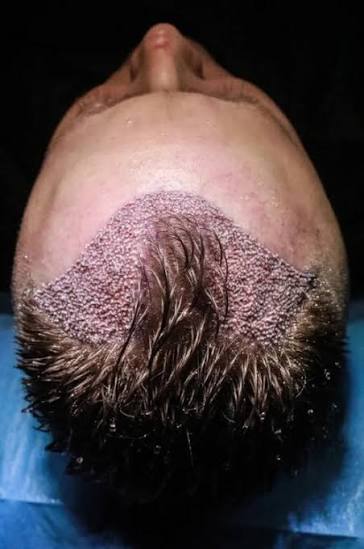
After the procedure, minor fluid discharge, micro-clots, and tissue fluids in the transplant area dry and form a layer of scabs on the scalp. If regular washing is not performed, these scabs become thicker. Thickened scabs prevent the scalp from stretching properly, make it more difficult for new grafts to receive oxygen, and create a barrier for newly growing hair shafts.
Proper and regular washing provides the following benefits:
- It softens the scabs and allows them to gradually dissolve and fall off naturally.
- It keeps the scalp moisturized, minimizing itching and feelings of tightness.
- It eliminates the risk of infection and maximizes the survival rate of the grafts.
💡 Demiderm Clinic Reminder: You Are Not Alone During the First Wash
Your first washing session, typically scheduled between 48 and 72 hours after the procedure, is generally performed at our clinic by our experienced healthcare staff. During this session, while providing you with the lotion and medical shampoos you will use at home, we also demonstrate the proper pressure and pouring technique in practice. Remembering these instructions during your first shower at home will completely eliminate your concerns.
Step-by-Step Safe Hair Washing Ritual
This routine, which you will typically perform daily from Day 3 until approximately Day 10 to Day 12, requires patience and gentle handling. Prepare your bathroom and follow these steps:
-
Application of Lotion or Panthenol Foam (Softening Phase)
The first step of the washing process is not shampoo, but a medical lotion designed to soften the scabs. Apply the panthenol foam or lotion provided by our clinic generously to the transplanted area without rubbing under any circumstances, using only gentle dabbing motions (light touch-and-release movements). Ensure that the entire transplant area is covered with the lotion.
-
Waiting Period (The Patience Phase)
You must allow the lotion sufficient time to penetrate the scabs and soften the hardened tissue. Leave the lotion on your scalp for approximately 40–45 minutes. This waiting period is the secret to allowing the scabs to separate from the skin without force during washing.
-
Rinsing Off the Lotion
Once the waiting period is complete, proceed to the bathroom. Adjust the water temperature to lukewarm (body temperature). Never hold the showerhead directly over your scalp! Using a cup or by reducing the water pressure with your hand, slowly pour lukewarm water over the transplant area. Allow the lotion to rinse away naturally with the water and do not attempt to remove it manually.
-
Shampooing (Foam Technique)
Pour the medical shampoo provided to you into your palm and rub your hands together to create a rich foam. Apply the foam—not the liquid shampoo directly—to the transplant area. Spread the foam using only gentle top-to-bottom touch-and-release (dabbing) motions. Circular movements, massage motions, or rubbing are strictly prohibited. However, you may clean the donor area (the back of the scalp) using gentle fingertip massages, which can help stimulate circulation and support healing.
-
Final Rinse and Drying
Rinse the shampoo away gently using lukewarm, low-pressure water. After the shower, you must be extremely careful with towel use. Traditional bath towels may catch on the grafts because of their coarse fibers. To dry the transplant area, use a soft paper towel. Simply place the paper towel lightly on the scalp, allow it to absorb moisture, and remove it. Do not rub. The use of hair dryers should also be strictly avoided during the initial stages of recovery.
Red Lines During the Washing Process: What to Do and What Not to Do
To avoid compromising the remarkable biological connection your scalp is establishing with the newly transplanted grafts, use the following guidelines in your daily routine:
| Action | Correct Approach (Recommended) | Incorrect Approach (To Be Avoided) |
|---|---|---|
| Water Pressure and Temperature | Lukewarm, low-pressure water poured with a cup. | Direct high-pressure water from a showerhead that is excessively hot or cold. |
| Method of Contact | Gentle vertical touch-and-release (dabbing) movements. | Scratching with fingernails, horizontal rubbing, or circular massage motions. |
| Drying | Absorbing moisture with a paper towel and allowing natural drying. | Vigorous rubbing with a thick bath towel or using a hot hair dryer. |
| Washing Frequency | Once daily throughout the healing period (preferably at the same time each day). | Avoiding washing for days out of fear of graft loss or washing 3–4 times daily and drying out the scalp. |
Hair Washing Questions Most Frequently Asked by Our Patients (FAQ)
We answer the common questions that may arise after discharge from the clinic using scientific data and clinical experience:
I noticed a few hairs in my hand during washing. Have I lost my grafts?
Do not panic. During the healing process, you may notice small L-shaped hairs in your hand while applying lotion or shampoo. These are usually broken hairs or dead hair shafts remaining on the skin surface after the procedure. The living hair follicle itself has already attached securely beneath the skin. If there is no accompanying bleeding, seeing a few hairs in your hand is completely normal.
When can I return to my normal shower routine and use my own shampoo?
After the special “scab-removal wash” performed around Day 10 or Day 12, all wound tissues are generally fully closed. Following approval from our clinic, you may return to your regular shampoo routine and begin showering normally using the showerhead and gentle fingertip massages. However, shampoos containing harsh chemicals should still be avoided during the first month.
What is the scab-removal wash (Day 10 Wash)?
Approximately 10 to 12 days after the procedure, all scabs on your scalp should be removed. On this special day, you leave the lotion on your scalp for a longer period (approximately one hour). During washing, after applying shampoo, you gently massage the softened scabs using the fleshy parts of your fingertips (never your nails) with very light circular motions. This process allows the scabs to detach from the scalp, helping your skin breathe and clearing the way for new hair growth.
Conclusion: Lasting Aesthetics Through Patient and Gentle Care
A hair transplant is not merely a procedure completed in a clinical setting; it is a team effort in which you actively participate and help achieve success through your home-care routine. The moments of concern you experience while washing your hair during the first days are actually the clearest indication of how much you value your new appearance. The right products, low-pressure water, and gentle handling are the most important forms of support those tiny grafts need in order to become strong hair strands that will stay with you for a lifetime.
As the Private Demiderm Polyclinic family, we never leave you alone during any stage of this transformation journey. During every washing ritual at home, you can confidently apply the scientific and delicate techniques we taught you in our clinic. After those first days of patience and care, the moment when the scabs have fallen away and your scalp feels refreshed will mark the beginning of your lasting and confidence-filled new look.