
What Can Be Experienced in the First Days After a Hair Transplant? A Realistic and Scientific Perspective
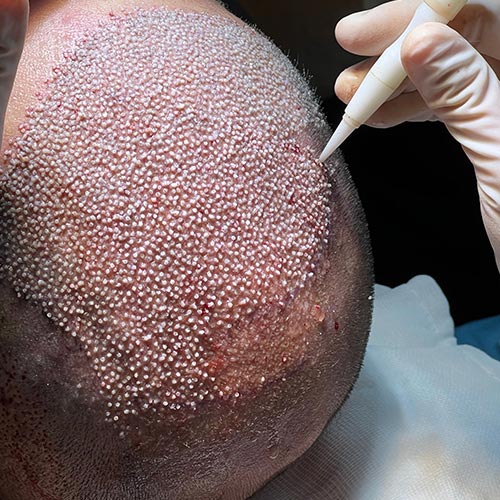
The redness you see in the mirror, the bandages on your scalp, and a slight feeling of tightness… Don’t let the first days after a hair transplant intimidate you; as Private Demiderm Polyclinic, we explain your recovery timeline step by step.
As Private Demiderm Polyclinic, we are here to help you get through this process as comfortably and safely as possible without any surprises. Put aside hearsay information; we transparently examine what will happen in your body during the first 7 days after the hair transplantation procedure, which situations are completely normal, and what you should pay attention to.
Step-by-Step Recovery Timeline: The Anatomy of the First 7 Days
The attachment of hair follicles to their new locations requires a delicate biological adaptation. The responses your body will show day by day are generally as follows:
-
Day 1: The Night of the Procedure and Rest
On the evening of the procedure, there will be a protective bandage on the donor area (where the follicles were extracted). As the effects of local anesthesia gradually wear off, it is natural to feel mild tightness or soreness in this area. The pain medication we prescribe will help you spend the night comfortably. The most important detail is sleep: The newly transplanted grafts are still very delicate and should not rub against the pillow. You should wear a travel pillow around your neck and sleep on your back at approximately a 45-degree angle.
-
Days 2 and 3: Edema (Swelling) and Bandage Removal
During the procedure, a special fluid is injected under the scalp to support the skin and facilitate graft placement. Due to gravity, this fluid may move toward your forehead and around your eyes beginning on the second day. Do not be alarmed by this facial swelling; it is temporary. Drinking plenty of water and maintaining an upright posture help your body eliminate the edema quickly. Additionally, the bandage on the donor area is usually removed on the second day at our clinic, allowing the area to heal more rapidly.
-
Day 3: The Highly Anticipated First Wash
It is now time to get rid of the dried blood traces and scabs. However, this wash is not performed like a regular shower at home. The first wash is carried out by experienced healthcare professionals at Private Demiderm Polyclinic. A special lotion is applied to soften the transplant area, and the washing process is performed with extreme care and without pressure, almost as if merely touching the scalp. You will also be taught in detail how to continue this washing routine at home.
-
Days 4–7: Scabbing and Itching Begin
The tiny red dots in the transplanted area begin to dry and form scabs. Itching, one of the golden signs of wound healing, starts to appear during this period. Feeling tingling or itching on your scalp is one of the clearest indicators that cellular regeneration is taking place. However, no matter how tempting it may be, you should never scratch the area with your fingernails. The moisturizing sprays we provide will make this phase much more comfortable.
💡 Private Demiderm Polyclinic Warns: Be Careful of Bumps and Impacts!
The first week is the most critical period during which the grafts establish connections with blood vessels. The most common accidents we encounter during this period include hitting the head on the top of a car door while getting in or bumping into cabinet doors at home. Please slow down your movements during the first few days and be extra careful in places with low ceilings. Even a minor impact can dislodge a newly attached graft.
What Is Normal and When Should You Call the Clinic?
Physical reactions may vary from person to person. To avoid unnecessary panic, you can review the normal findings and warning signs during the healing process in the table below:
| Observed Condition | What It Means to Us | What You Should Do |
|---|---|---|
| Swelling Around the Forehead and Eyes | A completely normal biological process (edema drainage). | Sleep upright on your back, drink plenty of water, and apply a cold compress to the forehead (without touching the transplant area). |
| Soreness in the Donor Area | A sign of tissue healing in the area where grafts were harvested. | Take your prescribed medications on time and keep the area clean. |
| Tingling/Itching in the Transplant Area | A sign of cellular repair and scab formation, indicating healthy healing. | Never scratch the area; only use the moisturizing solution recommended by the clinic. |
| Persistent and Increasing Bleeding | This is not normal. It may be caused by a sudden rise in blood pressure or trauma. | Remain calm, apply gentle pressure with a clean gauze pad, and contact us immediately. |
Golden Rules for the First Week (Do’s and Don’ts)
The success of a hair restoration procedure depends not only on the quality of the clinical application but also on the care you provide at home. Some important restrictions and recommendations for your daily routine include:
What Should You Do?
- Take all prescribed medications (such as antibiotics and anti-edema medications) regularly according to your physician’s instructions.
- Choose button-up shirts, cardigans, or zippered tops during the first days. Removing tight-collared T-shirts over your head increases the risk of damaging the grafts.
- Support blood circulation and edema reduction by consuming plenty of fluids, especially water.
- Prioritize rest. Your body needs energy to heal itself.
What Should You Absolutely Avoid?
- Avoid alcohol and smoking during the first week. Smoking constricts blood vessels, reducing oxygen delivery to the scalp and significantly slowing healing.
- Avoid direct exposure to sunlight. If you must go outside, use appropriate protection that does not touch the transplanted area.
- Stay away from heavy exercise, fitness activities, running, or any strenuous activity that may cause excessive sweating. Sweating can increase the risk of infection.
- Turkish baths, saunas, swimming in the sea, and pools are strictly prohibited for the first month.
Frequently Asked Questions from Our Patients (FAQ)
We answer the most common concerns regarding the healing process using a scientific and up-to-date approach:
Can I apply ice to the transplanted area to reduce swelling?
No. Ice or cold compresses should never be applied directly to the transplanted area (on top of the hair follicles). Cold compresses may only be applied to the middle of the forehead or around the eyes, well away from the newly transplanted grafts, and only for short intervals.
When will the scabs completely fall off after the transplant?
If you follow the washing routine correctly and consistently, the scabs are generally completely removed between the 10th and 12th days after the procedure. With a special massage technique known as a scab-removal wash, any remaining scabs are cleared from the scalp, and your skin regains a clean and natural appearance.
When can I return to work?
If you work at a desk job that does not require physical exertion and you are not concerned about the temporary redness or scabbing, you may comfortably return to work on the 3rd or 4th day. However, if you work in dusty environments, perform heavy physical labor, or work on construction sites, resting for at least 10–15 days is recommended.
Conclusion: Patience and Care Bring Lasting Beauty
The first days after a hair transplant may be a period during which you are adjusting to your reflection in the mirror, your body is engaged in a biological healing process, and your patience is being tested. However, rest assured that when you follow the instructions carefully and remember that these temporary changes are only the first step toward lasting happiness, the process becomes much easier.
When you begin to see your new hair growing strongly in the coming months, you will better understand how valuable the care you took during those first days truly was. As Private Demiderm Polyclinic, we stand by your side not only on the day of the procedure but throughout your entire recovery journey, offering our expertise and compassionate approach. Take confident steps toward the new and self-assured reflection you will see in the mirror.