What Is Rejuvenation? How Is Skin Renewal and Revitalization Done?
Rejuvenation is the general name given to medical and dermatological applications aimed at easing the tired appearance and tissue loss that the aging process, sun exposure, stress, and environmental factors create on the surface of the skin. This process is carried out based on principles such as stimulating the skin’s own tissue repair mechanisms, ensuring moisture balance, and supporting collagen production. Skin renewal and revitalization procedures aim to activate the biological cycle in the deeper layers of the tissue through external interventions. These methods, specifically determined according to the structure, age, and needs of the skin, help individuals achieve a brighter, more proportionate, and rested appearance.
What Does the Concept of Skin Rejuvenation Mean?
Skin rejuvenation means increasing the tissue’s capacity for self-repair by supporting, through various medical applications, the cellular renewal rate that slows down over time. This concept is a broad set of procedures that includes stimulating the structural components in the deeper layers of the skin that provide elasticity, eliminating the dull appearance on the surface, and achieving a brighter texture.
As years pass, human skin extends its self-renewal period. The cellular shedding and renewal cycle, which occurs on average every twenty-eight days in one’s twenties, can extend up to forty days by the thirties and forties. This delay causes dead cells to remain on the skin’s surface longer, making the tissue appear dull and lifeless. Rejuvenation applications aim to speed up this slowing cycle again by sending controlled stimuli from the outside. Thanks to the stimuli delivered beneath the tissue, cells begin an active production process, much like they did at a younger age, and start supporting the structural integrity of the skin.
Under What Circumstances Does the Need for Skin Renewal Arise?
The need for skin renewal generally arises in situations such as the appearance of fine lines, loss of elasticity, an increase in sunspots, and observable unevenness in skin tone. The weakening of the skin barrier and the decrease in moisture levels, caused by environmental factors and aging, are also among the main factors that lead individuals to seek skin revitalization.
Many elements we are unknowingly exposed to in daily life create a cumulative fatigue in the deeper layers of our skin. In particular, the air pollution that comes with city life causes damaging molecules known as free radicals to attach to the skin’s surface. At the same time, insufficient water intake, irregular sleep, and intense stress make it harder for tissues to receive the oxygen and nutrients they need. When individuals look in the mirror and notice a more tired expression than usual, a jawline beginning to give in to gravity, or flaking caused by dryness, they realize their skin needs extra support.
| Sign of Skin Wear | Cause of Occurrence | Observed Effect |
|---|---|---|
| Dull and Lifeless Appearance | Slowing of the cell renewal rate and accumulation of dead skin. | A dry, tired skin texture that does not reflect light. |
| Uneven Tone and Spots | Prolonged exposure to UV rays and imbalance in melanin pigment. | Darkened areas on the cheeks, forehead, and above the lip. |
| Fine Lines | Decreased production of collagen and hyaluronic acid. | Lines that become noticeable especially around the eyes, forehead, and edges of the lips. |
| Sagging and Loss of Elasticity | The effect of gravity and weakening of elastin fibers. | Loss of definition in the oval shape of the face and tissue drooping downward. |
How Are Signs of Aging Observed on the Skin?
Signs of aging are first observed on the skin in the form of fine expression lines, dryness, dullness, and mild sagging caused by the effect of gravity. As time progresses, these lines deepen into wrinkles, pores become more noticeable, and the structural changes that occur as the skin loses its natural glow become more easily noticeable on the surface.
Our skin consists of three main layers. The topmost layer, the epidermis, acts as a protective shield against external factors, while the middle layer, the dermis, contains the structural components that give the skin its plumpness and elasticity. The origin of aging signs generally begins in this middle layer. Over the years, the supportive bonds in the dermis layer thin out. The cheek area, which appears plump in young skin, gradually loses volume as these bonds thin. At the same time, because the skin’s water-retention capacity decreases, micro-cracks caused by dryness form on the surface. Individuals may notice that pillow marks stay on their faces longer than usual when they wake up in the morning; this is a simple everyday indicator that elasticity has decreased.
Which Methods Are Preferred in Skin Revitalization Processes?
Medical skin care, laser systems, chemical peeling, micro-needling, PRP, and various mesotherapy methods are frequently preferred in skin revitalization processes. Which method will be applied is planned individually according to the patient’s current skin structure, the level of repair needed, and the detailed dermatological evaluation carried out by the dentist… (physician).
With advances in technology and medical applications, the range of skin renewal options has expanded considerably. The common goal of these methods is to start the skin’s self-repair process through controlled stimuli given from the outside. In some applications the focus is on removing dead cells from the topmost layer of the skin, while in others the middle layer is reached directly to support the production of new structural components. How quickly the patient can return to daily life, how long they have been dealing with the skin problem, and seasonal conditions all play a determining role in the choice of method.
Through What Mechanism Do Laser Skin Renewal Procedures Work?
Laser skin renewal procedures work through the mechanism of delivering high-intensity light energy to the deeper layers of the skin, creating a controlled increase in temperature there, and thereby triggering the body’s natural healing process. As the heated tissues stimulate old cells, the production of fresh collagen fibers is triggered, supporting tissue repair.
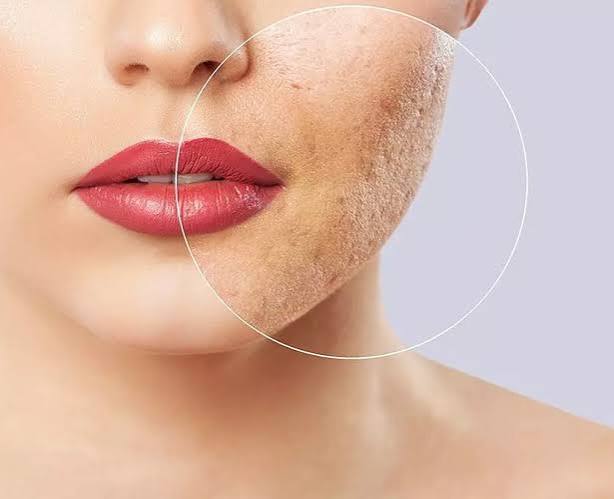
The beams sent in these systems can be adjusted to reach the deeper layers directly without leaving any damage on the skin’s surface. Technologies such as fractional lasers deliver the beam to the skin not as a single wide column, but as thousands of microscopic small points. This way, intact tissue remains between the treated points. The presence of this intact tissue allows the heated areas to heal much faster, making the recovery process more comfortable. Laser systems are widely used, particularly for lightening acne scars, tightening enlarged pores, and evening out overall skin tone.
What Effect Does the Chemical Peeling Method Leave on the Skin?
The chemical peeling method leaves the effect of exfoliating and removing the topmost layer of dead skin by applying specially formulated fruit acids or various solutions to the skin’s surface. Following this controlled exfoliation process, a fresher, smoother, and more even-toned new layer of skin is revealed underneath.
The concentration and type of acids used in the application vary depending on the patient’s skin issue. Superficial peeling procedures are generally preferred for mild dullness and fine flaking, while medium and deep peeling procedures are planned under a doctor’s supervision for more noticeable sunspots and tissue irregularities. The peeling process begins a few days after the treatment, and the skin sheds itself in thin layers. During this period, it is very important for the patient to carefully protect their skin from the sun and maintain moisture balance with the restorative creams recommended by the doctor, in order for the newly formed sensitive tissue to remain healthy.
What Purpose Does the Micro-Needling Procedure Serve?
The micro-needling procedure serves the purpose of opening micro-channels, invisible to the naked eye, on the skin’s surface using devices equipped with numerous fine, millimeter-sized needles, causing the tissue to perceive these channels as a wound and quickly activate its own repair mechanisms.
In this method, also known as dermapen, the fine needles that penetrate the skin trigger the release of growth factors that facilitate communication between cells. The body rapidly begins producing new tissue to close these microscopic openings. One of the greatest advantages of the procedure is that these micro-channels also allow nourishing serums or vitamin blends applied externally to be absorbed much more efficiently into the deeper layers of the skin. When applied in sessions, it contributes to softening fine lines on the skin, giving the tissue a more elastic form, and supporting acne scars to reduce differences in surface level.
What Role Do PRP and Mesotherapy Applications Play in Skin Renewal?
PRP and mesotherapy applications play the role of slowing cellular aging and giving the tissue an intense vitality by injecting the structural components, vitamins, and repair cells the skin needs — obtained from the person’s own blood — directly into the middle layer of the skin.
In PRP (Platelet Rich Plasma) application, a small amount of blood is drawn from the patient’s arm and spun in a centrifuge device to separate out the repair blood cells known as platelets. This resulting rich serum is then reintroduced with fine-tipped needles into the person’s face, neck, or décolleté area. Platelets, which are the cells that rush first to any point of damage anywhere in the body, begin intense activity to repair the tissue once they are delivered beneath the skin. Mesotherapy, on the other hand, is the process of delivering cocktails made of hyaluronic acid, antioxidants, amino acids, and vitamins into the skin. Skin that has become dry and undernourished is essentially hydrated and nourished from within through mesotherapy, achieving a more proportionate and healthy glow.
How Are Skin Revitalization Processes Planned at Özel Demiderm Clinic?
Skin revitalization processes at Özel Demiderm Clinic begin with a detailed analysis of the patient’s skin structure, signs of aging, and tissue needs. After listening to the patient’s concerns, specialists create a personalized schedule based on the data gathered, determining which applications can be combined.
The core principle of the process is to provide support through a balanced approach that does not go to extremes, without disregarding the patient’s daily life, expectations, and the natural anatomy of the skin. The clinic’s approach operates with the awareness that a single application will not produce the same effect on every type of skin. For example, in extremely dry and dehydrated skin, moisture balance is established first with mesotherapy, while laser or peeling systems may be incorporated into the process for skin prone to spots. After each planned session, the skin’s reaction is evaluated, and the next step is shaped according to this feedback. In this way, the goal is to carry out a transparent process in which individuals feel comfortable, with clear explanations and predetermined steps.
How Should Skin Care Be Organized in the Post-Treatment Period?
In the post-treatment period, skin care should be organized around the regular use of high-SPF sunscreen, generously moisturizing the skin, and avoiding makeup products and contact with hot water for the period specified by the physician, in order to protect the tissue that has become sensitive due to the applied method.
Following renewal procedures, the skin’s outer barrier temporarily becomes more vulnerable to external factors. During this adaptation period, protection with physical or chemical sunscreen creams is very important, since the sun’s UV rays can cause staining on the newly formed, fresh tissue. In addition, care should be taken to ensure the water is lukewarm while bathing, and mechanically irritating actions such as exfoliating gloves or rough loofahs should be strictly avoided. The soothing and barrier-strengthening dermo-cosmetic products recommended by the physician help ease any mild redness or feeling of tightness in the skin. Drinking plenty of water and eating healthily to support the healing process are also important factors that support the external care from within.
How Do Seasonal Changes Affect the Decision for Skin Renewal?
Seasonal changes directly affect the decision for skin renewal due to the skin’s sun sensitivity after treatment and outdoor weather conditions. Exfoliating procedures such as laser, deep chemical peeling, and micro-needling are generally planned for the autumn and winter months when sun exposure is reduced, while moisturizing treatments and light mesotherapy can be preferred in any season.
The winter months provide an ideal setting for the healing period following procedures that exfoliate the skin’s surface. In the summer months, the sun’s rays arriving at a more direct angle and people spending more time outdoors make the protection process more difficult. However, this does not mean the skin must be left completely without care during summer. In the summer months, moisturizing injections based on hyaluronic acid (such as “youth vaccines”) or classic medical skin care treatments can easily be continued to protect the skin against the drying effects of the sea, pool chlorine, and the sun. Regardless of the season, patients can receive the support their skin needs by choosing the right methods.
How Long Do Skin Renewal Processes Take to Complete?
The completion time for skin renewal processes varies depending on the chosen application, the patient’s skin structure, and the targeted result. While an immediate glow can be observed after single-session light treatments, the actual effects of applications targeting collagen production, such as laser or PRP, gradually appear over the course of a few months.
The reshaping of collagen fibers beneath the skin and the maturation of new tissue require biological time. For example, following a fractional laser session, the skin’s initial reaction is redness that lasts a few days, while the renewal of cells and full recovery of the skin takes place over an average of three to six weeks. For this reason, patients are advised to be patient throughout the process and to respect the skin’s natural biological cycle. Session intervals are generally scheduled at periods of about three to four weeks, allowing the skin to rest and respond to the stimulation given.
15 Frequently Asked Questions (Patient-Focused Information)
1. Do skin renewal procedures affect my daily life?
The time needed to return to daily life varies depending on the type of method applied. While one can return to social life the same day after light skin care and superficial mesotherapy, in the case of laser or deep peeling procedures, planning a 3-5 day rest period may be more suitable for patient comfort due to possible mild redness and flaking on the face.
2. What kind of sensations occur during the procedures?
Before the applications, local anesthetic creams are generally applied to the area to be treated in order to reduce sensitivity in the region. It is normal to feel a momentary sensation of warmth or slight tingling on the skin during needle-based or heat-based procedures; these sensations subside quickly after the treatment ends.
3. Can laser treatment be done in the summer months?
Applying exfoliating laser systems during the summer months is generally not recommended, as high sun exposure carries a risk of causing spots. Planning such procedures for the winter or autumn months makes the post-treatment protection stage more comfortable.
4. Is PRP treatment more suitable because it uses my own blood?
Since the material used in PRP treatment is the person’s own blood, there is no risk of reactions such as tissue rejection. It is a biological and natural approach for individuals who want their skin to heal through natural means and do not want to introduce an external artificial substance.
5. Does getting skin treatment increase acne breakouts?
Medical skin care performed with the right products and by expert professionals cleans the pores and balances sebum (oil) levels, so it does not increase acne formation — on the contrary, it helps calm any existing predisposition. However, since comedones (blackheads) beneath the skin that are ready to surface may come out shortly after the procedure, a temporary fluctuation may be experienced.
6. My skin is dry, which procedure is suitable for me?
For dry and dehydrated skin, mesotherapies containing hyaluronic acid that increase the skin’s water-retention capacity, moisture-boosting injections, and nourishing medical treatments are frequently preferred. These moisture-loading treatments can be an ideal starting point for softening fine lines caused by dryness.
7. Does the dermapen (micro-needling) procedure leave wounds on the face?
The dermapen procedure does not create large, visibly noticeable wounds on the skin; it only creates micro-level channels. The redness that occurs after the procedure indicates that the skin’s self-repair mechanism is working, and it typically turns pink and returns to normal within one to two days.
8. Do at-home peeling products replace treatments done in the clinic?
The mechanism of action of at-home cosmetic products differs from the concentration and depth reached by professional medical solutions applied in a clinical setting. At-home products support the daily routine, while clinical applications are planned to achieve deeper structural goals.
9. Are renewal procedures also performed on the neck and décolleté areas?
Yes, signs of aging become noticeable not only on the face but also on the neck, décolleté, and hands, where the subcutaneous fat tissue is thin. Laser, mesotherapy, and micro-needling procedures applied within the scope of skin rejuvenation can also be applied proportionately to these areas.
10. Does swelling occur on my face after mesotherapy?
Due to the nature of the procedure, mild edema or small bruising at the injection sites is normal. These effects are usually resolved by the body within a few days without requiring any additional intervention.
11. Does using a tanning bed affect skin renewal processes?
Since tanning beds emit artificial UV rays, they cause thickening of the skin and wear on collagen fibers. Using a tanning bed before or after a procedure is not recommended by specialists, as it increases the risk of sensitivity and spots on the skin.
12. When can makeup be applied after the procedures?
After laser, peeling, or needle-based procedures, makeup is generally not recommended for the first 24 to 48 hours, in order to allow the micro-channels in the skin to close and to prevent the risk of infection. Clean cosmetic products can be used once the period specified by the physician has passed.
13. Are creams enough for my fine expression lines?
Cosmetic creams help slow the aging process by moisturizing and protecting the topmost layer of the skin. However, medical applications that reach the dermis layer are needed to plump and smooth out fine lines that have already formed, from within.
14. Is there an age limit, can treatment start in your twenties?
There is no specific age limit. In one’s twenties, protective processes are generally planned to address acne scars, uneven skin tone, or to maintain moisture balance, while at older ages, processes targeting structural repair are designed. What matters is the skin’s immediate need.
15. Are the results permanent after the rejuvenation process is complete?
Since the human body and skin tissue continue to age and remain exposed to gravity and environmental factors, the process is ongoing. To maintain the vitality and healthy appearance achieved, it is beneficial to repeat the procedures at certain intervals (for example, once or twice a year) as supportive maintenance sessions.