
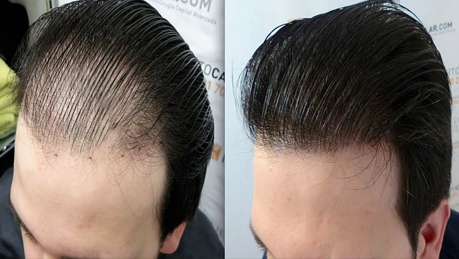
Things to Consider After FUE Hair Transplantation in Buca
Buca, İzmir’s largest, most vibrant, and 24-hour-lively district, boasts a unique urban fabric with the campus energy of Dokuz Eylül University, the commercial vibrancy of Forbes Street, and the heavy pedestrian traffic of Şirinyer. In this dynamic environment, for many individuals who value their appearance and decide on hair restoration (renewal), the FUE (Follicular Unit Extraction) technique stands out as one of the most effective solutions offered by modern medicine. However, the 6-8 hours spent on the operating table is only the beginning of the process. If the success of FUE hair transplantation depends 50% on surgical skill, the remaining 50% depends entirely on the care and discipline shown by the patient in the “Post-Op” (post-operative) period. Especially in a windy, dusty area like Buca, where social life is intense, managing the healing process may require extra attention. “Will my new hair take root?”, “Will the Şirinyer wind damage it?”, “When can I start exercising?” are some of the most fundamental questions that preoccupy the minds of clients in Buca.
The post-hair transplant process is a biological marathon in which the body activates its “repair” mechanism. In the FUE technique, when hair follicles (grafts) are placed in new channels, vascular connections have not yet been established. In the first few days, these follicles are nourished by the tissue fluid under the skin and struggle to “take root”. The slightest mistake during this period can cause the graft to dislodge or become infected. Therefore, the rules we will detail below are not just recommendations, but mandatory protocols for the survival of your new hair.
1. Critical Phase: The First 72 Hours (Taking Root Period)
When the operation is over and you return home, your hair follicles are at their most vulnerable. The first 3 days are the process of the follicles “gelling” and adhering to their new homes. The most important factor to consider during this process is to avoid “Physical Contact”.
Sleeping Position is Vitally Important:For the first 3 nights, you must sleep on your back with your head elevated at a 45-degree angle (using two pillows). The transplanted area should not come into contact with the pillow or blanket. This position is also critical to prevent the local anesthetic fluids (tumescent fluid) given during the operation from running down your face and causing swelling (edema) around your eyes. It is best to take a break from Buca’s lively nightlife during this period and switch to complete rest at home.
2. Buca Climate and Environmental Factors: Wind and Dust
The most important external factor affecting the healing process is your environment. Due to its geographical location, Buca, especially Tınaztepe and its surroundings, is exposed to strong winds. Also, due to dense construction and traffic, dust particles may be present in the air.
Protection Against Tınaztepe Wind:For the first 10 days after the operation, the micro-channels in the transplantation area may not yet be fully closed. Dust, soil, or pollen carried by the wind can settle in these channels, increasing the risk of infection. When going outside in Buca, you must use a special hat or bandage that does not constrict your head and allows air circulation, as recommended by your doctor. Avoiding long walks in open areas such as Hasanağa Garden, especially on windy days, is essential for graft safety.
3. First Washing and Crusting Management
The first washing after the operation is usually done by specialists at the clinic on the 2nd or 3rd day. After that, a ritual that you need to perform at home for 10 days begins. The purpose of this washing is not cleanliness, but to gently clean away any blood clots and scabs that have formed.
- Lotion Stage: The softening lotion given by the doctor is applied generously to the transplant area with dabbing motions (without rubbing) and left for 45 minutes. This softens the scabs.
- Shampooing: Special medical shampoo is lathered in the hands and applied to the transplant area with light touches. Never use your nails; only touch with your fingertips “like playing a piano”.
- Rinsing: The tap water in Buca may be pressurized. Never direct pressurized water directly to your head. Rinse by gently pouring lukewarm water from a bowl.
- Drying: Do not rub with a towel. Only remove the moisture with a paper towel.
4. Shock Loss: “Don’t Panic, the Process is Underway”
The period that patients worry about most after FUE is the “Shock Loss” phase, which begins 2-3 weeks after the operation. The transplanted hairs suddenly begin to fall out in response to the trauma. This situation can lead to the fear of “Did the transplant fail?” among clients in Buca. However, this is a biological necessity.
Only the hair shaft falls out; the hair root (follicle) remains alive and healthy under the skin. The roots enter the resting phase (telogen) and begin to grow permanently from the 3rd month onwards, gathering energy. You can think of this process like a seed waiting before sprouting after being planted in the soil.You know.
5. Nutrition and Lifestyle Adjustments
Although Buca’s rich culinary culture (crispy bread, boyoz, cold cuts, etc.) is appetizing, paying attention to post-operative nutrition increases the speed of healing.
- Salt Restriction: Avoiding salty foods for the first 3-4 days helps the facial edema (swelling) to subside faster.
- Protein and Vitamins: Keratin is the building block of hair. Eating a protein-rich diet and taking Biotin and Zinc supplements recommended by your doctor strengthens the roots.
Smoking and Alcohol: Smoking constricts blood vessels, reducing blood flow to the roots. Alcohol thins the blood. Avoiding these habits for the first 10 days (or longer if possible) directly increases the survival rate of the grafts.
Table of Prohibitions and Permissions
You can use the table below as a guide to clarify what is allowed and what is prohibited in the post-operative period.
| Activity / Situation | When Can It Be Done? | Why Wait? |
|---|---|---|
| Lying on Your Back | First 7 Days (Mandatory) | To prevent swelling and protect the roots from friction. |
| Wearing a Hat | 3. After Day (Loose) | It may put pressure on the first few days, then it protects from the sun. |
| Heavy Sports / Fitness | After 1 Month | Increases blood pressure and sweating can damage the roots. |
| Turkish Bath / Sauna / Pool | After 1 Month | Heat and chlorine increase the risk of infection. |
| Use of Shaving Machine | After 6 Months (Planting Area) | Machine vibration can damage the roots, scissors should be preferred. |
6. Sexual Life and Social Activities
Sexual intercourse is not recommended for the first 3 days after the operation. This is because increased blood pressure and intracranial pressure during exertion risk dislodging the newly transplanted and not yet fully attached follicles (pop-out). Sweating is also undesirable. Returning to Buca’s social life, cafes, or cinemas is possible from the 3rd day onwards, provided you wear a hat.
Conclusion: Disciplined Care, Lasting Results
In conclusion, the post-FUE hair transplant care process in Buca is a journey that requires patience and discipline. The success of the operation passes from the hands of the doctor to your hands. Surviving the first 15 days without mistakes, not losing morale during the shock shedding period, and taking good care of your hair throughout this year-long process will permanently change your appearance in the mirror.
Remember, hair transplantation is not a one-day procedure, but a year-long process. During this process, protecting yourself from the wind of Buca, paying attention to your diet, and strictly following your doctor’s instructions are the only keys to achieving the thick hair of your dreams.