
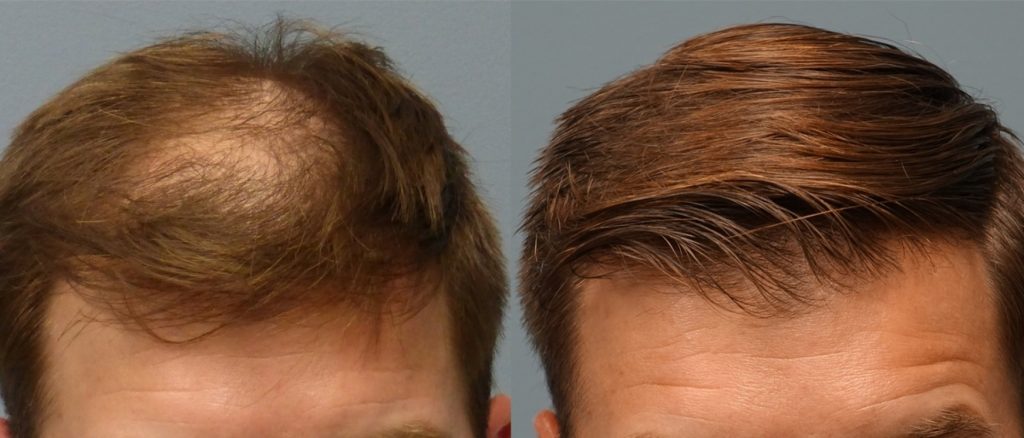
How to Cover Thinning Areas with FUE Hair Transplantation in Karşıyaka?
Karşıyaka, not just a district of İzmir, but a place with its own unique lifestyle, stance, and aesthetic perception, has a unique atmosphere ranging from the sunsets on the Bostanlı coast to the modern living spaces of Mavişehir, from the historical texture of the Bazaar to the sense of belonging created by the Karşıyaka Sports Club. For the people of Karşıyaka, “looking good” and “being well-groomed” are an indispensable part of social life. In this conscious demographic structure, many individuals experiencing hair loss want to take precautions before reaching the stage of total alopecia. Many people seek aesthetic solutions with the complaint, “My hair hasn’t completely fallen out, but it’s not as thick as it used to be, and my scalp is showing.” At this point, the FUE (Follicular Unit Extraction) technique, the flagship of modern hair transplantation technologies, offers a powerful solution not only for covering bald areas but also for filling in gaps and adding volume (densification) to existing hair. However, transplantation to sparse areas requires much more precise planning and technical skill than transplantation to an empty area.
Having sparse hair is an aesthetic concern, especially noticeable when the famous Imbat wind of Karşıyaka blows or under the strong Aegean sun. When light hits the scalp, the hair appears less visible than it is. The main goal in the densification procedure performed with the FUE technique is to prevent light from reaching the scalp by placing new roots (grafts) in the gaps without damaging the existing hair follicles. This is similar to planting new saplings in a forest without cutting down existing trees and requires a high degree of micro-surgical precision.
Technical Challenge: The Art of Preserving Existing Roots
Densification transplantation is much more difficult than transplantation to an empty area. Because the surgeon has to work in a millimeter-sized area when opening the channels. If carelessness is involved in opening the channels, the blood vessels of the healthy hair follicle next to it can be cut or the root can be damaged. This increases the risk of “Traumatic Hair Loss” or “Shock Loss”.
The Importance of Sapphire FUE:In clinics in Karşıyaka, instead of standard steel tips, tips made of sapphire, a precious metal, are preferred for hair thickening procedures. Sapphire tips are so sharp and smooth that the channels they open are microscopic. This feature allows the surgeon to enter between two existing hair strands without damaging others. In addition, since sapphire tips minimize tissue trauma, they also minimize the risk of existing hairs becoming fragile (transsection rate).
Karşıyaka Wind and Density Planning
Living in Karşıyaka means being at peace with the wind. However, wind is the biggest enemy for people with thinning hair because it blows the hair back, revealing the bald patches. In hair thickening planning, density should be given not only to the crown area but also to the “transition zone” just behind the frontal hairline.
In hair transplantation, density is usually measured by the number of grafts per cm². While normal hair has 80-100 grafts per cm², 40-50 grafts per cm² may be sufficient for aesthetic fullness. In the thickening procedure, the physician analyzes the distribution of existing hair and performs “strategic shading” to achieve this ratio.
Thickening Transplantation vs. Standard Transplantation: Differences Table
The following table shows the critical differences between transplantation in a completely bald area and transplantation in a thinning area.
| Parameter | Densification in Sparse Areas | Coverage in Full Openings |
|---|---|---|
| Channel Opening Accuracy | Very High (Preserving existing roots is essential). | Standard (Low risk in empty areas). |
| Tip Used | Sapphire Tip or DHI Pen (Preferred). | Sapphire or Metal Slit. |
| Shock Shedding Risk | Yes (Existing fine hairs may temporarily fall out). | None (Only transplanted hairs fall out). |
| Shaving Required | Shave-free or partial shaving is possible. | Complete shaving is usually required. |
| Healing Image | Existing hairs camouflage the scabs. | Scabbing is fully visible. |
Shave-free FUE Option: Uninterrupted Continuation of Social Life
Karşıyaka has a vibrant social life; A dinner or business meeting in Bostanlı might cause people to worry about their “recovery appearance” after surgery. In cases of sparse hair transplantation, the FUE technique can be applied “without shaving.”
In this method, only a small window is opened in the donor area (nape), and the hair follicles are collected through this opening. The hair in the recipient area is not cut. The surgeon opens channels by working through the long hair.and performs the transplant. Thanks to this, the person can comb and camouflage their hair a few days after the operation and return to their social life. No one will know you’ve had a hair transplant; they will only notice that your hair is getting thicker over time.
Shock Loss Management
The most important biological process that those who have undergone hair thickening should know is “Shock Loss.” In the first month after the operation, not only the transplanted hairs but also the existing weak hairs in the transplanted area may temporarily fall out due to trauma. This situation may lead the person to fear, “My hair has thinned even more.”
Patient Waiting:This shedding is temporary. The roots do not die; they only enter the resting phase (telogen). From the 3rd month onwards, both the transplanted hairs and your own hairs that have undergone shock loss will grow back much stronger and thicker. In the fast-paced social life of Karşıyaka, it’s possible to manage this process with hats or appropriate hairstyles.
Holistic Approach: Mesotherapy and Supportive Treatments
Thickening thinning hair doesn’t end with transplantation; it’s also necessary to improve the quality of existing hair. In clinics in Karşıyaka, PRP (Platelet Rich Plasma) or Hair Mesotherapy applications are added to the routine during or after FUE surgery.
- PRP Support: Growth factors obtained from the person’s own blood are injected into the transplanted area. This both increases the retention rate of the transplanted roots and thickens existing thin hair.
- Multivitamins: Post-operative Biotin and Zinc supplements support keratin synthesis, the building block of hair.
Healing Process and the Karşıyaka Sun
The first 15 days after the procedure are the hair follicle retention phase. During this period, there are things to be aware of when walking on the Karşıyaka coast or spending time outdoors:
- Sun Protection: Direct sunlight can leave marks on the healing tissue. A wide-brimmed, non-restrictive hat should be used.
- Wind and Dust: When going outside in windy weather, protection should be provided to prevent the newly transplanted area from being covered in dust.
- Moisturizing: The scabs should be regularly moisturized with the sprays given by the doctor and should not be allowed to dry out.
Result: A Natural and Voluminous Future
In conclusion, covering thinning areas with the FUE technique in Karşıyaka is not just a hair transplant, but a “hair restoration” procedure. Preserving existing hair while adding value to it requires a high level of planning skill.
Thinning hair is not your destiny. With the right technique (Sapphire FUE or DHI), the right planning, and patient process management, it is possible to have full hair that doesn’t reveal your scalp and flows freely in the wind. Join the energy of Karşıyaka with your thick and healthy hair.